Will Hair Loss From Diabetes Grow Back? This is a concern that many people face when dealing with diabetes and its various complications. Hair loss can be distressing, causing an emotional toll on those affected. In this article, we will explore the relationship between diabetes and hair loss, delve into the possible causes, and discuss potential treatments to encourage regrowth. Grab your favorite snack, and let’s unravel this hair-raising mystery together!
Understanding Diabetes and Its Impact on Hair
Diabetes is a chronic health condition that occurs when the body either cannot produce enough insulin or cannot effectively use the insulin it produces. This inability to manage blood sugar levels can lead to a variety of health complications, including issues related to hair health.
How Diabetes Influences Hair Health
Blood Sugar Fluctuations
When blood sugar levels rise and fall unpredictably, it can disrupt the natural cycle of hair growth. High glucose levels can hinder blood circulation, which is essential for delivering nutrients to the hair follicles. Poor circulation means less nourishment for your precious locks, leading to hair thinning or loss.
Hormonal Changes
With diabetes, hormonal imbalances may occur, further exacerbating hair loss. Insulin resistance can lead to elevated levels of androgens, which are male hormones found in both men and women. Increased androgen levels can contribute to female pattern hair loss, a common issue among women with diabetes.
Other Contributing Factors
- Stress: Living with diabetes can be stressful, leading to hair loss conditions such as telogen effluvium. This condition occurs when a significant life change causes hair follicles to enter the resting phase, leading to increased shedding.
- Nutritional Deficiencies: Individuals with diabetes may struggle to absorb essential nutrients effectively. Deficiencies in vitamins and minerals like vitamin D, zinc, and iron can compromise hair follicle health and promote hair loss.
Will Hair Loss From Diabetes Grow Back?
The big question is, will hair loss from diabetes grow back? The answer generally leans towards yes, but several factors influence the hair regrowth process. Let’s break this down!
Individual Factors Influencing Regrowth
Duration of Hair Loss
If hair loss occurs as a result of uncontrolled diabetes, and blood sugar levels are managed effectively, there’s a good chance that hair regrowth will be possible. Temporary hair loss caused by stress or shock may result in follicles resuming normal function once the stressor is removed.
Severity of Hair Loss
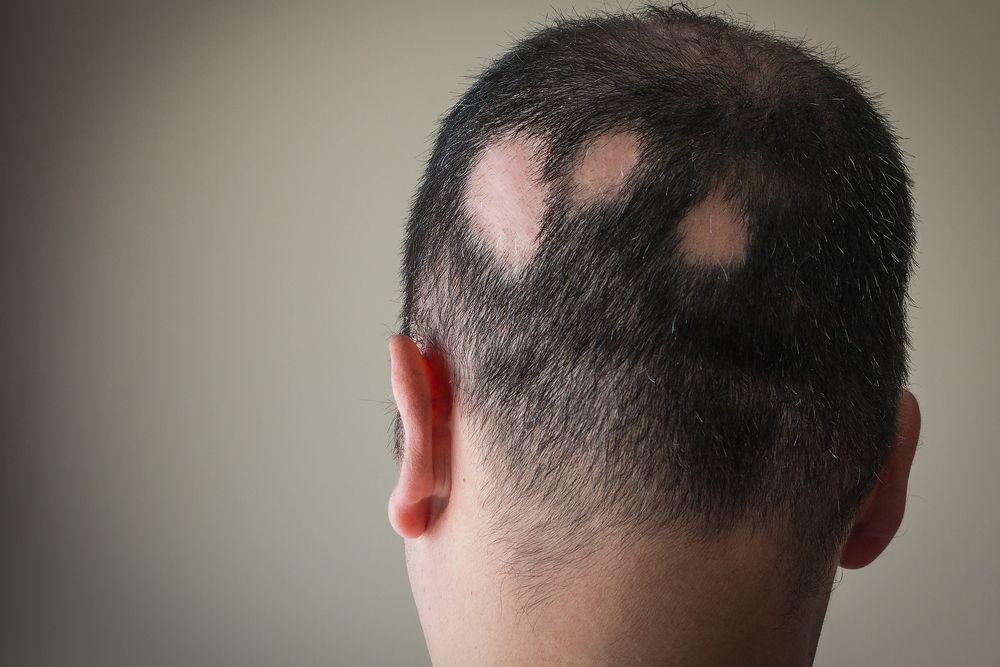
The extent of hair loss plays a crucial role. Patches of baldness may be more likely to recover than extensive thinning. Consulting with a professional can provide clarity and help in determining the best route to take.
Effective Treatment Options for Hair Regrowth
Blood Sugar Management
Successful management of blood sugar levels can significantly improve the chances of hair regrowth. Regular exercise, a low-carb diet, and medication as prescribed by a healthcare provider are essential components of diabetes management. Keeping blood sugars in check can rejuvenate hair follicles and promote new growth.
Topical Treatments
- Minoxidil: This FDA-approved treatment is commonly recommended for hair loss. While research specifically on diabetics is minimal, it may still promote circulation to the scalp and stimulate hair regrowth.
Nutritional Supplements
Taking dietary supplements designed for hair health can sometimes yield positive results. Look for supplements containing:
- Biotin
- Silica
- Omega-3 fatty acids
These nutrients can support scalp health and may aid in regrowth.
Lifestyle Modifications for Healthy Hair
Incorporating healthy practices into your daily routine can support hair regrowth and overall well-being.
Stress Management Techniques
Engaging in relaxation techniques, such as yoga or meditation, can mitigate stress. Happy hormones mean happy hair!
Proper Hair Care Regimen
Stick to a gentle hair care routine that minimizes damage. Avoid excessive heat styling, harsh chemicals, and tight hairstyles. Low manipulation styles can aid their health and promote growth.
Conclusion
To wrap things up, understanding hair loss in the context of diabetes is crucial in addressing the concern: Will hair loss from diabetes grow back? With appropriate management of diabetes, including blood sugar control, and the implementation of effective treatments and lifestyle changes, it is certainly possible for hair to grow back.
For those passionate about their hair health, there are many avenues to explore. Remember that patience is key, as hair regrowth can take time. Regular follow-ups with healthcare professionals will also ensure that you’re on the right track toward healthier hair and overall well-being.
For further reading on the effects of diabetes on hair health, check out these resources from reputable sources: American Diabetes Association and National Institutes of Health.
Embrace your hair journey with love and confidence! 🌸