Can Fibroids Cause Hair Loss? It’s a question that many women ask, especially those who experience the debilitating symptoms that come hand in hand with fibroids. Hormonal imbalances, fatigue, and yes, even hair loss can all be side effects of these pesky growths. This article dives into the relationship between fibroids and hair loss, providing valuable insight for those wanting to understand their bodies better. If you’ve ever found yourself longing for luscious locks while grappling with fibroids, this one’s for you!
Understanding Fibroids
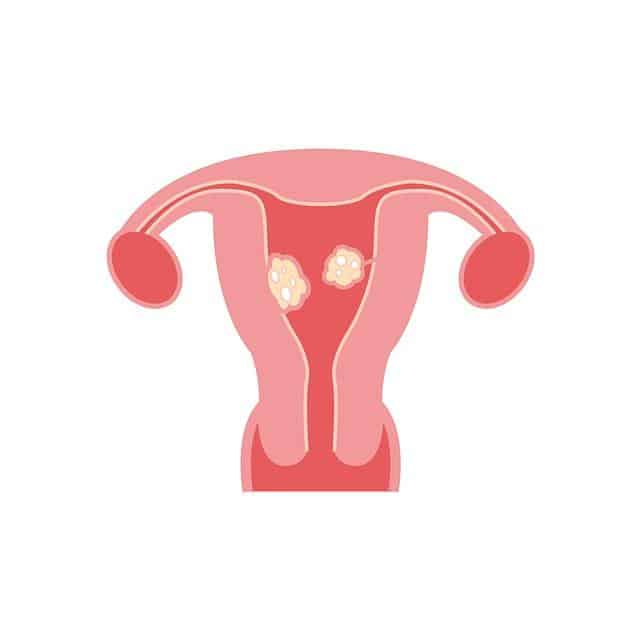
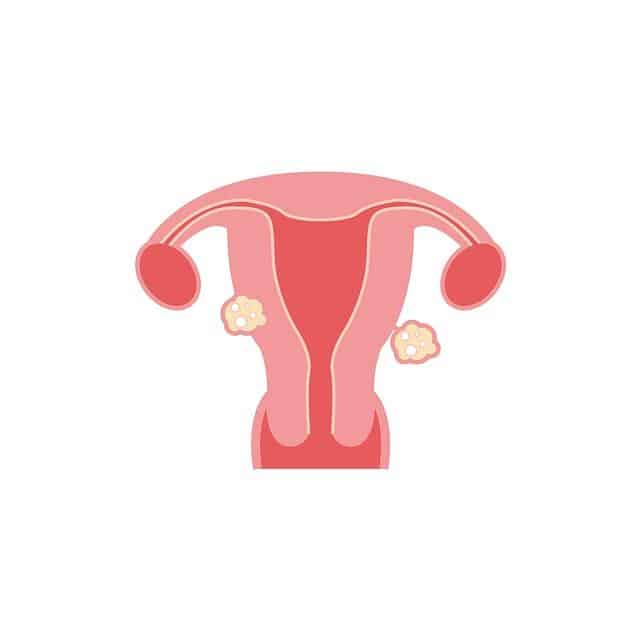
Fibroids, also known as uterine leiomyomas, are non-cancerous tumors that grow on or in the walls of the uterus. These little growths can vary in size, from tiny seeds to as large as a grapefruit, and they can wreak havoc on women’s health. But what exactly causes fibroids? While the exact reasons are still somewhat of a mystery, researchers believe that hormones, primarily estrogen and progesterone, play a significant role.
Types and Symptoms of Fibroids
Fibroids come in various types, each producing different symptoms. Here’s a quick breakdown of the types:
| Type | Description |
| Intramural | Located in the uterine wall. |
| Subserosal | Grow on the outer surface of the uterus. |
| Submucosal | Extend into the uterine cavity. |
| Pedunculated | Attached to the uterus by a stalk. |
Symptoms can range from heavy menstrual bleeding and pelvic pain to bloating and even pressure on the bladder. It’s the hormonal chaos created by these fibroids that leads us to a more surprising symptom: hair loss.
The Link Between Hormones and Hair Loss
So, can fibroids cause hair loss? The answer lies within the hormonal disturbances they create. Women with fibroids often experience significant hormonal fluctuations. When estrogen levels soar, it can lead to thinning hair or increased shedding. This is due to the fact that hair growth is highly dependent on hormones, particularly estrogen.
Estrogen and its Role
Estrogen helps promote hair growth by prolonging the growth phase in the hair cycle. Lower levels of this hormone, perhaps due to irregular menstrual cycles or fibroids themselves, can lead to a shorter hair growth cycle.
- Androgen hormones, which can be elevated in women with fibroids, are another culprit. These hormones can shrink hair follicles, resulting in hair loss. Suddenly, that fabulous crown of hair you had could start to feel a little sparse.
Stress and Its Unwanted Effects
Let’s not forget about stress! Yes, fibroids can be a major source of physical and emotional stress. Stress is a well-known factor that can exacerbate hair loss. When life gets overwhelming, your body produces higher levels of cortisol, the stress hormone, which can lead to telogen effluvium – a form of temporary hair loss.
Tips to Combat Stress-Induced Hair Loss
- Mindfulness and Meditation: These practices can help in maintaining mental peace and reducing stress levels.
- Regular Exercise: Find an activity you love, whether it’s dancing, swimming, or yoga. Exercise releases endorphins that can boost mood and combat stress.
- Eating Right: Nutrient-rich foods support overall health, including hair health. Think avocados, salmon, and nuts.
Nutritional Deficiencies and Hair Loss
Chances are those with fibroids might have some nutritional deficiencies. Heavy menstrual bleeding can lead to iron deficiency, which often causes hair to become brittle and fall out.
Key Nutrients for Hair Health
Here’s a quick list of nutrients that can help maintain your fabulous mane:
| Nutrient | Benefits | Sources |
| Iron | Supports oxygen delivery to hair follicles. | Red meat, spinach, lentils |
| Vitamin D | Promotes hair follicle cycling. | Sun exposure, fatty fish, fortified foods |
| Biotin | Strengthens hair and promotes growth. | Nuts, whole grains, eggs |
| Zinc | Supports hair tissue growth and repair. | Beans, nuts, whole grains |
Are you feeling motivated to check your pantry? Incorporating these nutrients might help fortify those hair strands!
Treatment Options for Fibroids
The question of “Can fibroids cause hair loss?” leads us down the path of treatment options. Discovering the right way to manage fibroids can also mitigate hair loss.
Medical Treatments for Fibroids
Understanding how to treat fibroids means taking a close look at your options:
- Medications: Hormonal treatments can help reduce the size of fibroids and alleviate symptoms. This might include hormonal contraceptives or medications that block estrogen.
- Surgery: In severe cases, a myomectomy (removal of fibroids) or hysterectomy (removal of the uterus) might be considered, especially if fibroids are causing significant distress.
Natural Remedies
For those who prefer a more holistic approach:
- Herbal Supplements: Herbal remedies like milk thistle or green tea extract may help balance hormones.
- Acupuncture: Some women find relief through acupuncture, which can also improve circulation to the scalp.
Lifestyle Changes
Adopting a healthy lifestyle is key! Here are simple tips that can make a huge difference:
- Stay Hydrated: Water is essential for overall health and can keep your hair hydrated too!
- Limit Alcohol and Caffeine: These can worsen hormonal imbalances.
- Get Regular Check-ups: Keeping track of your health with regular visits to your healthcare provider can lead to better management of both fibroids and hair health.
Conclusion
To wrap things up, the inquiry “Can fibroids cause hair loss?” opens up a world of understanding regarding our bodies and health. The connection between fibroids and hair loss is rooted in hormonal changes and stress, emphasizing the importance of a balanced approach to wellness. If fibroids are impacting your life, pursue treatments that resonate with you and prioritize self-care. Remember, your vibrant personality and laughter are just as important as your hair – so take care of yourself, shine bright, and embrace every fabulous strand! For more information, check reputable sources like Mayo Clinic or Cleveland Clinic.