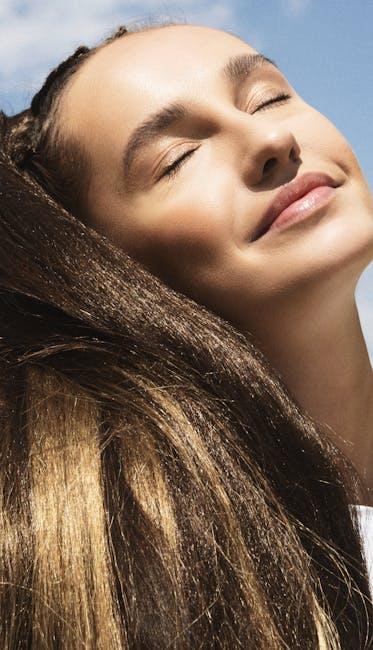
What Hair Color Is Dominant? It’s a question that tickles the curiosity of many, especially those with a penchant for experimenting with hair dye, or perhaps just trying to figure out their genetics! Hair color is a fascinating trait influenced by various factors, with genetics being the star of the show. This article dives into the world of hair color dominance, shedding light on which colors take the crown, their genetic underpinnings, and even a fun splash of styling tips.
Understanding Hair Color Genetics
To truly grasp the concept of hair color dominance, it’s essential to understand the role of genetics. Your hair color is influenced by multiple genes, with two main types: eumelanin (responsible for dark hues like black and brown) and pheomelanin (responsible for lighter shades like blonde and red).
- Dominant Genes: Generally, darker hair colors are deemed dominant over lighter shades. This means if you have one dominant allele for dark hair (let’s say from one parent) and one recessive allele for blonde hair (from the other), guess what? The dominant dark hair trait wins! This leads to a strikingly beautiful cascade of chestnut or raven locks, depending on how the genes mix.
The fascinating aspect of this genetic cocktail means that siblings can emerge with wildly different hues! You might be rocking a fabulous golden blonde hair color while your sibling sports luscious chocolate tresses.
Common Hair Colors and Their Dominance
Let’s take a closer look at the hair colors most often seen around the world and rank them in terms of their dominance.
| Hair Color | Dominance Level |
|---|---|
| Black | Most Dominant |
| Brown | Dominant |
| Chestnut | Intermediate |
| Blonde | Recessive |
| Red | Least Dominant |
Black Hair: The Ultimate Dominator
Black hair is the ultimate champion when it comes to dominance. Not only is it the most common hair color globally, but it also tends to be favored genetically. Eumelanin is what gives black hair its striking depth and shine. So, when it comes to mixing genetic varieties, black hair frequently prevails.
- Cultural Significance: In many cultures, black hair is often associated with beauty and sophistication. Whether you’re enhancing your natural color or opting for a temporary black dye, it’s a versatile choice that plays well with almost any skin tone.
Brown Hair: A Close Second
Following black hair is brown, which is also quite the crowd-pleaser! Brown hair comes in various shades, from rich chocolate to light caramel, making it a favorite among many. While it’s still dominantly expressed, it can sometimes reveal gorgeous highlights depending on its interaction with surrounding genes.
- Low Maintenance: Brown hair can be a low-maintenance option if hair dye upkeep isn’t your thing. Plus, the warmth of brown shades can radiate a natural glow that’s simply enchanting!
Chestnut Hair: The Fun Middle Ground
Chestnut hair is like that perfect Java latte – warm, rich, and just delightful! It sits delicately between brown and blonde. Influenced by both eumelanin and pheomelanin, it’s somewhat less common than its darker counterparts but still widely loved.
- Versatile for Styling: Oh, the possibilities! Chestnut hues can add depth and dimension, creating the perfect canvas for balayage or ombre.
Blonde and Red Hair: The Recession League
Now we come to the lighter shades! Blonde, while dreamy and sun-kissed, is generally recessive. That means for someone to strut around with stunning blonde hair, both parents need to carry a blonde gene, which is rarer depending on their own hair color.
- Style Options: Blonde hair can be an absolute delight and often photographed as breathtakingly beautiful! From ice blonde to strawberry blonde, the range is expansive.
As for red hair, it’s like a unicorn in the world of hair color – rare and fabulous! It’s caused by a mutation in a gene associated with the production of pheomelanin.
Impacts of Environment and Lifestyle
While genetics plays a major role in determining what hair color is dominant, let’s not forget the various external factors that influence hair color.
- Sun Exposure: Prolonged sun exposure can lighten hair, even in darker shades. Ever wondered how those stunning highlights come to be? A day at the beach can give your hair a natural lift.
- Chemical Treatments: Frequent dyeing can alter your hair’s natural shade. Those gorgeous pastel colors you see nowadays are a testament to creativity! Yet, the more you treat your hair, the more the original hair color can be masked.
- Age: As fabulous as we all are, age plays a role, too! With time, the melanin production slows down, leading to those stunning silver strands everyone admires.
Conclusion: Embracing Your Dominant Color
Understanding what hair color is dominant offers more than just insight into family trees or genetic discussions. It’s about celebrating the beautiful varieties we see in each other, from stunning black to rare red. Each color tells a story, and whether you are embracing your natural shade or experimenting with vibrant dyes, owning your hue is the ultimate goal.
So, when you gaze into the mirror and ask yourself, “What hair color is dominant?” remember, it’s all about what makes you feel fabulous! Always celebrate your uniqueness and the colors that make your heart sing. Happy hair coloring, and may your color never fade!
For further reading on hair color genetics, you can check these fantastic resources: Hair Color Genetics and Understanding Hair Color Variation.