Will Hair Loss From Anesthesia Grow Back? This is a question that many individuals find themselves asking after experiencing surgery and its associated side effects. Anesthesia is essential for many medical procedures, but one of its less discussed side effects can be hair loss. In this article, we will delve into the relationship between anesthesia and hair loss, exploring different types of hair loss, recovery expectations, and tips for promotion of hair regrowth post-anesthesia. So grab your favorite cozy blanket, and let’s spill the tea on this not-so-glamorous topic!
Understanding Hair Loss Associated with Anesthesia
When we talk about hair loss from anesthesia, it’s essential to know that not all hair loss is the same. Generally, anesthesia-induced hair loss can stem from two primary conditions: telogen effluvium and anagen effluvium.
Telogen Effluvium
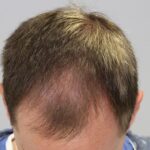
Telogen effluvium is the most common form of hair loss following stressful situations, such as major surgery or a significant life event. During this condition, hair follicles will prematurely enter the resting phase, leading to noticeable shedding. Key factors about telogen effluvium include:
- Delayed onset: Often, hair loss appears 3 to 6 months after the triggering event. So, if you’re feeling fab and post-op, the hair loss may sneak up on you!
- Temporary: It’s typically a temporary condition. Most people experience regrowth once the body stabilizes and reduces stress levels.
Anagen Effluvium
Anagen effluvium tends to be a more severe form of hair loss, often associated with chemotherapy and certain medications, including some anesthetics. It leads to widespread thinning and shedding, as hair follicles are disrupted during the growth phase.
- Sudden onset: Hair may start falling out while your body is still recovering in the hospital. It’s like those unexpected pop quiz moments when you weren’t even studying!
- Possibly permanent: Anagen effluvium hair loss is less common, and while it can be severe, it is often reversible once the underlying cause is mitigated.
Will Hair Loss From Anesthesia Grow Back?
Ah, the moment of truth: Will hair loss from anesthesia grow back? The good news? Yes, most individuals can expect their hair to grow back over time, especially with the right care and patience.
The Hair Growth Cycle
To understand the regrowth process after hair loss from anesthesia, it’s helpful to know a bit about the hair growth cycle:
- Anagen phase: This is the active growth phase, lasting several years. Hair is thriving and growing!
- Catagen phase: This transitional phase lasts a few weeks when hair stops growing and prepares to shed. Think of it as the hair’s brief mid-life crisis!
- Telogen phase: The resting phase can last for months until the hair eventually sheds, making way for new growth.
When hair loss occurs, it can take a while for the cycling process to reset, especially after trauma from anesthesia. While a significant length of time may pass between shedding and regrowth, many people are reassured to know their luscious locks can be recaptured.
Timing and Expectations for Hair Regrowth
Understanding the timing of hair regrowth post-anesthesia is fundamental. After undergoing surgery, here’s the typical timeline you can expect for hair regrowth:
| Timeframe Post-Op | Hair Loss Stage | Expected Outcome |
|---|---|---|
| 0-3 Months | Hair Shedding | Initial hair loss may begin within this timeframe, especially if experiencing telogen effluvium. |
| 3-6 Months | Visible Thinning | Max shedding period; be gentle with your hair—this is when you might feel it the most! |
| 6-12 Months | Initial Regrowth | New hair begins to sprout! It’s often fine and soft, but it’s a sign of good things to come. |
| 12+ Months | Return to Normalcy | With time and care, your hair may return to pre-surgery thickness and health. |
Promoting Hair Regrowth After Anesthesia
Once you’ve made it through the initial phases of hair loss, you’re probably wondering how to speed up this regrowth process. Luckily, there are several delightful ways to nurture your hair back to health!
Healthy Diet and Hydration
Ensuring you have a nutrient-rich diet is essential for supporting hair growth. Foods high in vitamins like A, C, D, and E; zinc; and omega-3 fatty acids can boost your hair health. Here’s a fabulous list to consider:
- Leafy greens: Think kale and spinach! These leafy delights are fabulous for hair health.
- Fish: Salmon and mackerel, oh my! Rich in omega-3s, which nourish the scalp.
- Nuts: Walnuts and almonds provide both healthy fats and essential vitamins.
Hydration, darling! Drink plenty of water to keep your scalp healthy and to promote overall bodily functions.
Gentle Hair Care
Avoid harsh styling products and super-tight hairstyles while your hair is in recovery mode. Instead, pamper those strands with gentle products, and employ low-manipulation styles.
- Avoid heat: Stay away from hair dryers, flat irons, and curling wands!
- Gentle shampoo: Opt for sulfate-free, conditioning shampoos that nourish your scalp without stripping natural oils.
Seeking Professional Guidance
If you’re feeling particularly concerned about hair loss from anesthesia, consulting with a healthcare provider or dermatologist can help tailor a plan specific to your situation. They could potentially recommend:
- Topical treatments: Products that contain minoxidil can stimulate hair regrowth, but always best to consult a pro first!
- Supplements: Biotin and other hair health supplements may be beneficial for some individuals.
Conclusion
hair loss from anesthesia is mostly a temporary phase that many individuals experience post-surgery. As long as you provide proper care and patience through your hair regrowth journey, most people will find their hair returning to its former glory. With the right nutrition, gentle care, and professional advice, you can embrace your journey towards vibrant, luscious locks again!
Remember, while undergoing this albeit challenging phase might feel like an unexpected surprise, your hair is likely to bounce back better than ever! Rest easy and let your beautiful self shine through. 💖
For more information on how to care for your hair post-anesthesia, check out Healthline and WebMD for credible insights. Cheers to fabulous hair days ahead!