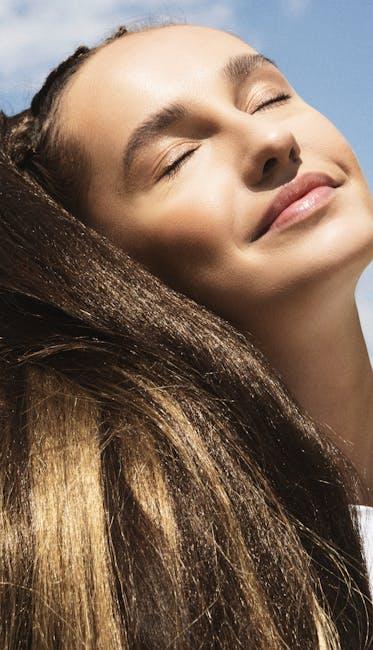
Does Hair Dye Cause Hair Thinning? It’s a question that’s been buzzing around like a bee at a garden party. Hair dyeing has become such an integral part of our beauty routines, allowing us to express our creativity and personality. However, the concern many lovely ladies have is whether our precious locks suffer any long-term consequences from our fab color choices. Let’s dive into the intricacies of hair dye and its relationship with hair thinning.
Understanding Hair Structure and Health
Our hair, oh glorious hair! Understanding its structure is crucial when discussing the effects of hair dye. The hair shaft, which is what we see, is made up of layers: the cuticle, cortex, and medulla. The cuticle is the protective outer layer, while the cortex contains the pigment and is responsible for hair strength. When we dye our hair, chemical processes can alter these layers.
The Impact of Hair Dye on Hair Health
When considering does hair dye cause hair thinning?, it’s important to take into account the different types of dyes. There are semi-permanent, permanent, and temporary dyes, each with varying levels of chemicals.
- Temporary Dyes: These are generally less damaging since they coat the hair without permeating it. Ideal for a fun pop of color!
- Semi-Permanent Dyes: These can last longer than temporary options but still don’t penetrate the hair shaft deeply.
- Permanent Dyes: These often contain harsh chemicals like ammonia and peroxide, which can lift the hair cuticle and penetrate the cortex. This can lead to potential damage.
When applied recklessly or too frequently, permanent hair dyes may indeed lead to hair thinning due to damage, breakage, or over-processing.
Common Ingredients in Hair Dye That Affect Hair Health
It’s essential to know what ingredients lurk in your hair dye. Here are some common hair dye ingredients that can influence hair health:
- Ammonia: Used to open the hair cuticle for color penetration. However, it can lead to dryness and damage.
- Hydrogen Peroxide: Lifts the hair’s natural color; overuse can weaken the hair structure.
- PPD (para-phenylenediamine): A common allergen that can cause scalp irritation.
- Alcohols: Some formulations include alcohols that can dry out the hair.
A little hair science goes a long way! You must read labels carefully to avoid products that could make your hair cry instead of shine.
The Role of Scalp Health in Hair Thinning
Ah, the scalp, our hair’s comfy cozy home! A healthy scalp is vital for robust hair growth. When we dye our hair, chemicals can irritate or damage the scalp, which can lead to issues like dermatitis or allergic reactions. Such conditions can impede hair growth, leading to the question: does hair dye cause hair thinning?
Maintaining Scalp Health During Hair Dyeing
Here are some tips to keep your scalp happy and healthy while sprucing up that hair color:
- Patch Testing: Always conduct a patch test before applying new dyes to identify potential allergies.
- Moisturize: Keep your scalp hydrated as dyeing can lead to dryness.
- Gentle Cleansing: Use a mild shampoo before and after dyeing, and consider deep conditioning treatments.
Challenges with Alopecia and Hair Dye
For individuals suffering from conditions like alopecia areata, hair dye applications can be particularly tricky. Changes in hair density are due to immune system activity and not directly from coloring. However, if you have sensitive or thinning hair from such conditions, it’s best to consult a professional before making any changes.
Genetics and Hormonal Influences on Hair Thinning
While the conversation often centers on hair dye, we must remember that genetics and hormones predominantly influence hair thinning.
Understanding Genetic Hair Thinning
Genetic hair thinning, also known as androgenetic alopecia, affects both men and women. The earlier onset and severity will depend mainly on one’s genetic predisposition. Adversely, hair dyeing may amplify the problem if the hair is already weakened by underlying genetic factors.
Hormonal Changes and Hair Thinning
Hormones can play a crucial role in hair health and thinning. Factors like pregnancy, menopause, or hormonal imbalances can cause changes in hair density. For women, these fluctuations can often coincide with periods of dying hair leading them to wonder, does hair dye cause hair thinning? The answer is, while hair dye may not directly cause thinning, it can exacerbate pre-existing conditions.
Hair Care Tips Post-Dyeing to Prevent Thinning
Now that we’ve dug deep into the relationship between hair dye and thinning, let’s discuss how you can pamper your locks after that vibrant color treatment.
Choosing the Right Hair Care Products
Opt for shampoos and conditioners formulated for color-treated hair. Look for products free of sulfates and harsh chemicals that can strip your locks of moisture.
Implementing Repair Treatments
Incorporate protein treatments into your weekly routine to strengthen and repair damaged strands. Look for masks that specifically cater to color-treated hair, helping retain moisture while repairing from within.
| Hair Treatment Options | Benefits |
|———————————-|——————————————–|
| Keratin Treatments | Strengthens hair and reduces frizz |
| Moisturizing Masks | Adds hydration and gloss |
| Cool Water Rinses | Helps seal the hair cuticle post-wash |
Regular Trims for Healthier Hair
Nothing screams healthy hair like a fresh trim. Regular trims help alleviate split ends and broken strands, contributing to a fuller appearance.
Consulting a Professional Hair Colorist
At the end of the day, seeking advice from a professional colorist is a fabulous way to balance a wish for vibrant hair while minimizing damage. A skilled colorist can help identify the best techniques or formulations that suit hair types, ensuring they maximize beauty while prioritizing health.
The Professional Touch
- Color Correction Techniques: Experts can offer alternative methods that don’t involve harsh chemicals.
- Sustainable Dyes: Many salons now offer organic or vegan dyes that are less damaging.
When it comes to the ultimate answer to does hair dye cause hair thinning?, the truth is layered, just like our hair! While direct causation isn’t concrete, the relationship between the two factors can certainly influence the overall health of our lovely manes.
Conclusion
To wrap up this hair-raising discussion, hair dye can impact your hair’s health, but it’s not the sole culprit when it comes to thinning hair. Factors like genetics, hormonal changes, and scalp health also play a tremendous role. If you love dyeing your hair as much as many of us do, dive into diligent aftercare to maintain that luscious look! Always listen to your hair and consult professionals when in doubt. After all, fabulous hair is always in style, and a little love goes a long way.