
When it comes to glowing skin, exfoliation is like that secret ingredient that takes your skincare routine from blah to fabulous. Knowing when to exfoliate in skin care routine can be a game changer, darling! It helps to slough off dead skin cells, promote cell turnover, and reveal that radiant complexion we all crave. So, let’s dive into the sparkling world of exfoliation and unearth the treasures waiting for your skin!
Understanding Exfoliation
Before we delve into when to exfoliate in skin care routine, let’s get our terms straight! Exfoliation can be physical (using scrubs or brushes) or chemical (using acids and enzymes). Each method has its own set of benefits and can fit into different skincare rituals, depending on your skin type and concern. Understanding your skin is key!
Benefits of Exfoliation
Let’s chat about why exfoliating is so fab for our skin:
- Removes Dead Skin Cells: Exfoliation clears away those pesky dead skin cells that can make your complexion look dull.
- Unclogs Pores: Bye-bye, blackheads! Regular exfoliation helps keep pores clear and can minimize breakouts.
- Promotes Cell Turnover: This helps your skin stay youthful and vibrant, which is totally what we want, right?
- Enhances Product Absorption: When you exfoliate, your other skincare products can penetrate better and work more effectively.
Different Types of Exfoliation
Now that we’re all clear on why we exfoliate, let’s talk about the types. Knowing when to exfoliate in skin care routine often depends on which exfoliation method you’re using.
Physical Exfoliation
This involves using scrubs or brushes that manually scrub away dead skin. You’ll want to look for:
- Gentle Scrubs: Avoid harsh particles like walnut shells that can irritate your gorgeous skin.
- Tools: Brushes or sponges can be great for a more thorough exfoliation.
Pro Tip: Limit physical exfoliation to 1-2 times a week to avoid irritating your skin.
Chemical Exfoliation
Here’s where the magic happens! Chemical exfoliants use acids or enzymes to dissolve dead skin cells. Popular options include:
- Alpha Hydroxy Acids (AHAs): Great for dry or sun-damaged skin. Think glycolic and lactic acids.
- Beta Hydroxy Acids (BHAs): Perfect for oily and acne-prone skin, like salicylic acid.
- Enzyme Exfoliants: These are typically gentler and derive from fruits like papaya and pineapple.
Pro Tip: You can use chemical exfoliants 2-3 times a week, but always follow your skin’s lead!
When to Exfoliate Based on Skin Type
Understanding your skin type is essential for determining when to exfoliate in skin care routine. Let’s break it down, lovely!
Oily Skin
If you have oily skin, exfoliating every 2-3 days can help control excess oil and keep those pesky breakouts at bay. Use BHA products to get deep into those pores.
Dry Skin
For dry skin beauties, exfoliating once a week is sufficient! Opt for gentle AHAs that don’t strip your skin of moisture. Hydration is key!
Combination Skin
If you’re rocking combination skin, exfoliate 1-2 times a week, alternating between AHA and BHA. Listen to your skin and adjust as necessary!
Sensitive Skin
Sensitive skin requires love! Try exfoliating once every 10-14 days with gentle enzyme exfoliants. Always patch test new products, darling!
Signs It’s Time to Exfoliate
Okay, starlet, here’s an important part: how do you know when to exfoliate in skin care routine? Look out for these signs:
- Dull Appearance: If your skin is looking a bit lackluster, it’s time for a little scrub-a-dub-dub!
- Uneven Texture: Bumpy skin can mean it’s time to exfoliate.
- Clogged Pores: Visible blackheads or enlarged pores are great indicators!
- Product Ineffectiveness: If your serums and moisturizers aren’t giving you that glow, it might be time to hit the exfoliation jackpot!
Seasonality and Exfoliation
The seasons can also play a role in determining when to exfoliate in skin care routine. Let’s break it down:
Spring and Summer
During warmer months, our skin may produce excess oil. It’s a fabulous time to incorporate chemical exfoliants! Exfoliate 2-3 times a week, and always remember that sunscreen (SPF, darling!) is a must after exfoliating.
Fall and Winter
As the weather cools, skin tends to lose moisture. Stick to gentle exfoliation once a week to avoid irritation. Make hydration your best friend!
How to Exfoliate Safely
We want glowing skin, not a red, irritated mess! Here’s how to exfoliate safely and effectively:
- Start Slow: If you’re new to exfoliating, start with once a week and work your way up!
- Follow Instructions: Always read the label, and follow how to use the products for optimal results.
- Moisturize After: Never skip your moisturizer post-exfoliation. It’s essential!
- SPF is a Must: Exfoliation can make your skin more sensitive to the sun. Always apply sunscreen afterward!
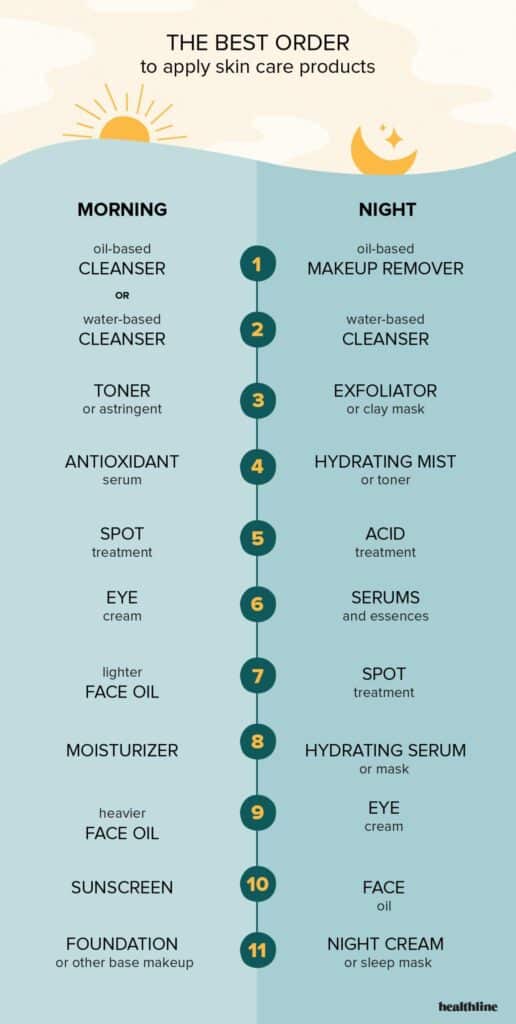
The Perfect Exfoliating Routine
Crafting a when to exfoliate in skin care routine is an art! Here’s a sample routine to keep your skin