When it comes to achieving that oh-so-glowy skin, one product that often gets the spotlight is retinol. You might wonder, “When to apply retinol in skin care routine?” and you’re not alone! This magical potion is celebrated for its anti-aging properties and skin renewal capabilities. Here, we’re spilling the tea on how to integrate retinol seamlessly into your skincare regimen, so you can flaunt that radiant skin in no time!
Understanding Retinol and Its Benefits
Retinol is a derivative of vitamin A and is a favorite in the beauty world for its numerous benefits. It’s hailed for fighting fine lines, wrinkles, and overall texture while promoting that fresh-faced look. Let’s break down why it’s essential for your skincare routine and when to apply retinol in skin care routine for maximum effectiveness.
The Science Behind Retinol
What makes retinol such a miracle worker? It works by increasing cell turnover and stimulating collagen production, which helps maintain skin elasticity. This power-packed ingredient also diminishes the appearance of pores and helps with acne-prone skin.
The American Academy of Dermatology emphasizes the significance of starting retinol early, as it can be an effective preventative measure against aging. For more insights, you can check out this enlightening article on retinoids and their amazing benefits.
When to Incorporate Retinol
Alright, let’s dig deeper into those juicy details of when to apply retinol in skin care routine. The golden rule? Always apply retinol in the evening. Here’s why:
- Increased Sensitivity to Sunlight: Retinol can make your skin sensitive to sunlight. By applying it at night, you minimize the risk of irritation and sun exposure.
- Better Absorption: Your skin repairs itself while you sleep, which means applying retinol during nighttime allows for better absorption and efficacy.
How to Start Using Retinol
Starting your journey with retinol isn’t about jumping in headfirst. It’s essential to gradually incorporate it into your routine to allow your skin to adjust.
Week 1 – Begin with a Small Amount
Start by using a pea-sized amount two to three times a week. This will help your skin acclimatize without the dreaded purging phase that can occur when using retinol.
Week 2 – Assess and Adjust
After a week, check in with your skin. Is it feeling okay? If yes, increase your usage gradually. You can move to every other night or just a few more times a week.
Week 3 and Beyond – Consistency is Key
At this stage, you can begin using retinol every night, provided your skin doesn’t show signs of excess irritation. Remember, consistency is your friend when it comes to seeing results.
Layering Your Skincare Routine with Retinol
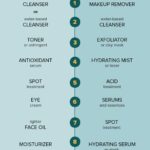
Understanding when to apply retinol in skin care routine also involves knowing how to layer it properly with your other skincare products. Here’s a quick guide on how you should layer your products for maximum benefits.
- Cleanser: Start with a gentle cleanser to remove makeup and impurities.
- Toner: If you use a toner, apply it after cleansing to balance your skin’s pH.
- Serum: Use any serums you have before your retinol. Allow them to absorb before applying retinol.
- Retinol: Apply your pea-sized amount of retinol. Apply it gently to avoid irritating sensitive areas.
- Moisturizer: Seal in that goodness with a nourishing moisturizer to keep your skin hydrated.
- Sunscreen: (Morning Routine Only) Don’t forget to apply a broad-spectrum sunscreen during the day. This step is especially crucial after using retinol.
Common Myths about Retinol
Let’s address some common myths concerning retinol and clear the air:
Myth 1: It is Only for Older Skin
Absolutely wrong! While retinol is fantastic for mature skin, younger folks can benefit too. Starting early can provide preventative benefits against fine lines and improve skin texture.
Myth 2: More is Better
Using more retinol won’t yield faster results. It can lead to irritation and peeling. Honestly, moderation is vital – a little goes a long way!
Myth 3: I Can’t Use Retinol with Other Products
While some combos might not mix well (looking at you, AHA/BHA!), many products can be layered with retinol. Just observe how your skin reacts.
Retinol and Skin Reactions
It’s essential to recognize that when you first start using retinol, your skin might go through some adjustments. This phase can include redness, dryness, or peeling—commonly referred to as retinol “purging.”
How to Soothe Irritated Skin
If you find your skin isn’t loving the initial retinol love, there are ways to soothe it:
- Moisturize: Ensure you’re using a good moisturizer to keep your skin hydrated.
- Skip a Night: If irritation occurs, reduce how often you use retinol.
- Hydrating Serums: Incorporate serums with hyaluronic acid for added hydration.
Finding the Right Retinol Product
Choosing the right retinol can be daunting with various options available. Here’s what to consider:
Concentration Matters
Retinols come in different strengths. Beginners should start with a lower concentration (around 0.25%) and gradually move up as skin tolerance improves.
Texture Preferences
Depending on your skin type, choose a formulation that feels good on your skin—gels for oily skin and creams for dry skin.
Consultation is Key
It’s always best to consult with a dermatologist to determine the best retinol product tailored to your skin’s needs. You can also explore different options on reputable sites like Choosing the right retinol.
Conclusion and Final Thoughts
Determining when to apply retinol in skin care routine is just one part of the equation. Remember, the key is consistency, a gentle approach, and knowing your skin. With patience and the right practices, you’ll be on your way to unveiling a glowing complexion that will have everyone asking about your skincare secrets. So treat your skin with the love it deserves—retinol is waiting for you! ✨