What Does Oily Hair Look Like?
Oily hair can be a real struggle for many, leading to a quest for the perfect solutions and endless product trials. Understanding what oily hair looks like is the first step in tackling this common hair woe. Oily hair often presents a distinct appearance, making it less than appealing. It’s usually characterized by a shiny, greasy look, especially near the roots, and can feel weighed down and heavy. As we dive into the details about oily hair, we’ll explore the signs, causes, effective treatments, and preventative measures in an effortlessly fun and girly way!
Signs of Oily Hair
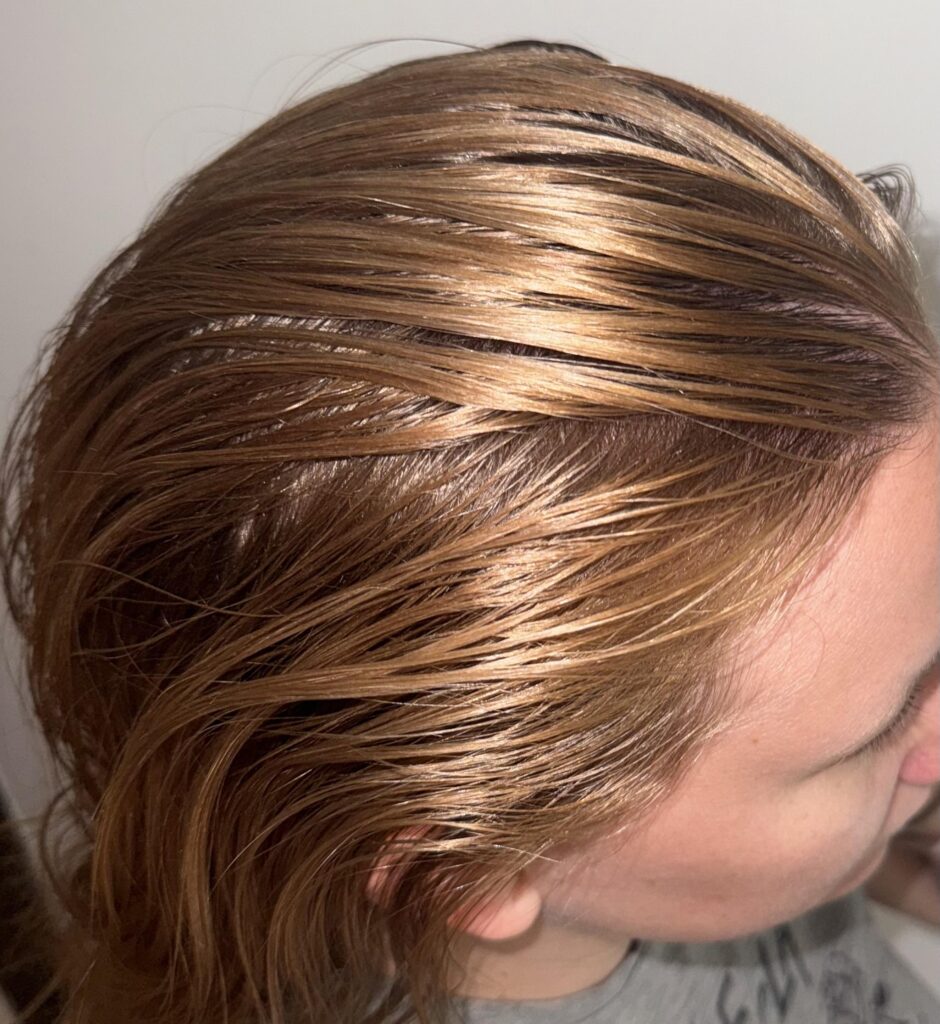
When trying to figure out what oily hair looks like, it’s super helpful to know the signs to watch for. Below is a quick visual guide that can help you identify oily hair:
| Characteristic | Description |
| Shine | Excessive shine, particularly at the roots |
| Grease | Feels greasy to the touch, especially after a short period post-wash |
| Flatness | Lacks volume and tends to lie flat against the scalp |
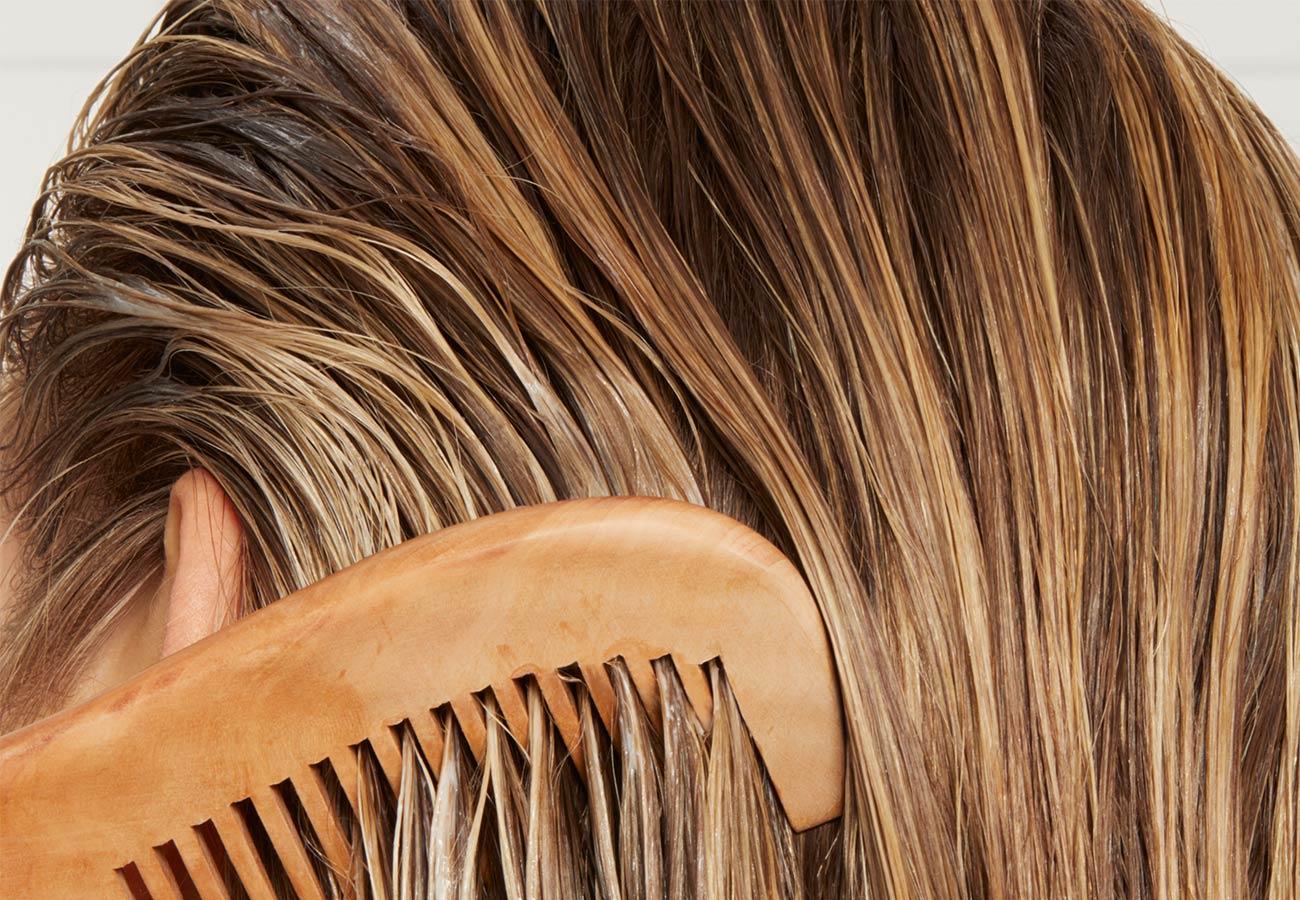
| Clumping | Strands may clump together due to excess oil |
| Odor | Can sometimes carry an unpleasant smell when greasy |
Oily hair often appears lifeless and flat, which can be a total drag when you’re trying to achieve that bouncy blowout vibe. If your hair seems like it could double as a frying pan, it’s time to pay attention!
Common Causes of Oily Hair
Understanding what oily hair looks like is just the tip of the iceberg. To truly tackle the problem, it’s essential to understand the root causes. Here are some culprits that might be causing that unwanted shine:
Hormonal Fluctuations
Hormonal changes can wreak havoc on your hair. Conditions such as puberty, menstruation, pregnancy, or menopause can lead to an overproduction of oil. It’s like your hair and hormones join forces to create a slick situation, and trust me, nobody wants that!
Genetics
If your mom or dad has oily hair, guess what? You might have inherited those oily locks! Genetic factors play a significant role in how much sebum (that’s the fancy term for the oil our scalp produces) your scalp produces. If you’re blessed with a family history of oily hair, don’t worry, you’re not alone, darling!
Hair Products
Sometimes, the beauty products intended to make your hair shine can backfire! Heavy conditioners, serums, and styling products can build up on your hair and scalp, contributing to that greasy look. Always choose products labeled as lightweight or oil-free!
Improper Washing
Washing your hair too frequently can cause your scalp to produce more oil in an attempt to compensate for the loss. On the flip side, washing too infrequently will allow oils to build up, creating that I-just-came-from-the-greasy-fry-station vibe. Finding that sweet spot is key!
Identifying Oily Hair Through Texture and Appearance
So, what does oily hair look like when you bend and style it? Apart from the visible shine, the texture can tell you a lot. It often feels slick, like you just finished frying up some bacon. Here are the characteristics to notice:
Texture
Oily hair typically has a fine or medium texture. The strands don’t hold curls or volume well, appearing limp and lifeless. It’s totally the opposite of that gorgeous, bouncy look we all crave!
Clumping
If you find your hair strands clumping together rather than freely flowing, it’s a sure sign of oiliness. This is often caused by the excess sebum weighing the hair down, so they stick together rather than fanning out beautifully.
Sticky Sensation
That sticky/damp feeling that lingers even after shampooing can be a clear indicator. Your hair should not feel like it’s just out of a pot of grease!
The Impact of Oily Hair on Hair Health
Beyond the aesthetic issues, oily hair can also have detrimental effects on your overall hair health:
Dandruff and Scalp Issues
Those pesky oils can lead to product build-up, causing dandruff or even folliculitis if bacteria thrive in the greasy environment. Ensuring a clean scalp is of utmost importance to avoid these nuisances.
Hair Loss
Excessive oil production can clog hair follicles, slowing down hair growth. When your follicles are blocked, they can’t function like they should! You want those mini plants to thrive, not perish under a coat of grease.
Effective Treatments for Oily Hair
Now that we’ve bared all and discussed what oily hair looks like, let’s talk treatment! No one wants to live with a scalp that feels like an oil field. Here’s how to reclaim that crown of yours:
Wash Routine
Develop a personalized wash routine by frequency and technique:
- Frequency: Depending on how oily your hair gets, washing every other day or daily may be necessary.
- Technique: Use lukewarm water as hot water can stimulate oil production. Focus on the roots and scalp while letting the suds flow down to the tips.
Shampoo Choice
Opt for a clarifying shampoo designed to break down oil and impurities. Here’s a quick shopping list of ingredients to search for:
- Tea Tree Oil: Great for its antibacterial properties.
- Salicylic Acid: Helps to gently exfoliate and cleanse the scalp.
- Charcoal: Absorbs oil and impurities wonderfully.
Conditioner Dos and Don’ts
While you may think skipping conditioner entirely is the answer, hold up! Instead:
- Use lightweight conditioners and only apply them to the ends of your hair to avoid greasiness at the roots.
- Look for oil-free formulas that won’t add to the problem.
DIY Treatments
Some DIY masks can work wonders for oily hair:
- A mix of apple cider vinegar and water can help balance scalp pH and remove excess oil.
- A yogurt and honey mask can hydrate without making it greasy!
Be Mindful of Your Diet
Don’t forget, what you put into your body shows up on your scalp! A balanced diet low in processed foods and high in omega-3 fatty acids can help manage oil levels.
Preventative Measures for Oily Hair
Now that you know what oily hair looks like and how to treat it, let’s go over some preventative measures to keep your locks looking fabulous and fresh!
Regular Scalp Exfoliation
Just like your skin, your scalp can benefit from exfoliation. Using a gentle scrub can help prevent buildup and keep oiliness in check.
Avoiding Touching Your Hair
This is such a hard one, but touching your hair can transfer oils from your hands to your mane. Keep those lovely fingers away unless you absolutely have to!
Choosing the Right Hair Accessories
Use hair ties that don’t create stress on your follicles and avoid heavy clips that can lead to oil accumulation.
Regular Haircuts
Did you know that regular trims can help? Keeping your hair healthy and preventing split ends ensures better overall appearance and oil distribution.
Conclusion
Understanding what oily hair looks like is crucial in combating this common hair concern. By identifying the signs, knowing what causes oily hair, and implementing effective treatments and preventative measures, anyone can keep their locks looking lush and lovely! With a little patience and practice, it’s totally possible to embrace your hair’s natural beauty without the greasy struggle. For more detailed tips and expert advice, check out America’s Beauty School or dive into research on Healthline’s comprehensive guide. Stay fabulous and shine on, ladies!