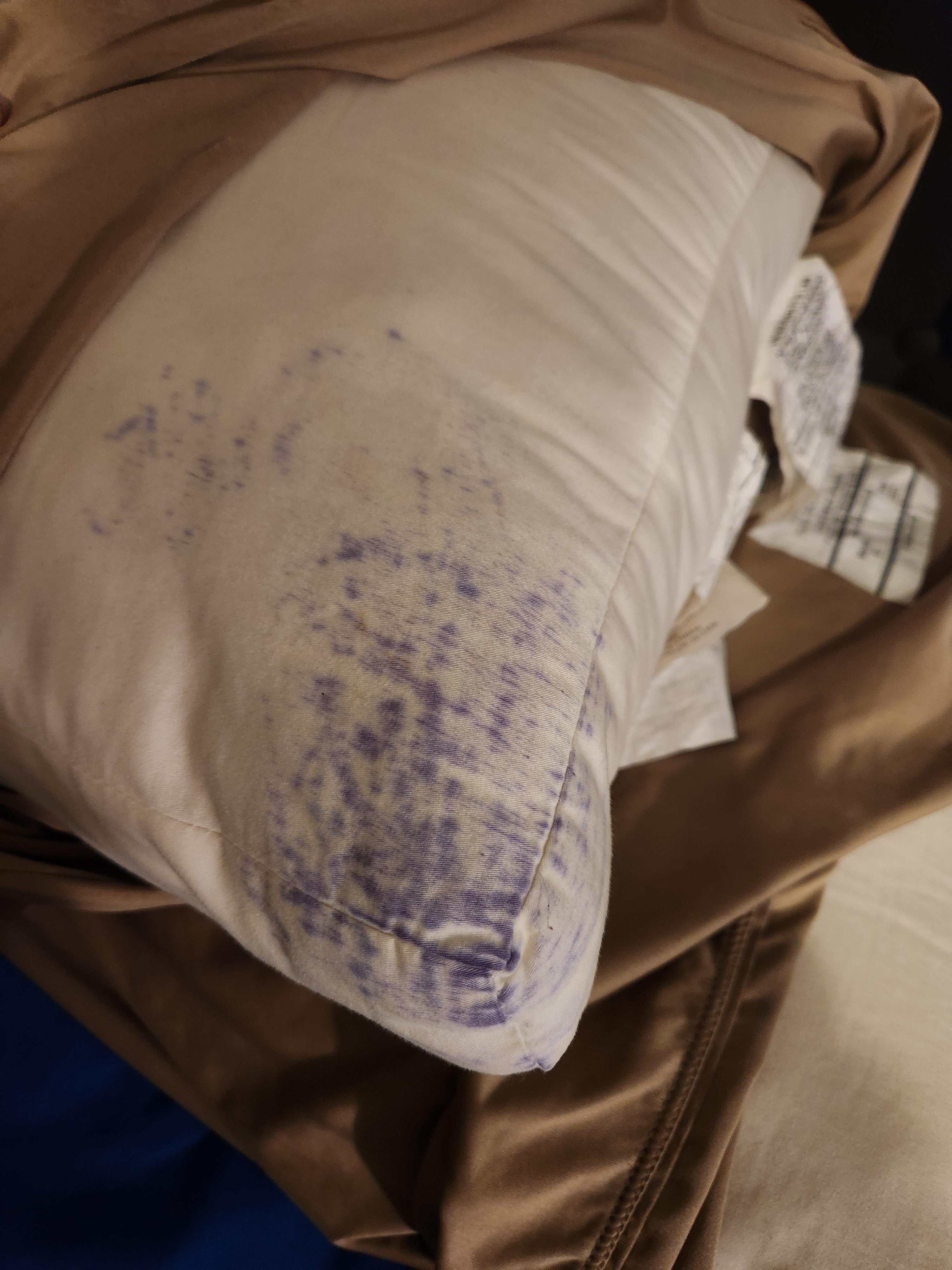
When it comes to keeping our clothes fresh and clean, we all have that one nemesis: hair oil stains! Whether you’re a beauty junkie who loves to experiment with the latest hair oils or just someone who occasionally indulges in some self-care, knowing how to get hair oil stains out of clothes is an absolute must. Don’t worry, darling; with a sprinkle of creativity and a dash of elbow grease, those pesky stains will be a distant memory.
Understanding Hair Oil Stains
Hair oil stains can be a bit tricky, darling. They often penetrate fabric fibers, making them not just unsightly but also challenging to remove. The oils used in hair products can vary, and knowing their nature can help in tackling those stubborn stains. Most hair oils are made from natural ingredients, but they can also contain synthetic compounds that add to their luxurious feel—however, this can make them more difficult to remove from fabric.
The Basics of Hair Oil Composition
Understanding the composition of hair oils is crucial because different oils will react differently with fabrics. Here’s a simple breakdown of common ingredients found in hair oils:
| Ingredient | Characteristic |
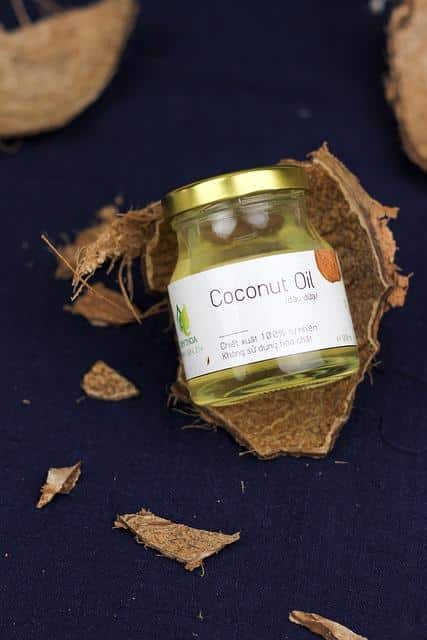
| Coconut Oil | Thick, penetrates deeply |
| Argan Oil | Lightweight, leaves a sheen |
| Jojoba Oil | Similar to skin sebum, difficult to remove |
| Olive Oil | Heavy, greasy texture |
Knowing what’s in your hair products can help you preemptively tackle stains or select the right cleaning method when those little accidents occur!
Pre-Treatment Steps for Hair Oil Stains
To effectively learn how to get hair oil stains out of clothes, the secret lies in the pre-treatment stage. Before you grab that shirt and throw it into the washing machine, read on to discover the best practices for tackling these grease monsters.
Quick Action is Key
The sooner you address the stain, the better. Blot the stain gently with a paper towel or a clean cloth to absorb excess oil. Avoid rubbing; this can spread the stain or push it deeper into the fabric. Think of it like dabbing a secret: you want to be gentle and precise, not overzealous!
Using Cornstarch or Baby Powder
Let’s face it, darling—sometimes, we need a little scientific assistance. Cornstarch and baby powder are fabulous at absorbing oil. Sprinkle a small amount onto the stain and allow it to sit for at least 30 minutes. This not-so-girly trick will help lift the oil to the surface, ready for removal!
Dish Soap to the Rescue
Believe it or not, trusty dish soap can work wonders on hair oil stains! Its grease-fighting formula is designed for tough jobs. Mix a teaspoon of liquid dish soap with a cup of warm water, then use a clean cloth to dab the solution onto the stain. Rinse with cold water and repeat if necessary. Make sure to keep it gentle; you don’t want a mess!
Washing Techniques to Consider
After pre-treating your clothing, it’s time for the washing technique. Understanding how to get hair oil stains out of clothes often requires a combination of efforts, including machine washing and maybe a little extra care.
Choosing the Right Temperature
When it comes to doing laundry, the temperature is everything! For most fabrics, washing in warm water will help to dissolve oil stains. Yet, always check the care label on your clothing first—so you don’t end up with a shrunk masterpiece! If it’s a delicate fabric, stick with cold water.
Selecting the Right Detergent
Using a heavy-duty detergent is vital when tackling stubborn hair oil stains. Look for one specifically formulated for removing grease and oil. Adding a booster, like baking soda or OxiClean, can also amp up the cleaning power.
Post-Wash Assessment
Once you’ve washed your beloved garment, it’s time for the moment of truth! Before tossing it into the dryer, take a peek at the stained area. If the stain persists, DO NOT dry the clothing. Drying the fabric can set the oil stain, making it practically impossible to remove later. Instead, repeat the pre-treatment and washing steps as needed.
What to Do If the Stain Is Still There
If, after all your hard work, the hair oil stain remains determined to stay—fear not, girlfriend! There are still some magical solutions to consider:
- Stain Remover Spray: Apply a commercial stain remover directly to the oily area. Follow the instructions on the bottle for the best results.
- Vinegar and Baking Soda: Mix equal parts white vinegar and water, and spray on the stained area. Then, sprinkle baking soda over the top. Let it fizz and bubble, rinse, and launder as usual.
- Professional Cleaning: If all else fails, a trip to the dry cleaners might be in order. They have specialized treatments and equipment to handle stubborn oil stains.
Prevention Tips for Hair Oil Stains
Once you’ve conquered the battle of how to get hair oil stains out of clothes, it’s time to protect your beloved wardrobe. Prevention is the name of the game!
Use a Hair Wrap or Towel
When applying hair oils, wrap your hair in a soft towel or a designated hair wrap to prevent drips and messy accidents. That way, your clothes stay safe and sound!
Apply Oils with Care
If you’re using hair oils, consider doing so in a bathroom or area where spills can be cleaned easily. Be mindful of how much product you’re using; sometimes, less is more!
Conclusion
Dealing with hair oil stains can feel like a never-ending saga, but with the right knowledge and techniques, you can restore your clothing to its former glory! From acting quickly and properly pre-treating, through thoughtful washing, to smart preventative measures, you now hold the secrets to how to get hair oil stains out of clothes like a pro! Remember, everyone has those hair oil moments; it’s all part of the fabulous journey of self-care and beauty! Stay stylish and stain-free, gorgeous!
To learn more about effective laundry techniques, check out this insightful Good Housekeeping guide or explore the wonders of cleaning with this informative Consumer Reports article.