Does Lymphoma Cause Hair Loss? For many facing the daunting journey of lymphoma, the physical and emotional toll can feel overwhelming. Among the myriad of concerns that arise, one question often surfaces: does lymphoma cause hair loss? This article seeks to explore this intricate relationship between lymphoma, its treatment, and hair loss, so let’s dive right in!
Understanding Lymphoma and its Types
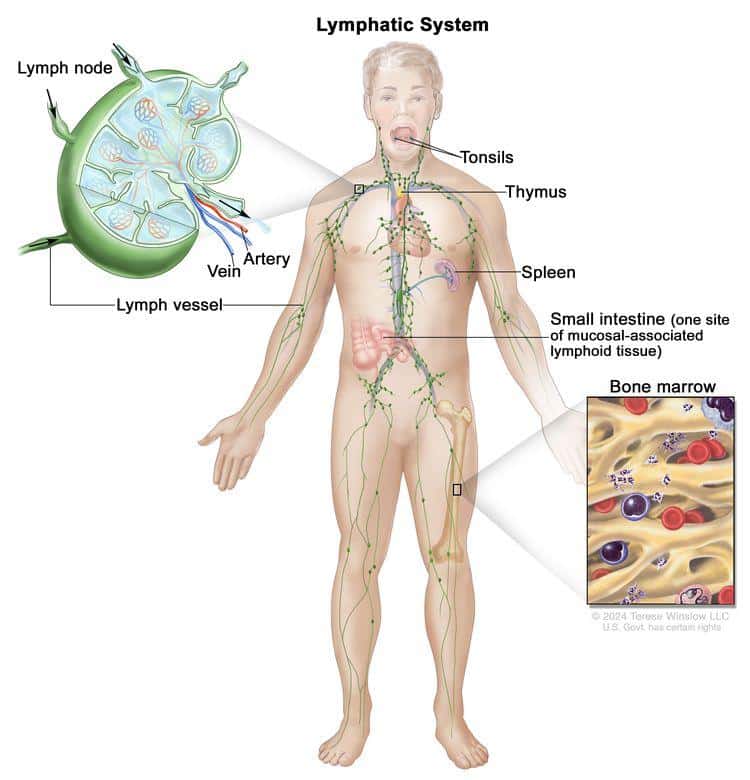
Lymphoma is a type of blood cancer that originates in the lymphatic system, specifically affecting the lymphocytes, which are a type of white blood cell. The lymphatic system plays a critical role in the immune system and the body’s ability to fight off infections. There are two primary types of lymphoma: Hodgkin lymphoma (HL) and non-Hodgkin lymphoma (NHL).
Hodgkin Lymphoma
Hodgkin lymphoma is characterized by the presence of Reed-Sternberg cells. It tends to occur in young adults and has a fairly high cure rate. The treatments often include chemotherapy, radiation therapy, or a combination thereof, which can lead to hair loss.
Non-Hodgkin Lymphoma
Non-Hodgkin lymphoma includes a diverse group of blood cancers that do not have the Reed-Sternberg cells. It is more common and its treatment also involves chemotherapy, which can impact hair health.
Both types of lymphoma can lead to hair loss, primarily due to the aggressive treatments used.
How Lymphoma Treatment Causes Hair Loss
The connection between lymphoma and hair loss is most commonly linked to the treatments employed to combat the disease. Let’s break down how these treatment options contribute to hair loss.
Chemotherapy
Chemotherapy drugs are powerful agents that target rapidly dividing cells, a hallmark of cancer cells. However, they also affect other fast-growing cells in the body, including hair follicles.
- Mechanism of Action: Chemotherapy works by attacking cancer cells but can’t differentiate between cancerous and healthy cells.
- Impact on Hair Growth: The result is often diffuse hair loss from all over the scalp, body, and even facial hair.
Radiation Therapy
When lymphoma is localized, radiation therapy may be utilized. This approach can also stimulate hair loss.
- Radiation Zones: If radiation is targeted at areas nearby the scalp or other body parts with hair, it can inhibit hair follicles from growing hair during or after the treatment phase.
Other Medications
In addition to chemotherapy and radiation, some treatments involve steroids and other immunosuppressive drugs, which can also affect hair health.
- Hair Growth Disruption: These medications may disrupt normal hair growth cycles, leading to thinning and loss.
Emotional and Psychological Effects of Hair Loss
The psychological impact of hair loss due to lymphoma treatment can be profound. Losing hair may heighten feelings of vulnerability and affect self-esteem.
Coping Strategies for Hair Loss
- Wigs and Hairpieces: Many find solace in the world of wigs, hats, or scarves. There is a dazzling array of options available, and finding the perfect fit can bring back a sense of self.
- Support Groups: Connecting with others who are experiencing similar challenges can provide emotional relief and camaraderie.
- Counseling Services: Speaking with a trained professional about feelings and self-image can be incredibly beneficial.
Can Hair Loss Be Avoided?
While hair loss is a common side effect of lymphoma treatments, there are a few strategies that may mitigate its impact.
Scalp Cooling Techniques
Scalp cooling caps are used during chemotherapy sessions to reduce the blood flow to hair follicles, potentially minimizing hair loss.
- Effectiveness: Reports have shown varying success rates, and while they may not completely prevent hair loss, they can reduce it significantly.
Nutritional Support
Maintaining a balanced diet rich in vitamins can support overall hair health even during treatment.
- Key Nutrients: Ensure to have enough Vitamin D, Iron, and Protein in your diet to promote hair growth and health.
Consultation with a Specialist
Discussing hair loss concerns with medical professionals can lead to personalized recommendations tailored to specific treatments.
Regrowth After Treatment
Once treatment for lymphoma concludes, many are anxious to know: will the hair grow back?
The Great News
For many, hair does start to grow back post-treatment, although it may initially appear different in texture or color.
- Timeline: Hair growth typically starts around 3-6 months after the completion of treatment.
Changes in Hair Texture
It is common for hair to come back curlier or finer than it was before. This can be a surprising and somewhat delightful surprise!
Conclusion: Embracing the Journey with Lymphoma
Addressing the question “Does Lymphoma Cause Hair Loss?” brings to light the complexities of battling this disease. While hair loss can be a distressing side effect of lymphoma treatment, understanding its causes and coping strategies can empower individuals. Remember, you’re not in this alone, and countless resources are available to help you embrace this journey with courage and positivity.
For further reading on lymphoma and its impact, check out Cancer.gov and Lymphoma Research Foundation for comprehensive information and support.
Life is indeed a beautiful tapestry of trials and triumphs, and for those traversing the path of lymphoma, perseverance is key!