Dupixent has been a beacon of hope for many people suffering from conditions like eczema, asthma, and chronic rhinosinusitis. As fabulous as it is to have a solution for these issues, there are whispers in the wind about whether this miracle drug also has a downside—specifically, does Dupixent cause hair loss? Let’s unravel this little mystery together, shall we?
Understanding Dupixent and Its Uses
Dupixent, or dupilumab, is an injectable medication that works by inhibiting key pathways in the body’s immune system. It’s FDA-approved for treating moderate to severe eczema (atopic dermatitis) in adults and children, chronic rhinosinusitis with nasal polyps, and asthma. Designed to target and manage inflammation, Dupixent has changed many lives for the better. But, as with any medication, there can be side effects, and understanding these effects is just as crucial as knowing the benefits.
So, what about the golden strands of hair? Does Dupixent cause hair loss? Let’s dive into the nitty-gritty.
The Relationship Between Dupixent and Hair Health
When we talk about hair loss and medications, we often think of side effects that disrupt hormonal balance or the body’s natural cycles. According to current findings, Dupixent has not been prominently associated with hair loss. Studies largely indicate that the side effects of Dupixent are mild to moderate in nature, primarily including reactions at the injection site, headache, or fatigue.
Common Side Effects of Dupixent
To truly get a feel for Dupixent, let’s examine its common side effects, which may help you understand why hair loss hasn’t been a focal point. Here’s a handy table that breaks down these effects:
| Side Effect | Description |
|---|---|
| Injection Site Reactions | Redness, swelling, or itching at the injection area, pretty standard for any injectable. |
| Fatigue | A feeling of tiredness or lack of energy, which may vary from person to person. |
| Headaches | Occasional headaches that can happen due to various reasons, including stress. |
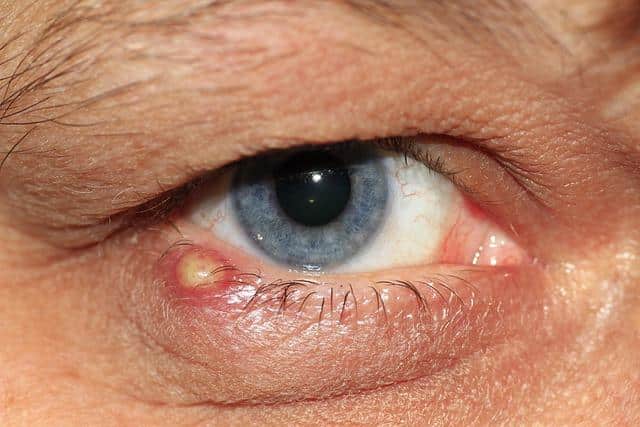
| Conjunctivitis | Also known as pink eye, it’s a bit of an embarrassing effect but generally manageable. |
| Upper Respiratory Infections | Mild infections, like colds, might occur but are not typically severe. |
Investigating Hair Loss Concerns
While Dupixent is largely not associated with hair loss, let’s sprinkle in some details about hair health during treatment. Many people experiencing skin issues might already be dealing with stress-related hair loss, which can add to the confusion and anxiety about medication. It’s important to note that hair loss can be due to multiple factors, including genetics, lifestyle, diet, and stress levels.
When considering “does Dupixent cause hair loss,” one must also look at how a patient’s skin condition may be affecting their overall health. Chronic skin conditions can lead to emotional stress, which is a known factor in stress-induced hair loss. Therefore, it’s essential to take a holistic approach when pondering over this elegant query.
Hair Growth and Treatments During Dupixent Use
Should you ever experience hair thinning or hair loss while on Dupixent, it’s worth discussing with your healthcare provider. They may refer you to a dermatologist or a trichologist (a hair specialist) who can examine your scalp health, overall hair health, and suggest treatments to promote hair growth. Here are some effective treatments that may complement your Dupixent therapy:
- Minoxidil: This topical solution can encourage hair regrowth when applied consistently.
- Healthy Diet: Consuming nutrients like biotin, vitamins A, C, D, E, and omega-3 fatty acids can play a vital role in hair health.
- Stress Management Techniques: Yoga, meditation, and adequate sleep can help reduce overall stress and potentially lessen hair loss.
Expert Insights on Dupixent and Hair Loss
Let’s sprinkle in a little wisdom from health professionals. According to dermatologists, the chance of experiencing hair loss while on Dupixent rests on the individual more than the medication itself. For those with pre-existing hair conditions or stress, the likelihood may increase.
If concerned, it’s also beneficial to keep a keen eye on your hair during treatment. Log any changes and talk to your doctor about what you notice. They can offer insights that are tailored to you, ensuring you stay fabulous while managing your health!
Conclusion: Staying Beautiful Inside and Out
the question of whether Dupixent causes hair loss seems to lean towards a shrug of the shoulders—mostly, no! As amazing as this medication is for treating various conditions, hair loss has not been a commonly documented side effect. Remember, though, that every body is unique and reacts differently to treatments, so keep those communication channels open with your healthcare provider.
Additionally, if hair loss does occur, don’t let it steal your sparkle—there are plenty of options available to address hair health. Treat yourself with kindness, focus on your health in a holistic manner, and remember that you are gorgeous, with or without a luxurious mane. For more information on Dupixent and its overall side effects, check out reputable sources like Drugs.com and NCBI.
Your health journey is all about finding balance, darling. So whether it’s from Dupixent or just the adventures of life, stay fabulous and keep your head held high!