Can Lyme Disease Cause Hair Loss? This is a question that many individuals affected by Lyme disease might find themselves pondering. The connection between Lyme disease and various health issues is well-documented, but hair loss can be a particularly distressing symptom for many. This article explores the relationship between Lyme disease and hair loss, providing detailed insights and supporting information for those seeking clarity on this topic.
Understanding Lyme Disease
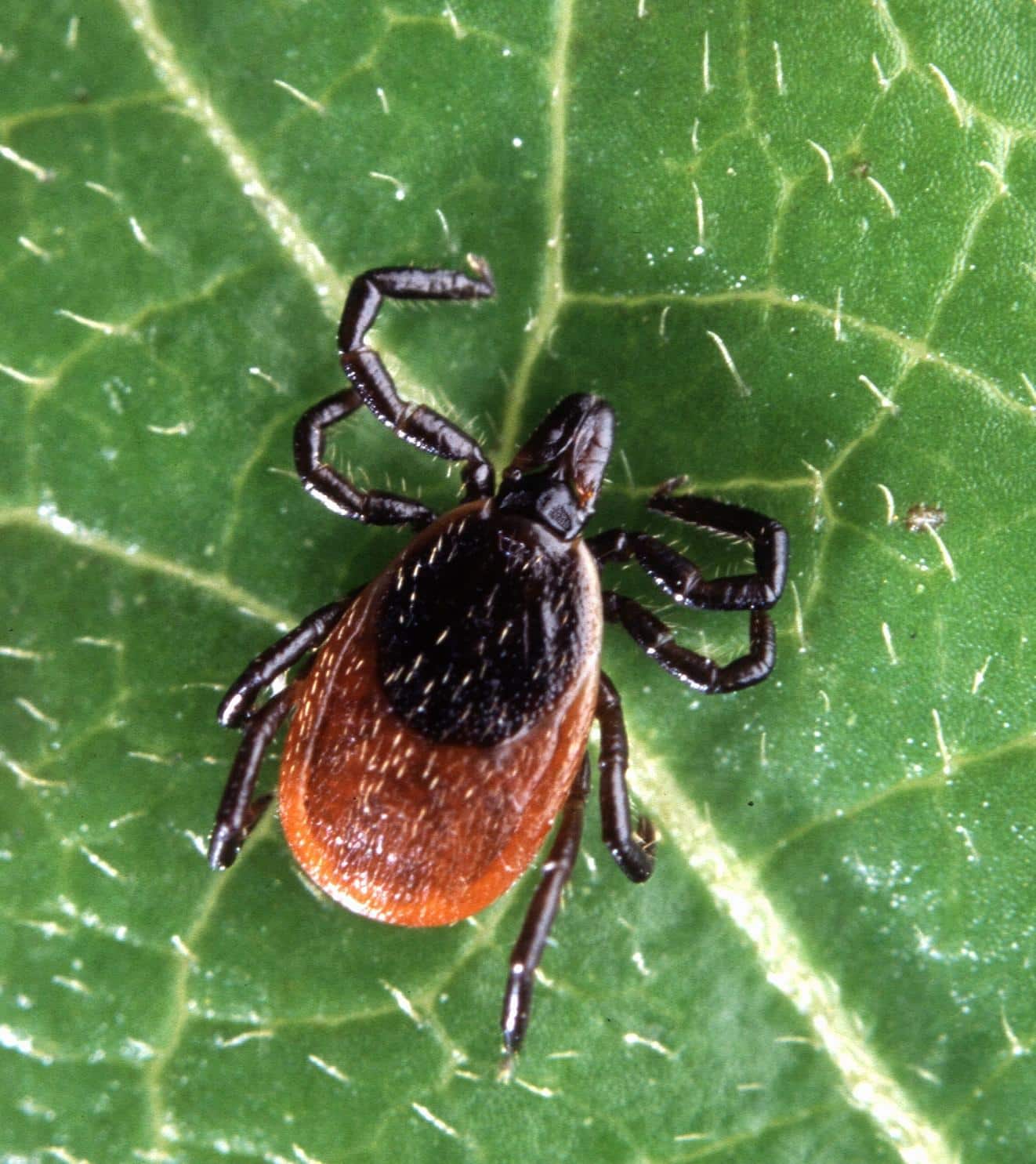
Lyme disease is a tick-borne illness primarily caused by the bacterium Borrelia burgdorferi. The disease is transmitted to humans through the bite of infected black-legged ticks, commonly known as deer ticks. Lyme disease is most prevalent in the northeastern, north-central, and Pacific coastal regions of the United States. Symptoms typically manifest in stages:
- Early localized stage: This includes symptoms such as fever, chills, headache, fatigue, and the well-known erythema migrans rash (often called a “bull’s-eye” rash).
- Early disseminated stage: If untreated, the bacteria can spread to other parts of the body, leading to additional symptoms such as joint pain, neurological issues, and further skin complications.
- Late disseminated stage: This may include persistent symptoms like arthritis, neurological complications, and, in some instances, hair loss.
The Link Between Lyme Disease and Hair Loss
While some may not initially connect Lyme disease with hair loss, studies suggest that there is indeed a correlation. Can Lyme Disease Cause Hair Loss? The answer is a nuanced yes. This condition can affect hair growth through several mechanisms:
- Autoimmune Response: In some cases, Lyme disease triggers an autoimmune response, wherein the body mistakenly attacks its own tissues, leading to alopecia areata, a condition characterized by sudden hair loss in patches.
- Nutritional Deficiencies: Chronic Lyme disease can result in deficiencies in essential nutrients, which are vital for healthy hair growth. For instance, a lack of iron, zinc, and B vitamins can impede hair follicle function and cause hair thinning.
- Infection-Related Stress: The stress of battling an infection like Lyme disease can also contribute to hair loss. Stress-induced hair loss, known as telogen effluvium, is temporary but can be distressing.
- Direct Effects of the Bacteria: Research indicates that Borrelia burgdorferi may directly interact with hair follicles, disrupting the normal hair growth cycle and leading to hair shedding.
Symptoms of Hair Loss Related to Lyme Disease
Identifying hair loss due to Lyme disease can be tricky, especially since other factors may contribute. Here are some key symptoms to look out for:
- Thinning Hair: One may notice a gradual thinning in specific areas or overall.
- Patchy Bald Spots: Unlike diffuse hair loss, some individuals may experience sudden bald patches that can vary in size.
- Change in Hair Texture: Hair may become brittle and break more easily.
- Scalp Sensitivity: An affected individual might also experience tenderness or itching on the scalp.
Coping with Hair Loss from Lyme Disease
If you prefer a proactive approach, here are some strategies that can help you cope with hair loss related to Lyme disease:
- Consult a Medical Professional: The first step is to seek advice from a healthcare provider. A proper diagnosis can lead to tailored treatment options, potentially addressing both Lyme disease and hair loss.
- Nutritional Support: Incorporating a well-balanced diet rich in vitamins and minerals can be incredibly beneficial. Foods high in zinc, iron, omega-3 fatty acids, and B vitamins can promote healthier hair.
- Stress Reduction Techniques: Engaging in relaxation techniques such as yoga, meditation, or deep-breathing exercises can help manage stress levels, which in turn could alleviate stress-related hair loss.
- Topical Treatments: Consider using medicated shampoos or topical solutions designed to support hair health. Ingredients like minoxidil may encourage hair regrowth.
- Support Groups: Connecting with others who are experiencing similar challenges can provide emotional support and practical advice.
When to Seek Professional Help
It’s crucial to recognize when hair loss may indicate deeper issues associated with Lyme disease. If your hair loss:
- Is severe or persistent
- Is accompanied by other concerning symptoms (such as severe fatigue, sleep disturbances, or joint pain)
- Leads to significant emotional distress
It’s essential to consult a healthcare professional. They may recommend evaluating your Lyme disease treatment plan or exploring additional health conditions contributing to your symptoms.
Conclusion
So, circling back to the main question: Can Lyme Disease Cause Hair Loss? Yes, it can! With the right information, you’re better equipped to tackle this potentially distressing symptom. Always maintain open communication with your healthcare provider about any changes you experience, including hair loss. Remember, you’re not alone in this journey, and there are various resources and support networks available to assist you!
For further information on Lyme disease, you can visit the CDC Lyme Disease page or The Lyme Disease Organization for support and resources.
With a combination of medical advice, dietary adjustments, and self-care practices, it’s possible to reclaim your luscious locks and restore confidence on your path to recovery. Here’s to health, happiness, and fabulous hair days ahead!