Do Head Lice Cause Hair Loss? Ah, the dreaded little critters that seem to appear out of nowhere, turning our lives upside down and our hair into a battleground! The sheer thought sends shivers down the spine, right? For many, the panic sets in when they hear about head lice. Do head lice cause hair loss, though? This question has lingered in the minds of parents, teachers, and even those who just want to have a relaxed evening without itchy distractions. Let’s dive into this topic like we’re wading through a pool of glitter—sparkly, enlightening, and absolutely essential!
Understanding Head Lice Infestation
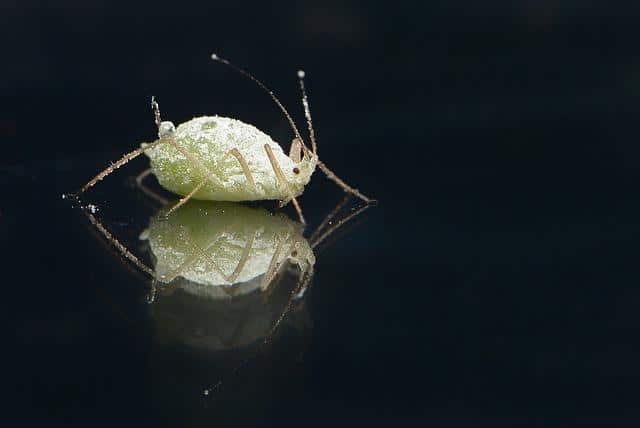
Head lice, scientifically known as Pediculus humanus capitis, are small, wingless insects that live on the human scalp, feeding on blood. They are most common among school-aged children, but adults can be affected too. When discussing the question, do head lice cause hair loss, it’s essential to first delve into how these little invaders operate.
Life Cycle of Head Lice
Head lice have a fascinating yet somewhat terrifying life cycle that contributes to their ability to infest and irritate. Here’s a quirky little table that outlines their stages:
| Stage | Description |
| Nit | These are the eggs laid by adult females, attached to the hair shaft close to the scalp. |
| Nymph | Once these nits hatch, nymphs emerge, looking like tiny adults and start feeding on blood. |
| Adult | After a week, nymphs mature into adults, ready to reproduce and spread the infestation. |
Understanding their life cycle is crucial because this is when the damage—as in irritation and potential hair loss—can occur.
How Do Head Lice Affect the Scalp?
When discussing do head lice cause hair loss, it’s important to know how they affect the scalp. Oh dear, let’s get into the nitty-gritty!
- Itching and Irritation: One of the most common symptoms of head lice is intense itching and discomfort. They bite and suck blood, leading to irritation in the scalp. This creates an environment where continuous scratching can occur.
- Infection Risk: Scratching the scalp too much can lead to open wounds, increasing the risk of secondary bacterial infections. These infections can exacerbate the situation and lead to even more scalp issues.
- Hair Damage: While lice themselves don’t eat hair (thank goodness), the scratching to relieve that itch can damage hair follicles. Consistent irritation may lead to hair breaking and potentially pull hairs from their roots.
The Connection Between Head Lice and Hair Loss
So, do head lice cause hair loss? Technically, head lice do not directly cause hair loss. However, their presence results in behaviors and conditions that can lead to temporary hair loss. Let’s unravel this with a closer look.
Impact of Scratching on Hair Follicles
As noted, people often scratch due to the itching caused by lice bites. This scratching can impact hair follicles. Let’s discuss how:
- Traction Alopecia: With constant pulling and scratching, hair can fall out due to traction alopecia, a situation where hair is lost because of continuous tension or strain on the hair shaft.
- Follicle Damage: If the scalp is irritated and damaged significantly, it could impair hair follicles, causing stunted hair growth or loss in extreme cases.
Psychological Effects of Infestation
Let’s not forget the emotional side of having head lice! The anxiety and embarrassment can lead to stress-related hair loss. Emotional distress plays a huge role in overall hair health. The shame of being “that person” with lice can cause anxiety, which is not hair-friendly at all.
Treatment and Preventative Measures
Combatting head lice is essential not just for comfort but also to prevent potential hair loss associated with scratching and psychological distress. Here’s how to tackle yet another question: what can be done?
Effective Treatments for Head Lice
Here are some popular treatments that can help eliminate head lice:
- Over-the-Counter Shampoos: Products containing pyrethrin or permethrin are standard. It’s always wise to follow the manufacturer’s directions explicitly.
- Prescription Treatments: For more severe cases, a doctor may prescribe stronger medications.
- Wet Combing: This method involves using a fine-toothed comb to remove nits and lice from damp hair, often used alongside chemical treatments.
- Home Remedies: While the effectiveness can vary, natural remedies like essential oils (tea tree oil, lavender oil) are sometimes used to deter lice.
Preventative Strategies for Head Lice
- Regular Hair Checks: Encourage regular checks, especially for young children, as early detection can help.
- Personal Hygiene: Stress the importance of personal hygiene—though lice aren’t a sign of being unclean, proper care can cut down on infestations.
- Avoid Sharing Personal Items: Hairbrushes, hats, and pillows are prime suspects for transferring lice. Teach the importance of not sharing these items.
The Takeaway: Do Head Lice Cause Hair Loss?
To wrap it up in a sparkly bow, do head lice cause hair loss? The answer is nuanced. While they don’t directly cause hair loss, the irritation, scratching, and emotional distress they bring might. So, take proactive steps, keep calm, and remember that lice are manageable.
Whether you’re battling lice now or hoping to avoid them in the future, knowledge is power! Stay informed and equipped to tackle these pesky little creatures head-on and keep your gorgeous tresses intact. For more detailed information, check out reputable sources like CDC – Head Lice and AAFP – Head Lice Treatment!
In the grand scheme of things, lice shouldn’t dampen your sparkle! Keep shining, lovely!