Can Uterine Fibroids Cause Hair Loss? This is quite a puzzling question, and if you’ve been feeling a little hair less (pun intended), know that you’re not alone! Uterine fibroids, those pesky noncancerous growths in the uterus, have a magical way of impacting various aspects of life. From heavy periods to bloating, and yes, even potential hair loss, they sure know how to throw a wrench in our daily lives. So, grab your favorite cup of herbal tea, cozy up, and let’s dive into this tangled web of fibroids and their not-so-glamorous effects.
Understanding Uterine Fibroids and Their Impact on the Body
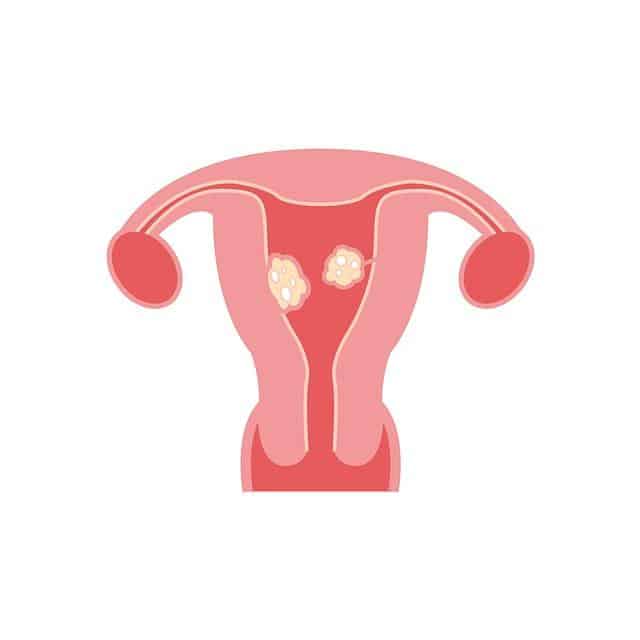
Uterine fibroids, also known as leiomyomas, can vary in size and location within the uterus. They’re like uninvited guests that just won’t leave, and they come in three main types:
- Intramural Fibroids: These are nestled within the uterine wall itself.
- Submucosal Fibroids: This type projects into the uterine cavity and can cause heavy bleeding.
- Subserosal Fibroids: These grow on the outer surface of the uterus and can push against other organs.
Now, while fibroids are typically benign, their presence can lead to a plethora of symptoms, particularly relating to menstrual health. But do they impact hair health? Let’s get into how these fibroids might contribute to unexpected hair loss.
The Relationship Between Uterine Fibroids and Hair Loss
When asking, “Can Uterine Fibroids Cause Hair Loss?” it’s essential to consider the broader picture of women’s health. Hormones play a significant role here, as fibroids are often fueled by estrogen levels. This hormone imbalance can cascade into other health issues, including hair thinning or loss.
Hormones and Hair Growth
Did you know that your hair follicles are super sensitive to hormonal changes? Yes, queen! Hormones such as estrogen and progesterone affect the hair growth cycle, which has three phases:
- Anagen (growth): The active phase, where hair grows longer.
- Catagen (transitional): The phase when growth slows and the hair follicle shrinks.
- Telogen (resting): The phase where hair falls out and is replaced by new growth.
When fibroids interfere with hormone levels, it can lead to an imbalance that throws this hair growth cycle out of whack, potentially causing hair to fall out during the telogen phase more frequently than normal.
Additional Factors Contributing to Hair Loss
While uterine fibroids themselves may not directly cause hair loss, several indirect factors associated with fibroids can contribute. Here’s a quick list of what might be impacting your luscious locks if you have fibroids:
- Heavy Menstrual Bleeding: Losing excess blood can lead to iron deficiency anemia, which is notorious for causing hair loss.
- Chronic Stress: Living with fibroids can be stressful. Stress ramps up cortisol levels, which can lead to hair thinning.
- Changes in Diet: If you’re feeling blah because of fibroids, you might not be eating as healthily as you should. A poor diet can definitely affect hair quality and thickness.
Recognizing the Signs of Hair Loss
So, how can you tell if your hair loss is connected to uterine fibroids? Here are some signs to keep an eye on, darling:
Symptoms of Hair Loss
- Thinning Hair: Noticing more scalp than usual? How rude!
- Bald Spots: Oh no! Spots where hair isn’t growing in properly.
- Increased Hair Fall: Finding more hair in your brush or shower? It may be time to investigate.
Menstrual Symptoms Linked to Fibroids
Understanding your menstrual cycle can be a critical clue in the fibroids-hair loss puzzle. Here are some signs often associated with fibroids that could contribute to hair loss:
- Heavy and Prolonged Periods: This could lead to iron deficiency, affecting hair health.
- Pelvic Pain: Ouch! Pain can also lead to stress and unhealthy coping mechanisms, like stress eating, which can impact your hair.
Diagnosis and Treatment of Uterine Fibroids
If you suspect fibroids are affecting your hair, getting the right diagnosis is essential. Here’s how to go about it:
Diagnosis of Uterine Fibroids
Diagnosis typically involves with:
- Pelvic Exams: A healthcare provider will check for any unusual lumps or tenderness.
- Ultrasound: A standard imaging method to visualize fibroids.
- MRI: More detailed imaging to assess the size and location of the fibroids.
Treatment Options for Uterine Fibroids
After a diagnosis, treatment options vary based on fibroid size and symptoms:
- Medications: Hormonal treatments can help manage symptoms and may reduce fibroid size.
- Minimally Invasive Procedures: Options such as uterine artery embolization can shrink fibroids.
- Surgery: In severe cases, a hysterectomy may be recommended, especially if you’re done with having children.
Hair Restoration Solutions
So now the big question arises: what can you do about hair loss related to uterine fibroids?
Topical Treatments
Using topical treatments can be beneficial. Look for products containing ingredients such as:
- Minoxidil: A well-known treatment for hair loss that can boost follicle health.
- Essential Oils: Like peppermint and rosemary oil, which are believed to promote hair growth.
Nutritional Support
Eat your way to hair heaven! Here are some dietary tips to support healthy hair growth:
- Iron-Rich Foods: Spinach, lentils, and red meat can help combat anemia.
- Vitamins and Nutrients: Ensure adequate intake of vitamins A, C, D, E, and B vitamins alongside omega-3 fatty acids.
Stress Management Techniques
Controlling stress is crucial since it has direct consequences on both uterine health and hair loss. Try:
- Meditation: A little zen never hurts!
- Yoga and Pilates: Perfect for destressing those tense muscles.
- Journaling: Writing can be cathartic and help process feelings and stress.
Conclusion on Uterine Fibroids and Hair Loss
while the question, “Can Uterine Fibroids Cause Hair Loss?” is a complex one, the connection often pertains to hormonal imbalances and associated symptoms. By recognizing the signs, getting the right treatment for fibroids, and taking proactive steps towards hair health, it’s absolutely possible to manage and mitigate the effects of this condition. Here’s to your beautiful journey of reclaiming your hair and health—because we girls deserve to shine like diamonds, don’t we?
For further insights on managing hair health and understanding related conditions, check out this informative resource on uterine fibroids and another gem about hair loss treatment options. Remember, knowledge is power!