Can Endometriosis Cause Hair Loss? This is a topic that weaves together the complexities of a woman’s body and the unexpected symptoms that can arise from conditions like endometriosis. As we delve into this subject, it’s essential to shed light on how endometriosis might influence hair health and why it constitutes more than just a fleeting concern for those affected.
Understanding Endometriosis and Its Impact on Women’s Health
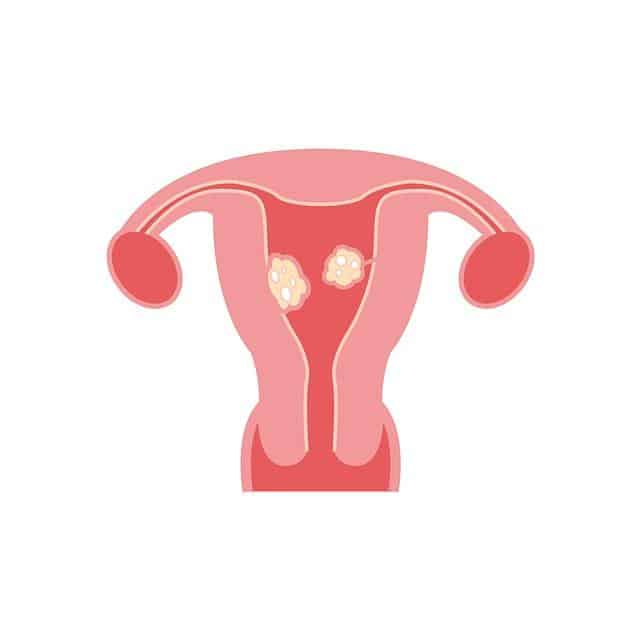
Endometriosis is a condition where tissue similar to the lining of the uterus grows outside of it, often causing severe pain, irregular periods, and various other symptoms. This pesky disorder affects millions of women worldwide and, beyond physical symptoms, can take a significant emotional toll. While many associate endometriosis symptoms with pelvic pain or heavy bleeding, the reality is that endometriosis can manifest in countless ways, including some surprising side effects like hair loss.
The Link Between Hormones and Hair Loss
Hair loss is often attributed to hormonal fluctuations, which are frequent companions of endometriosis. Hormones play a pivotal role in regulating various bodily functions, including hair growth cycles. One notable hormone is estrogen, which can be affected by the hormonal imbalances that often accompany endometriosis. When estrogen levels fluctuate (think estrogen dominance), it can lead to a scenario where hair follicles become weaker, ultimately resulting in hair thinning or loss.
- Key Hormones Involved:
– Estrogen: Sustains the hair growth cycle.
– Progesterone: Helps balance estrogen; low levels may exacerbate hair loss.
- Androgens: Elevated levels can lead to conditions like androgenetic alopecia.
Symptoms of Hair Loss Related to Endometriosis
Hair loss stemming from endometriosis may not present itself in a straightforward manner. Women experiencing hair-related issues might notice:
- Increased shedding: Finding more hair strands on your pillow or in the shower.
- Thinning areas: Bald spots or patches on the scalp.
- Changes in texture: Hair may feel weaker or more brittle.
It’s essential for women to pay attention to these changes, as they can be indicators of underlying hormonal imbalances related to their endometriosis diagnosis.
Other Contributing Factors to Hair Loss with Endometriosis
While hormonal changes are a primary factor, they are not a solo player in the game of hair loss. Quite a few other sneaky culprits are at work:
- Chronic Stress: Endometriosis can be a relentless source of stress, and chronic stress has been linked to telogen effluvium, a temporary type of hair loss.
- Nutritional Deficiencies: Dealing with pain and discomfort can lead to a poor diet. Nutrient deficiencies, especially in iron and other vitamins, can hinder hair growth.
- Medications: Some treatments prescribed for endometriosis, like hormonal therapies, may carry side effects that contribute to hair loss.
Seeking Medical Advice for Diagnosis
If you find yourself questioning whether endometriosis is causing your hair loss, the first step is to consult with a healthcare provider. They can conduct a thorough assessment, taking into account your medical history, symptoms, and a complete examination. Including resources into your research can also shine a spotlight on best practices. For further information, check out Endometriosis is a Pain in the Uterus for reliable insights.
How to Diagnose Hair Loss
To properly diagnose the kind of hair loss stemming from endometriosis, a healthcare provider might suggest:
- Blood tests: To evaluate hormone levels, iron levels, and other essential nutrients.
- Scalp examination: To check for any signs of inflammation or infection.
- Biopsy: In some cases, to rule out other skin-related issues.
Treatment Options for Hair Loss Associated with Endometriosis
Once the underlying causes of hair loss have been identified, various treatment strategies can be discussed. Below are some common approaches.
Hormonal Treatments
- Hormonal Therapy: Managing hormone levels may stabilize hair growth.
- Birth Control Pills: They can help regulate hormones and reduce endometriosis symptoms.
Hair Restoration Techniques
- Minoxidil: Some women turn to topical treatments to stimulate hair growth.
- Hair Transplants: This might be an option if the thinning is severe.
Nutritional Adjustments
- Balanced Diet: Incorporating foods rich in vitamins, minerals, and omega fatty acids can promote hair health.
- Supplements: Iron, biotin, and omega-3 supplements may also help nourish hair follicles.
Lifestyle Changes to Support Hair Health
In addition to medical treatments, adopting a healthy lifestyle can significantly improve overall hair health. Here’s how you can pamper those luscious locks:
- Practice Stress Management: Incorporate yoga, meditation, or any stress-relief activities you adore.
- Get Enough Sleep: Aim for 7-9 hours of restful sleep.
- Stay Hydrated: Drinking water is a delicious way to promote healthy skin and hair!
The Emotional Toll of Hair Loss
Apart from the physical implications, experiencing hair loss can be truly disheartening. Social media and cultural standards often showcase the idealized version of hair health and beauty, leaving many women feeling vulnerable.
It’s crucial to understand that you are not alone. Connecting with support groups can help in sharing experiences and coping strategies. Being part of a community can alleviate the feelings of isolation and help in reclaiming self-confidence.
Conclusion: Embracing the Journey Through Endometriosis and Hair Loss
the answer to “Can Endometriosis Cause Hair Loss?” is a resounding yes! The complexity of endometriosis doesn’t just affect the reproductive system but can ripple through to impact hair health, emotional well-being, and lifestyle. Navigating through this condition requires understanding, compassion, and proactive steps toward both hormonal balance and emotional support.
If you’re dealing with this double struggle, just know that it’s possible to find the balance between managing endometriosis and feeling fabulous hair-wise again! Always remember to seek appropriate medical advice and remember: it’s not just about the hair; it’s about how you feel inside. So keep shining, gorgeous!