Can Too Much Zinc Cause Hair Loss? Hair loss is a concern for many people, and those who find themselves losing strands may turn to various remedies, including dietary supplements. Among these, zinc has been a popular contender, often praised for its potential benefits in promoting hair growth and scalp health. However, the question of whether too much zinc can actually cause hair loss might just put a damper on that optimism. Let’s explore this topic and uncover the truth behind zinc supplementation and its effects on our precious locks!
The Role of Zinc in Hair Health
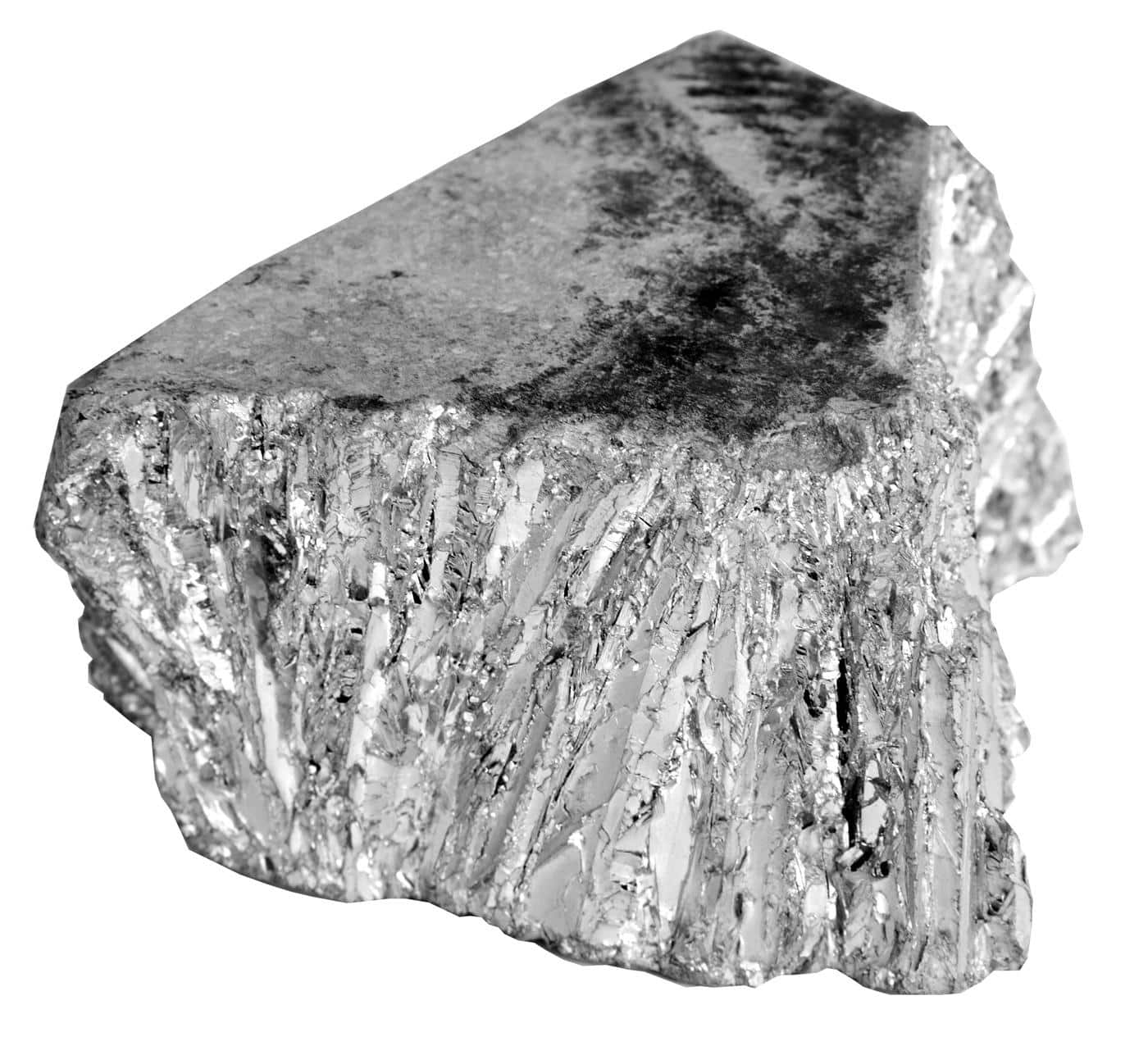
Zinc is an essential mineral that plays a vital role in numerous bodily functions, including immune response, protein synthesis, and cell division. When it comes to hair health, zinc is particularly important.
How Zinc Affects Hair Growth
Zinc contributes to hair growth and repair by:
- Regulating Hormones: Zinc plays a role in the production and regulation of hormones that are crucial for healthy hair growth.
- Supporting Hair Structure: It assists in the formation of proteins like keratin, a key component of hair.
- Maintaining Scalp Health: Zinc has anti-inflammatory properties that help in reducing scalp irritation, creating a healthy environment for hair follicles.
The Recommended Daily Allowance of Zinc
To keep your hair shining and growing, it’s important to consume the right amount of zinc. Here are the recommended daily allowances:
- Adult Men: 11 mg/day
- Adult Women: 8 mg/day
- Pregnant Women: 11 mg/day
- Lactating Women: 12 mg/day
These values may vary by age and lifestyle factors, so it’s important to consult with a healthcare provider to determine your optimal intake.
Understanding Zinc Deficiency and Its Effects
Before diving into can too much zinc cause hair loss, it’s crucial to understand what happens when you’re running low on this essential mineral.
Signs of Zinc Deficiency
A deficiency in zinc can lead to several hair-related issues, making it even more important to understand the balance:
- Hair Thinning: Without enough zinc, hair may become thin and fragile.
- Scalp Issues: A lack of zinc can lead to dandruff and dry scalp, which can hinder hair growth.
Health Consequences of Zinc Deficiency
Beyond hair woes, inadequate zinc levels can affect overall health, causing:
- Weakened immune response
- Loss of appetite
- Impaired healing
In a way, zinc is like that reliable friend who always shows up to keep everything in check. We need it, and when it’s absent, things can go haywire!
The Other Side of the Coin: Too Much Zinc
Now, let’s get into the juicy part: can too much zinc cause hair loss? It’s definitely possible if we’re not mindful of our intake!
Understanding Zinc Toxicity
An excess of zinc can lead to a condition known as zinc toxicity, where symptoms can range from mild to severe. Consuming more than 40 mg per day can cause adverse effects. The potential impacts on hair health include:
- Disruption of Copper Absorption: High zinc levels can interfere with the absorption of copper, leading to a deficiency that may manifest through symptoms like hair loss.
- Hormonal Imbalance: Too much zinc can lead to fluctuating hormone levels which may affect hair follicle cycle and lead to shed those strands!
Symptoms of Excessive Zinc Intake
If you think you might be on the zinc overload train, watch out for these symptoms:
- Nausea
- Diarrhea
- Abdominal cramps
- Headaches
- Hair loss
So, while we’re all about that zinc life for beautiful hair, moderation is key, darling!
The Recommended Dosage vs. Hair Loss
Now that we’ve established the importance of zinc and how too much can be detrimental, where does that leave us with our hair?
Finding the Right Balance
Achieving the right zinc balance is crucial for hair health. Here’s how:
- Sources of Zinc: Consider natural sources like meat, shellfish, legumes, seeds, and nuts. They can provide the necessary zinc without the risk of overdose.
- Avoid Over-Supplementation: If choosing zinc supplements, stick to the recommended dosage or consult a healthcare professional for personalized advice.
Zinc and Overall Health Impact on Hair
Remember that hair doesn’t exist in a vacuum! Good hair health is often tied to overall wellness. Therefore:
- Ensure you maintain a balanced diet rich in vitamins, minerals, and proteins.
- Manage stress levels and ensure you get enough rest, as both can help in preventing hair loss.
Conclusion: Can Too Much Zinc Cause Hair Loss?
while zinc is an important mineral for hair and overall health, can too much zinc cause hair loss? Yes, it can! Finding that perfect balance will keep those lovely strands where they belong—on your head.
For more insights on hair health and nutrition, check out reputable resources like Healthline and NCBI.
So, be fabulous, be informed, and let’s keep those hair flips going strong! 💁♀️