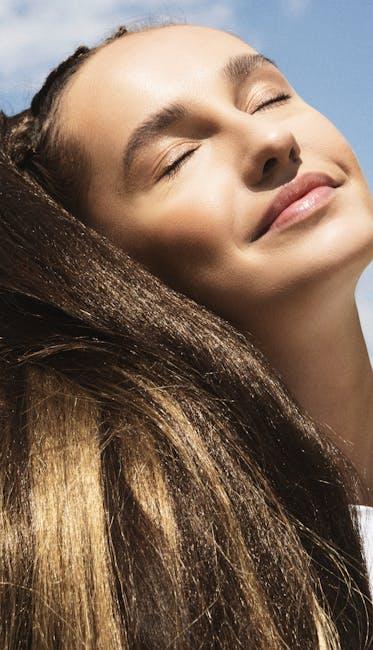

Can oily hair cause hair loss? This question has been on the minds of many, and it’s time to dive deep into it and unravel the mystery of oily hair and its potential impact on our precious locks. Oily hair is a common concern for many, making it crucial to understand not only the causes of oiliness but also if and how it could contribute to hair loss. So, grab your favorite hair care product and let’s get to the bottom of this!
Understanding Oily Hair
Oily hair is often the result of excess sebum production from the sebaceous glands in the scalp. While some oil is essential for healthy hair—providing moisture, shine, and protection—too much can leave your mane looking limp, greasy, and unkempt. Factors that contribute to oily hair can include:
- Hormonal Changes: Fluctuations in hormones, such as during puberty, menstruation, or pregnancy, can increase oil production.
- Diet and Lifestyle Choices: A diet high in unhealthy fats, sugars, or processed foods can exacerbate oiliness. Stress can also play a nasty role.
- Genetics: Sometimes, it’s just in your DNA! If your parents had oily hair, you might too.
- Improper Hair Care: Overwashing can strip hair of its natural oils, prompting the scalp to overcompensate by producing more oil.
It’s worth noting that having oily hair doesn’t automatically mean you have an oily scalp. The two can often behave independently.
How Oily Hair Can Affect Your Scalp Health
Healthy hair growth thrives on a balanced scalp environment. When faced with excessive oil, several issues can arise that can lead to hair loss. Here’s why it matters:
- Clogged Hair Follicles: Excess sebum can mix with dirt, sweat, and product build-up, leading to clogged hair follicles. This blockage can hinder hair growth, making it more difficult for hair to push through.
- Inflammation and Irritation: Oily hair can lead to scalp conditions such as dandruff or seborrheic dermatitis, causing inflammation that may disrupt normal hair growth.
- Bacterial Growth: An overly oily scalp can become a breeding ground for bacteria, making hair follicles unhealthy and potentially leading to hair loss.
By attending to the scalp’s health, you can create a more inviting environment for luscious hair growth.
The Connection Between Oily Hair and Hair Loss
So, can oily hair cause hair loss? While oily hair itself doesn’t directly cause hair to fall out, the underlying scalp conditions induced by excess oil can certainly contribute to hair thinning. Let’s explore how:
Sebum Overproduction and Hair Loss
Sebum overproduction can make your scalp an unsuitable environment for hair growth. The flow of excess oil can lead to:
- Diminished Nutritional Supply: If follicles are clogged, hair may not receive the necessary nutrients, leading to weakened strands that are more prone to breaking.
- Reduced Oxygen Levels: When follicles are blocked, oxygen flow may be restricted, compromising hair health.
The Impact of Scalp Health on Hair Growth
A hair-friendly scalp plays a significant role in maintaining hair growth. Here’s how oily hair contributes to poor scalp health:
- Dandruff and Malassezia: Oily hair often leads to dandruff due to the yeast-like fungus, Malassezia, which thrives in oily conditions. Dandruff can irritate hair follicles and cause shedding.
- Scalp Infections: Bacteria thrive when oil levels are high, leading to infections which can directly impact hair growth.
Being mindful of scalp health is vital in understanding if oily hair can indirectly contribute to hair loss.
Effective Strategies to Manage Oily Hair
Fortunately, you don’t have to be a slave to oily hair! There are many ways to manage excess oil effectively and keep your hair healthy.
Proper Hair Washing Technique
Choosing the right shampoo and wash frequency is essential. There are specific steps to follow:
- Choose a sulfate-free shampoo: Sulfates can strip your hair of necessary oils and lead to overcompensation by the scalp.
- Wash regularly but not excessively: Aim for 2-3 times a week. This balance will keep oil levels in check without triggering more oil production.
- Techniques matter: Massage your scalp gently to remove oils while avoiding excessive rough handling that can lead to breakage.
Effective Hair Products for Oily Hair
Utilize products specifically designed for oily hair. Here’s what to look for:
- Clarifying shampoos: These remove buildup without stripping your hair of essential nutrients (use every 2-4 weeks).
- Dry shampoos: A lifesaver for those in-between washing days! They absorb excess oil and revive your roots.
Diet and Lifestyle Modifications
Balancing your diet and finding stress-relief strategies can also affect oil levels. Here’s how to get started:
Nutritional Adjustments
Eating a balanced diet rich in vitamins and minerals can help regulate oil production. Incorporate:
- Omega-3 Fatty Acids: Found in fish and flaxseed, these can help keep your scalp healthy.
- Zinc and Vitamin B: Essential for hair health, these can be found in nuts, green leafy veggies, and whole grains.
Stress Management Techniques
Stress can exacerbate oily hair, so it’s vital to find ways to manage stress for both hair and overall health. Consider:
- Yoga and Meditation: These relaxation techniques can be great stress busters.
- Regular Exercise: Helps promote scalp circulation, reducing excess oil production.
Professional Treatment Options
If you find yourself struggling with oily hair despite your best efforts, don’t hesitate to consult a dermatologist or trichologist. They can offer targeted treatments like:
- Scalp Treatments: Professional exfoliation can clear clogged follicles.
- Prescription shampoos: Formulated for your unique scalp needs.
Investing in professional help can be a worthwhile venture in maintaining healthy hair and scalp.
Conclusion
Can oily hair cause hair loss? While oily hair on its own isn’t a direct cause, the conditions surrounding excessive oil production can indeed contribute to hair loss. It’s essential to be attentive to scalp health and adopt a solid hair care routine that includes proper washing techniques, the right hair products, and dietary adjustments. By creating a healthy environment for hair growth and addressing any concerning symptoms, it’s definitely possible to maintain a beautiful, voluminous mane while keeping oily hair in check. Here’s to fabulous hair days ahead, without the worry of losing those lovely locks!
For further reading on hair health and scalp care, check out blank”>Healthline and blank”>NCBI.