Can Eliquis Cause Hair Loss? This is a burning question for many individuals who are either currently taking or considering this anticoagulant medication. As we strive for that fabulous head of hair and overall wellness, it’s essential to explore the connections between Eliquis and hair health. Eliquis, also known by its generic name apixaban, is a medication prescribed for the prevention of blood clots and strokes in certain conditions, such as atrial fibrillation. While it works wonders for many, side effects like hair loss can leave anyone feeling less than fabulous. So, let’s dive deep into this topic and untangle the mane mysteries surrounding Eliquis.
Understanding Eliquis and Its Role in Health
Eliquis is an anticoagulant, which means it helps prevent blood clots. It’s one of the newer medications in this category and works by inhibiting specific factors in the blood clotting process. By doing so, it can significantly reduce the risk of stroke and other serious complications in individuals with irregular heart rhythms or other related conditions.
How Eliquis Works
Eliquis selectively inhibits Factor Xa, a key player in the blood clotting cascade. This action helps to keep the blood flowing smoothly, reducing the likelihood of clots forming. While Eliquis offers substantial benefits for many patients, the conversation around its side effects, including the potential for hair loss, deserves careful consideration.
Here’s a little overview of how Eliquis works:
| Mechanism | Effect |
|———————–|——————————————-|
| Inhibits Factor Xa | Reduces the formation of blood clots |
| Lowers stroke risk | Protects against complications from AFib |
| Quick absorption | Fast-acting medication |
The Link Between Medication and Hair Health
So, can Eliquis cause hair loss? It’s a topic that often comes up in discussions about medication. While hair loss can be a traumatic experience, it’s essential to understand that various factors contribute to this condition. Medications can indeed play a role, but they are not always the sole culprits.
Common Causes of Hair Loss
- Genetic Factors: Family history often influences hair loss. If your parents had thinning hair, you might experience the same.
- Hormonal Changes: Fluctuations in hormones, especially in women, can lead to hair thinning or loss. Conditions like pregnancy, menopause, and thyroid issues can affect hair health.
- Nutritional Deficiencies: Not getting enough vitamins and minerals, especially Biotin, Iron, and Zinc, can significantly impact hair health.
- Stress: Physical or emotional stress can lead to temporary hair loss, often referred to as telogen effluvium.
- Medications: Certain medications, including blood thinners like Eliquis, may contribute to hair loss, although the evidence is not always clear.
The Evidence Surrounding Eliquis and Hair Loss
When it comes to medication and hair loss, finding definitive evidence can be tricky. In the case of Eliquis, while there have been anecdotal reports of hair thinning among users, rigorous clinical studies exploring this specific side effect remain limited.
Reviewing Clinical Data
Most studies on Eliquis focus on its efficacy, safety, and potential side effects related to blood clot prevention. However, it’s worth noting that hair loss as a side effect is not highlighted as prominently as others, such as bleeding complications or gastrointestinal issues. The absence of documented cases in clinical trials does not completely rule out the possibility, though!
Here’s a quick recap:
- Limited Direct Evidence: While there are anecdotal mentions, scientific evidence linking Eliquis and hair loss remains scarce.
- Personal observations: Users who experience hair thinning may have other factors contributing to the condition.
Source: For a better understanding, check out Drugs.com on Eliquis.
Managing Hair Loss While on Eliquis
If you’re concerned about the potential of hair loss while taking Eliquis, there are proactive steps that can help mitigate this worry.
Dietary Adjustments
Nutrition plays a vitally soothing role in enhancing hair growth. Focusing on a balanced diet that supports hair health can be beneficial. Incorporate:
- Protein-rich Foods: Fish, beans, lentils, and lean meats are fantastic for your hair since they support the growth process.
- Healthy Fats: Avocado, nuts, and olive oil can lend that luscious shine to your tresses.
- Vitamins and Minerals: Add foods high in Vitamin A, C, D, and E, as well as B vitamins. Consider supplements if dietary changes are not enough.
Stress Management Techniques
Stress can seriously impact your hair health. Incorporating relaxation techniques such as yoga, meditation, or even a calming bubble bath can help keep stress levels in check.
Consulting with Healthcare Professionals
If hair loss is a significant concern, a chat with a healthcare provider is always a good idea. They can offer insights tailored to your specific medical history and help evaluate whether Eliquis or other medications in your regimen may be a contributing factor.
Additional Factors Influencing Hair Loss
Aside from Eliquis, it’s vital to consider other medications or medical conditions that could contribute to hair loss.
Other Medications to Consider
- Antidepressants: Some medications used for depression may lead to hair thinning.
- Antibiotics: Certain antibiotics have been associated with hair loss, particularly in prolonged or high doses.
It’s essential to maintain an open line of communication with healthcare providers to address any concerns regarding medication side effects.
Exploring Underlying Health Conditions
Conditions such as alopecia areata, which is an auto-immune disorder, can also lead to hair loss and may be mistaken for medication-induced shedding. Being aware of personal medical history is vital for accuracy.
Support and Alternatives for Hair Loss
If you find yourself dealing with hair loss while on Eliquis, it’s perfectly okay to seek help and explore options.
Over-the-Counter Solutions
- Minoxidil: This topical treatment is widely known to promote hair regrowth.
- Vitamins for Hair Growth: Look for well-reviewed formulations that provide a boost for your hair strands.
Natural Remedies
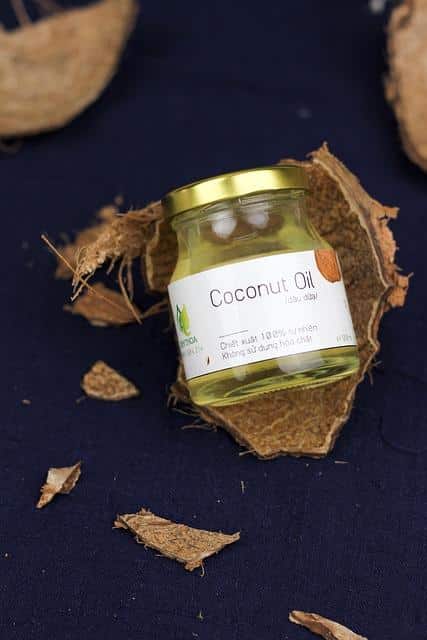
Certain natural remedies can promote healthy hair. Ingredients like castor oil, coconut oil, or rosemary oil can support hair health and growth when massaged into the scalp.
Professional Treatments
For more severe cases, dermatologists offer various treatments, from laser therapy to prescription medication. It’s always a good idea to explore these avenues if hair loss becomes distressing.
Conclusion: Staying Fabulous While on Eliquis
While it remains uncertain if Eliquis can cause hair loss, recognizing the multifaceted nature of hair health will help you navigate the journey gracefully. Awareness, proactive lifestyle choices, and open communication with healthcare professionals can create a supportive environment leading to optimal hair growth and overall well-being.
Embrace the journey with confidence, and remember, it’s not just about the hair that frames your beautiful face; it’s about how you feel inside too! Finding what works for you is essential, and in the process, don’t forget to cultivate your fabulousness in every way possible!
If you want more detailed information on blood thinners and their side effects, visit Mayo Clinic Guidelines on Eliquis.
When you approach your health with curiosity and care, you’re already a step closer to feeling fabulous and thriving!