Can Sjogren’s Cause Hair Loss? If you’ve ever been curious about the connection between Sjögren’s syndrome and hair loss, you’re not alone, sweetie! This autoimmune condition, which affects moisture-producing glands, can indeed lead to a multitude of symptoms, including dry eyes, dry mouth, and – you guessed it – hair loss. But why does this happen? Grab a cup of chamomile tea, settle in, and let’s explore this topic in depth!
Understanding Sjögren’s Syndrome
What is Sjögren’s Syndrome?
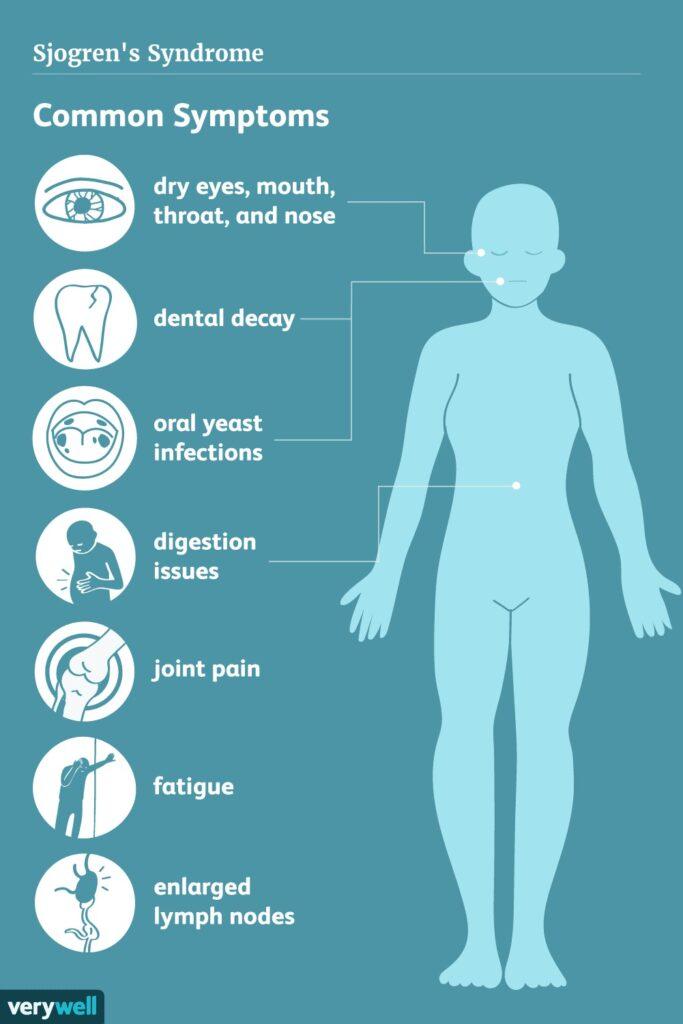
Sjögren’s syndrome is an autoimmune disorder that primarily targets the body’s moisture-producing glands. In other words, it’s like your body’s little diva decided it wasn’t going to produce enough tears or saliva anymore. Now, in addition to the dry eyes and dry mouth, some people may start to experience hair loss.
The Autoimmune Connection
In Sjögren’s syndrome, the immune system mistakenly attacks healthy cells, leading to inflammation and damage in various areas of the body. The exact cause remains somewhat of a medical mystery, but it’s thought that a mix of genetic and environmental factors may play a role. This autoimmune ambiance can stir the pot, leading to symptoms that extend beyond dryness.
Can Sjögren’s Cause Hair Loss?
The Link Between Sjögren’s and Hair Loss
So, can Sjögren’s cause hair loss? Yes, darling! When your body is under attack from an autoimmune condition, it can affect everything, including your luscious locks. Hair loss in people with Sjögren’s can occur for several reasons:
- Nutritional Deficiencies: The inflammation caused by the syndrome can interfere with nutrient absorption. If your body isn’t getting enough vitamins and minerals, your hair follicles can suffer, resulting in thinning hair or increased shedding.
- Stress: Living with Sjögren’s can be stressful, and we all know that stress is a sneaky little culprit when it comes to hair loss. The body’s fight or flight response can push hair into a shedding phase, known as telogen effluvium. Oh, the drama!
- Medications: The treatment plans for Sjögren’s often include immunosuppressants, which can potentially lead to hair thinning as well.
- Associated Conditions: Many individuals with Sjögren’s syndrome may also have other autoimmune disorders, such as lupus or rheumatoid arthritis, which themselves can lead to hair loss.
Types of Hair Loss with Sjögren’s
The type of hair loss can vary from one person to another:
- Telogen Effluvium: This is a temporary condition where hair sheds more than usual after a stressful event (hello, autoimmune flare-ups!).
- Alopecia Areata: Some people may develop this condition, where patches of hair fall out. It’s like a surprise haircut you didn’t ask for, and it can be quite upsetting!
Managing Hair Loss Associated with Sjögren’s
Strategies to Promote Hair Growth
So, now the million-dollar question: What can you do about it? Let’s sprinkle a little positivity into this situation! Here are some delightful strategies to consider:
- Balanced Diet: Ensure you’re packing your plate with nutrients that promote hair growth! Think of foods rich in Omega-3 fatty acids, iron, and vitamins A, C, D, and E. Go ahead and stock up on avocados, nuts, leafy greens, and salmon—you’ll be fab!
- Stay Hydrated: We all know how hydration is key—especially for our skin and hair! Drink plenty of water to keep everything fresh and fabulous.
- Scalp Care: Gentle scalp massages can improve circulation, which may help encourage hair growth. Plus, it’s a great excuse to pamper yourself!
- Consult a Dermatologist: A dermatologist can offer tailored treatment options, such as topical solutions or supplements that might help your hair. It’s like having a beauty guru for your scalp!
Emotional Support and Stress Management
Navigating the emotional rollercoaster of Sjögren’s can be tough. Consider incorporating stress-relief practices such as yoga, meditation, or simply sipping on herbal tea while enjoying your favorite cozy blanket. Connecting with support groups can also be incredibly uplifting—sharing stories or tips with those who get it can be a game changer!
The Importance of Professional Guidance
When to See a Doctor
If you suspect that Sjögren’s is affecting your hair, it’s essential to explore this with your healthcare provider or a specialist in autoimmune conditions. They can help evaluate your symptoms and adjust treatments to your unique needs. Remember, you deserve to feel good both inside and out!
Monitoring Changes
Monitor changes in your hair and scalp health closely. Keep a little journal, perhaps, where you jot down any fluctuations in your hair volume or emotional wellbeing—it can help to connect the dots.
Conclusion
can Sjögren’s cause hair loss? Absolutely, darling! It’s a little-known fact but one that many who live with the condition have to contend with. By understanding this connection, embracing a multifaceted approach to management, and staying proactive about self-care, individuals can navigate their hair journey with style and grace.
Whether you’re mixing a nutrient-rich smoothie or scheduling time for a calming bubble bath, remember that self-compassion is key. Treat yourself like the queen you are, and let your confidence shine through—hair or no hair! And remember, no matter what, you are not alone in this journey. For more information on related subjects, check out NIAMS and AARDA for valuable resources and support.
So, strut your stuff and embrace your fabulous self, because hair is just a part of the fabulous story that is YOU!