Can Nioxin Cause Hair Loss? Are you feeling a bit confused about this topic? You’ve heard all the buzz about Nioxin, its magic for thinning hair, and yet you’re wondering if it might actually be causing you more harm than good. Let’s dive into the world of hair care products, let down our hair, and clip some of those worries away!
Understanding Nioxin and Its Purpose
Nioxin is a brand that’s become synonymous with hair care aimed at thinning hair. Designed to create an optimal environment for hair health, Nioxin products generally focus on cleansing, nourishing, and thickening your locks. It’s all about creating that luscious, voluminous hair you’ve always dreamed of. But while it seems to have gained a reputation as a miracle worker, it’s essential to explore whether Nioxin can indeed affect hair loss, leading to your fabulous mane becoming a mere dream.
Components of Nioxin Products
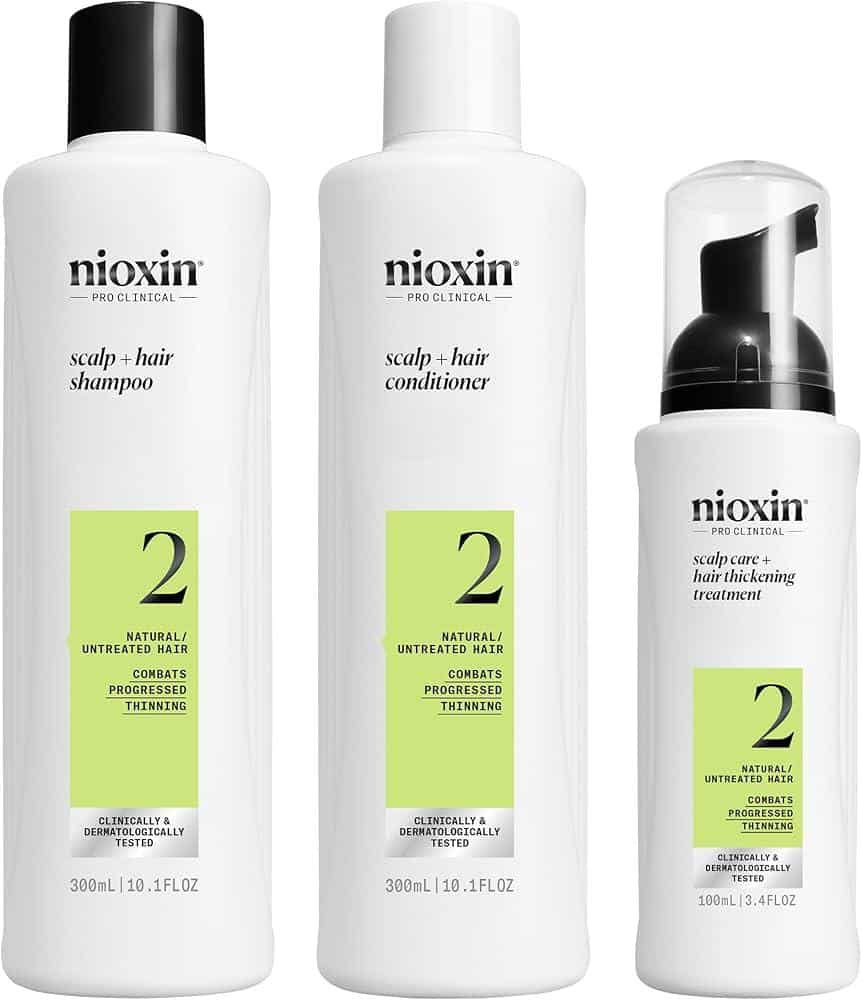
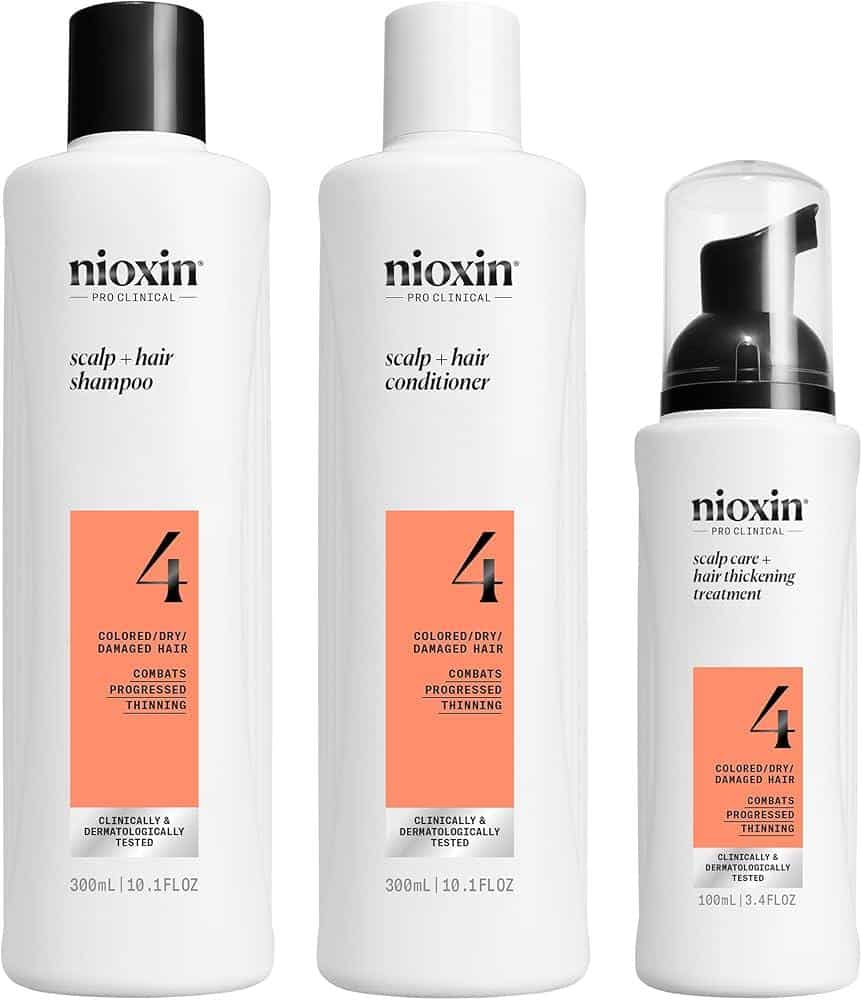
The products in the Nioxin line typically include shampoos, conditioners, and scalp treatments that contain a variety of ingredients. Here’s a breakdown of what you might find in these magical bottles:
- Cleansing Agents: These ingredients help remove buildup from hair and scalp, giving a fresh slate for new hair growth.
- Botanical Extracts: Nioxin contains chamomile, peppermint, and other botanical ingredients meant to soothe the scalp and improve hair health.
- Vitamins and Nutrients: Essential vitamins like B, C, and E are included to nourish the hair follicles.
This powerful combination is aimed at creating the perfect environment for hair regrowth, but that brings us back to the golden question: Can Nioxin cause hair loss? Let’s dive deeper!
How Nioxin Works on Your Scalp
To truly understand if Nioxin can cause hair loss, we must take a closer look at how it interacts with your scalp. The brand markets its line as a way to provide a healthy scalp environment, which is crucial for hair growth.
Natural Hair Growth Process
It’s imperative to realize that hair goes through growth cycles, including active growth (anagen), transition (catagen), and resting phases (telogen). When you introduce a new product like Nioxin, it can sometimes disrupt these cycles.
- Anagen: Active growth stage where your hair is its healthiest.
- Catagen: A short transition phase that lasts about 2-3 weeks.
- Telogen: The resting phase, which can last several months, before the hair eventually falls out, making way for new growth.
Understanding this process is essential because if your hair is shedding more than usual during the transition of introducing this new product, it may feel alarming.
Can Nioxin Cause Hair Loss Explained
So, can Nioxin cause hair loss? In most cases, it doesn’t cause hair loss directly. However, there are some factors to consider that might create a false impression of hair loss.
Possible Initial Shedding
When starting a Nioxin regimen, you might experience a period of increased hair shedding. While this can be disheartening, it’s often part of the adjustment process:
- Adjustment Period: As Nioxin cleanses the scalp, old damaged strands may fall out, creating the illusion of hair loss. This is generally temporary, and once your scalp adjusts, it should begin to show improvements in hair thickness and health.
- Disruption in Hair Cycle: Introducing new ingredients can temporarily disrupt the usual hair growth cycle until your scalp adapts.
Allergic Reactions
Another vital aspect to consider is the possibility of an allergic reaction:
- Skin Sensitivities: Though rare, some individuals may develop sensitivities to ingredients in Nioxin, resulting in unwanted reactions. This can lead to itching, redness, and irritation, which may make it feel like hair is falling out.
If you suspect that you may be experiencing an allergic reaction, it’s essential to discontinue use and consult with a dermatologist.
Not Everyone’s Cup of Tea
One of the most delightful things about the beauty industry is how diverse it is! What works wonders for someone might not be your match made in heaven.
Individual Hair Types
Hair types can greatly influence how products like Nioxin perform. For instance, if you have very fine or delicate hair, the specific ingredients might weigh your hair down instead of giving it that lovely volume we all desire.
- Fine Hair: Hair may become limp with higher oil build-up.
- Curly or Textured Hair: Some ingredients targeting oil may overly dry out your beautiful curls.
Understanding your hair type can help you find the best routine tailored to your needs.
Consumer Opinions on Nioxin
When navigating the world of hair care, it can be super helpful to see what others have experienced. Many users have had fabulous results with Nioxin, while others have reported less-than-stellar outcomes.
Let’s spill the tea—here’s a little compilation of some common consumer feedback regarding Can Nioxin Cause Hair Loss:
Positive Feedback
- Volume Boost: Many users rave about the instant volume they get from the products.
- Healthier Scalp: Improvements in scalp health and a reduction in dandruff or itchiness.
- Long-Term Growth: Some experienced faster and thicker hair growth after consistent use.
Negative Feedback
- Initial Shedding: Reports of temporary shedding are common, and while alarming, it should theoretically level out.
- Products Can Be Pricey: Some feel that the cost of maintaining a full regimen isn’t worth it.
Seeking Professional Advice
If you’re still concerned about whether Nioxin can cause hair loss, consulting a professional might be the best way to go. A trichologist (a hair and scalp specialist) or dermatologist can provide personalized assessments.
When to Seek Help
- Persistent Shedding: If you experience continuous hair loss instead of new growth after the adjustment period, a professional evaluation is crucial.
- Scalp Concerns: Redness, itching, or unusual sensitivity that doesn’t subside can signal a need for professional care.
Conclusion: Navigating Your Hair Journey
Ultimately, whether Nioxin can cause hair loss hinges on a multitude of factors, including individual reactions to its ingredients, hair type, and even previous hair health. While many marvel at its revitalizing powers, some may find it less forgiving.
Embracing the journey to healthy hair can seem daunting, but remember to choose products that resonate with your hair type and individual needs, listen to your scalp, and don’t hesitate to seek professional guidance when necessary. Here’s to finding your hair magic, one shampoo bottle at a time!
For more on optimizing your hair care routine, take a look at reputable resources like this study which dives deep into hair loss treatments, or check out Healthline’s articles for expert insights!