Can Nits Cause Hair Loss? It’s a question we often hear, especially among parents and those with luscious locks. While the initial reaction to the word “nits” may evoke a cringe-worthy shudder, the truth about their impact on hair health is a tale worth exploring. Nits, which are the eggs of lice, aren’t just a nuisance but can raise concerns about hair loss and overall scalp health. In this article, we’ll dive deep into the world of nits, their implications, and hair loss, exploring everything you need to know with a sprinkle of sass!
Understanding Nits and Lice
Nits are tiny, oval-shaped eggs laid by adult lice, usually found nestled close to the hair shafts and often mistaken for dandruff. But, darling, they are anything but! To understand can nits cause hair loss, it’s essential to first understand the critters that lay these pesky eggs.
What Are Nits?
Nits are the developmental stage of lice, sitting snugly on strands of hair, glued tightly in place. Here’s a fun fact: they can be quite difficult to spot! Typically white, yellow, or brown, nits can blend into different hair colors, making it a treasure hunt for those looking to clear their scalp. They can take about a week to hatch, leading to a parade of new lice which can lead to itchy and irritated scalps.
How Do Lice Affect Hair Health?
Lice feed on small amounts of blood from the scalp, and in doing so, can result in irritation and inflammation. These unwanted guests can drive one absolutely bonkers with constant scratching! But the question remains, can nits cause hair loss? Well, let’s break down the relationship between lice infestation and hair loss.
The Relationship between Lice, Nits, and Hair Loss
When answering can nits cause hair loss, it’s crucial to consider the consequences of untreated lice infestations.
Inflammation and Irritation
While nits themselves do not directly cause hair loss, the lice they hatch from can lead to intense scratching and irritation. Let’s paint the picture: when you scratch your scalp to relieve itching, it can create micro-tears in the skin. These tears might lead to further irritation or even secondary infections. As the body responds to inflammation, hair may become weaker and could potentially fall out.
Psychological Impact of Nits
Now let’s not ignore the emotional toll a lice infestation can take! The thought of having these little critters crawl around our heads can make anyone feel self-conscious. In severe cases, this can lead to anxiety which can contribute to hair loss over time. Stress-induced hair loss, medically termed telogen effluvium, occurs when hair follicles enter a resting stage, leading to shedding.
Poor Hair Care Practices
When dealing with a lice infestation, many people turn to harsh treatments, which may include medicated shampoos that contain ingredients known to be harsh on hair. Chemical treatments can strip hair of natural oils, leading to damage and breakage. Prolonged use of such products could crank up the chances of hair loss, making it a double whammy when battling nits.
How to Effectively Deal with Nits and Lice
So, if you’ve got nits, what’s a girl to do? Fear not; I’m here with solutions that are gentle yet effective in tackling nits without sacrificing the health of your beautiful hair.
Prevention is Key
One of the best ways to avoid the drama of lice is by practicing preventive measures:
- Regular checks: Especially for kids, make it a routine to check for nits and lice in the hair, particularly behind the ears and at the nape of the neck.
- Avoid sharing personal items: Hairbrushes, hats, and towels are major carriers of lice. Encourage your loved ones to keep their hair care items to themselves.
- Teach proper hair care: Ensure that long hair is styled up in braids or buns, as this minimizes chances of bugs hopping onto the hair.
Natural Treatments
For those who prefer to go the natural route, jump onto the herbal bandwagon with these remedies proven for their efficacy:
- Tea tree oil: This aromatic essential oil has lice-repelling properties. Just mix a few drops into your shampoo or create a spray with water.
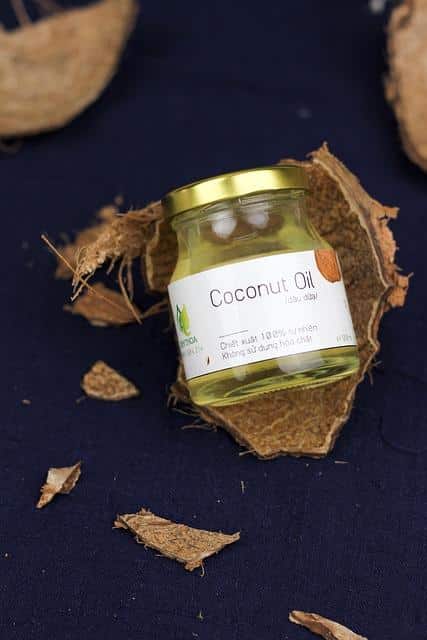
- Coconut oil: A thicker oil, it can suffocate lice when applied generously. Just be prepared for some serious scrubbing to get it out!
- Vinegar rinse: After a shampoo, a vinegar rinse can help loosen nits from the hair shafts! Just mix equal parts water and vinegar for a tangy treatment!
Professional Lice Treatment
If you’re facing a full-blown infestation, consider seeking help from professionals who provide lice removal services. They’re equipped with the right tools and treatments that ensure effective removal, reducing the risk of hair damage.
Follow-Up Routine
After the initial treatment, it’s essential to follow up with thorough combing and regular checks to avoid any resurgence of nits. Patience is key, and giving the scalp regular love and care can promote healthy hair growth post-infestation.
Conclusion: Addressing the Myths and Realities of Nits and Hair Loss
So, can nits cause hair loss? While they might not directly damage your fabulous locks, the effects of lice infestations definitely lead to situations that could result in hair loss. From inflammation and emotional distress to harsh treatments that could lead to weakened hair, it’s a delicate dance we must navigate when handling these little bugs. The best plan of action? Keep your hair clean, check regularly, and don’t be afraid to reach out for help if needed. With a little extra TLC, you’ll have silky, healthy hair that’s ready to shine—nits be gone!
Remember, staying informed is key. For further reading or in-depth guides on lice and nits, check out the CDC’s Lice Information and American Academy of Pediatrics for trusted resources. Your journey towards nits-free hair can definitely be a fabulous one!