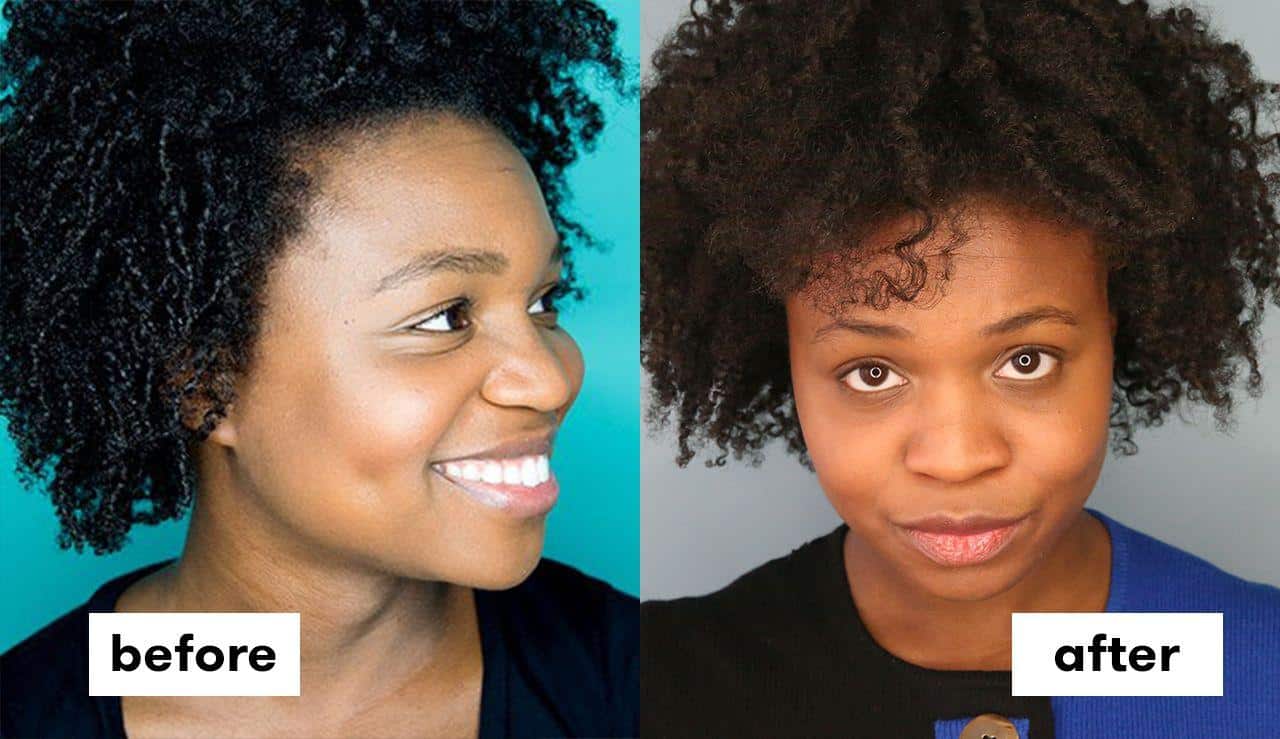
How To Treat Heat Damaged Hair?
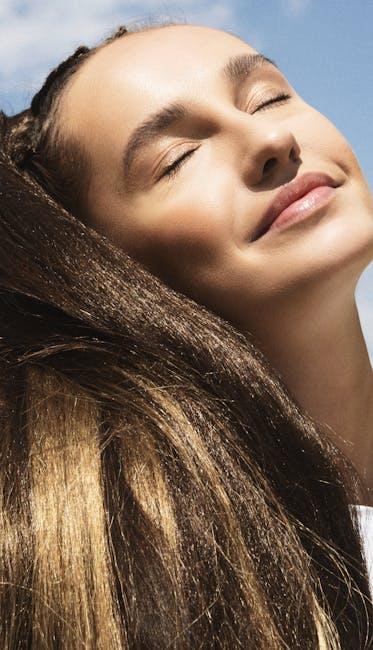
Let’s face it, everyone loves a good blowout or that sleek, straight look we achieve after a long session with a flat iron. But oh my goodness, those hot tools can wreak havoc on our precious locks! If you’ve ever looked in the mirror and thought, “What on earth happened to my hair?” then you’re likely dealing with the aftermath of heat damage. No worries, darling! I’m here to spill the tea on how to treat heat damaged hair effectively. Let’s dive in and bring that shine back to your fabulous tresses!
Understanding Heat Damage
Heat damage occurs when your hair is exposed to high temperatures from styling tools, such as curling irons, straighteners, and blow dryers. This can result in a host of not-so-cute issues, including dry, brittle hair, split ends, and loss of elasticity. It’s like your hair’s saying, “Help me!” In order to begin the healing process of treating heat damaged hair, it’s crucial to first understand what exactly is happening to those gorgeous strands.
Why does heat damage hair, you ask? Well, heat can strip your hair of its natural moisture and degrade the protective layer of the hair shaft, leaving it vulnerable and weak. Yikes! This not only causes breakage but can also lead to that dreadful frizz we all dread. To get your hair back to its original beauty, let’s consider some effective treatments!
Choosing the Right Products for Heat Damage
When considering how to treat heat damaged hair, the first step is all about product selection. Using the right products can dramatically improve the quality of your hair and support its recovery from heat stress. Here are some must-have products:
- Moisturizing Shampoos and Conditioners: Look for formulas enriched with hydrating ingredients like jojoba oil, argan oil, or shea butter. These ingredients will help to replenish moisture and restore shine.
- Deep Conditioning Treatments: Once or twice a week, treat yourself to a deep conditioning mask. Seek out ones that contain protein, as this can help to repair the hair’s structure.
- Leave-in Conditioners: These can be extremely beneficial after washing your hair. They help to lock in moisture, offering protection against future heat styling.
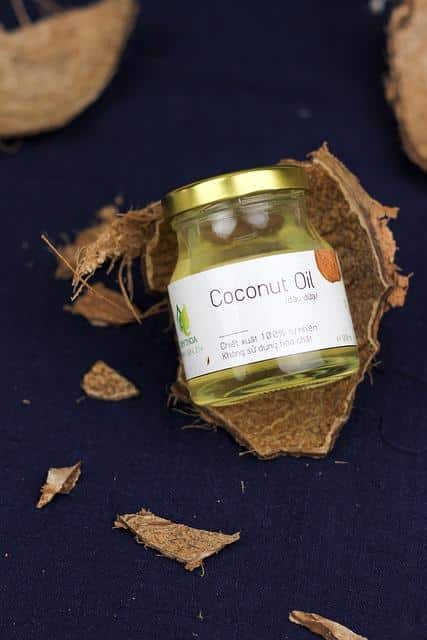
- Hair Oils and Serums: Lightweight oils like argan or coconut oil can add shine and protection. Apply them to your hair when it’s damp for the best results.
Next, let’s get into some fabulous tips on using these products effectively!
Daily Routine Modifications for Heat Damaged Hair
When figuring out how to treat heat damaged hair, it’s also essential to rethink your everyday hair routine. Making a few adjustments can do wonders for your hair’s health.
Avoiding Heat Styling Tools: The best way to treat heat damaged hair is to give your tresses a break from the heat. Put down the curling wand and embrace your natural texture!
Air Drying: Instead of blow-drying, try air drying your hair whenever possible. If you absolutely must use heat, opt for a heat protectant spray to create an added layer of protection.
Brushing with Care: Use wide-tooth combs or brushes designed for wet hair to minimize breakage. Gentle handling can make a huge difference!
Protective Hairstyles: Embrace style options that protect your hair, like braids or updos. Not only do they look cute, but they also prevent further damage from environmental stressors.
Nourishing Your Hair Inside and Out
When considering how to treat heat damaged hair, we can’t overlook the importance of nurturing our strands from within! Keeping your hair healthy requires a little TLC outside of your cosmetic products.
– Hydration is Key: Drink plenty of water to keep your scalp and hair hydrated.
- Healthy Diet Choices: Incorporate foods rich in vitamins A, C, D, E, and omega fatty acids, like avocados and fish, to promote healthy hair growth.
- Biotin Supplements: Consult a healthcare provider about adding biotin to your routine. Biotin is known to strengthen hair and promote growth.
Weekly Regimens for Smoother Hair
How to treat heat damaged hair not only requires daily changes but also a solid weekly regimen! Here’s a handy breakdown of what your week might look like in terms of hair care:
- Monday: Use a deep conditioning mask after shampooing and leave it on for at least 15 minutes.
- Tuesday: Apply leave-in conditioner and practice air drying.
- Wednesday: Do a light scalp massage with a nourishing oil treatment.
- Thursday: Avoid any heat styling; try a fun braid instead!
- Friday: Treat your hair to a protein-rich mask to strengthen it against future damage.
- Saturday: Give it a gentle wash and apply a smoothing serum.
- Sunday: Relax! Whether it’s a silky bun or a loose wave, let your hair breathe.
Professional Treatments to Consider
If you find yourself wondering how to treat heat damaged hair and your DIY methods aren’t cutting it, it might be time to consider professional treatments. Salons offer specialized services tailored for restoring heat-damaged hair, including:
- Keratin Treatments: Smooths frizz and restores moisture.
- Protein Treatments: Helps rebuild the hair shaft and strengthen weak strands.
- Hair Spa Treatments: Provides hydration and rejuvenation through heavy conditioning and scalp massages.
Importance of Regular Hair Trims
In addition to product care and nurturing from the inside, regular trims play a crucial role in treating heat damaged hair. Split ends can travel up the hair shaft and lead to even more damage, so scheduling trims every six to eight weeks can help maintain your lovely locks and promote healthier growth.
Incorporating a Heat Protection Routine
When styling is unavoidable, understanding how to treat heat damaged hair includes implementing a solid heat protection routine. Here are some hot tips for styling safely:
- Always Use a Heat Protectant: Never style without applying a heat protectant first. This creates a barrier between your hair and heat.
- Lower the Temperature: Where possible, use the lowest effective setting on your styling tools. Just because they go up to 450°F doesn’t mean you should set them there!
- Limit Style Duration: Move quickly when styling, and avoid keeping tools in direct contact with the hair instead of tugging or dragging them down your strands.
Lifestyle Changes that Support Hair Health
Lastly, let’s talk about lifestyle changes that can go a long way when it comes to how to treat heat damaged hair. Stress, poor sleep, and environmental factors can all impact hair health. Here are a few friendly reminders:
- Get Enough Sleep: Your body—and hair—needs recovery time!
- Manage Stress: Find fun, relaxing activities that make you smile.
- Limit Chemical Treatments: Dye and bleach can exacerbate heat damage, so opt for more natural colors or take breaks between treatments.
Conclusion
Treating heat damaged hair is truly a journey, but with the right products, routines, and a little nurturing, you’ll be well on your way to restoring your fabulous curls, waves, or straight locks. Don’t forget to give yourself some grace along the way and keep that gorgeous smile on your face while you pamper those precious strands! For more information on hair care tips, check out leading resources like Healthline and Byrdie. Remember, your hair is a beautiful crown that deserves all the love it can get—so treat it well!