Will Lice Cause Hair Loss? Let’s Check the Facts!
Ah, lice. Just the mention of these tiny critters can send shivers down your spine. As if finding a single strand of gray poking through your luscious locks isn’t terrifying enough, you might be left asking: Will lice cause hair loss? Let’s dive into the nitty-gritty of these unwelcome guests and their potential impact on our beautiful tresses.
Understanding Lice and How They Operate
What Are Lice?
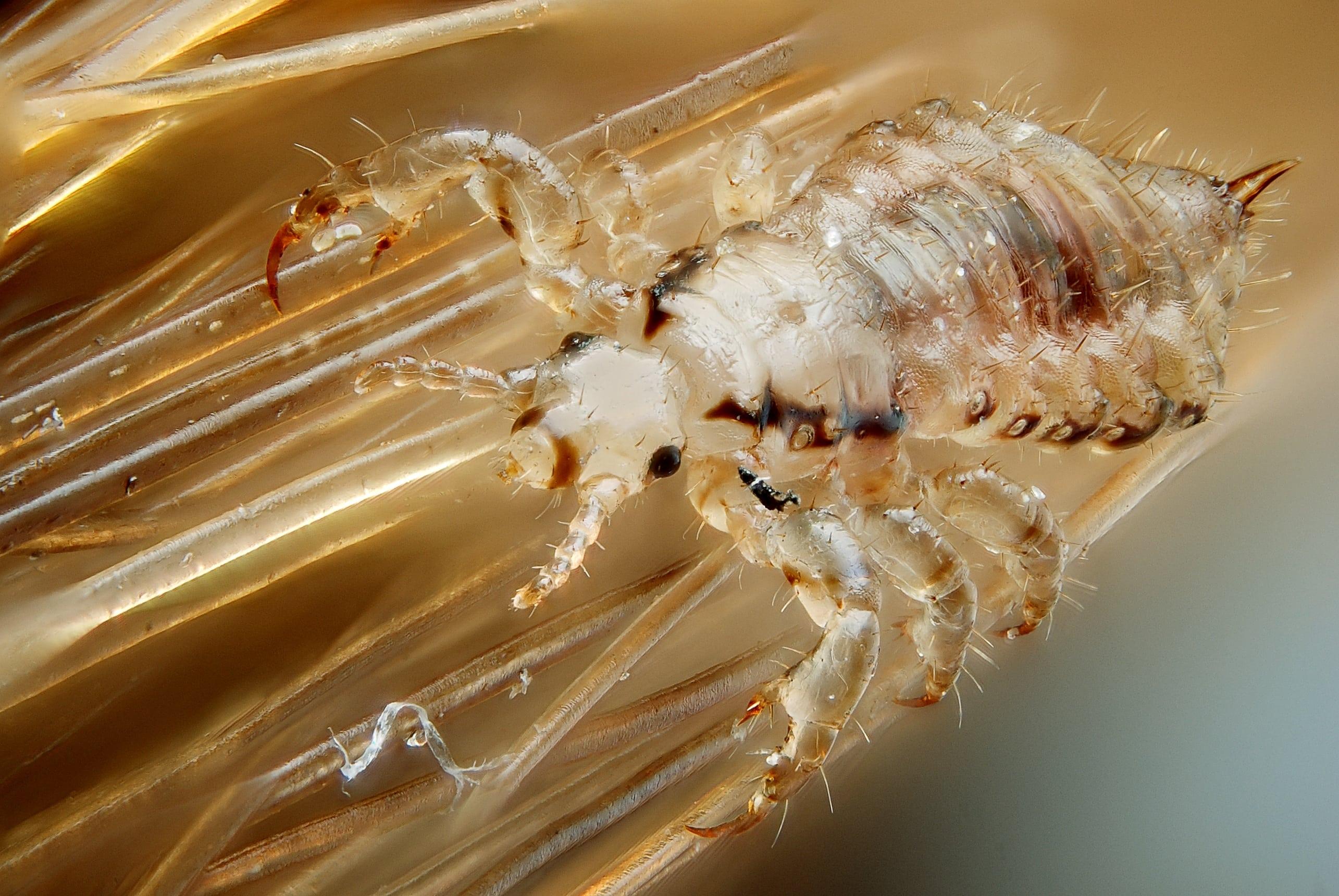
Lice are pesky parasites that live on the scalp and feed on our blood. Yikes! These little villains are wingless insects with six legs, and they thrive on human hair, laying eggs (or nits) which stick to the hair shaft close to the scalp. The primary types of lice affecting humans include:
- Head lice (Pediculus humanus capitis) – The most common type, primarily found in children’s hair.
- Body lice (Pediculus humanus corporis) – Generally live on clothing and migrate to the skin to feed.
- Pubic lice (Pthirus pubis) – Commonly found in the pubic area but can appear in other coarse body hair.
Knowing what lice are can help us better understand the big question: Will lice cause hair loss?
How Do Lice Affect Hair?
Lice’s favorite snack is human blood, which is alarming because, yes, they bite! When they feed, they inject saliva into the scalp, which can cause itching and irritation. Most of the time, intense itching leads to scratching, and here’s where the hair loss potential enters the picture.
When an individual itches their scalp excessively, they can cause damage to the hair follicles and, in some cases, even lead to conditions like alopecia. So in that sense, lice don’t directly cause hair loss, but their presence can trigger actions (like scratching) that do.
The Effects of Scratching on Hair
Hair Follicle Damage
Excessive scratching can lead to hair follicle damage. When the scalp is injured, hair may fall out as a result. Here are some points to consider:
- Inflammation: Scratching leads to inflammation around the hair follicles, which can disrupt the hair growth cycle.
- Breakage: Hair strands can become weak and brittle due to constant pulling or trauma from scratching.
Secondary Infections
When we scratch, we can also open up our skin to the possibility of secondary infections. These can further exacerbate inflammation and lead to hair loss. So, although lice themselves may not cause hair loss, the resultant behaviors certainly can.
Dealing with Lice Infestations
How to Identify Lice
Identifying an infestation can be tricky, but here are some things to look for:
- Bites on the scalp: Causes itching.
- Visible lice or nits: Check the scalp, especially around the ears and back of the neck.
- Scratching: Constant scratching usually indicates an issue.
Treatment Options
Effective treatment can help eliminate lice and lessen the potential for hair loss:
- Over-the-counter treatments: There are many shampoos and topical treatments available that are effective against lice.
- Home remedies: Some swear by natural methods, such as tea tree oil or coconut oil, but efficacy can vary.
- Combing: Using a fine-toothed comb can help remove nits and lice.
Always be sure to follow the treatment directions exactly as stated to avoid further issues. You can also find more about treatments at reputable sources like the Mayo Clinic.
Is Hair Loss Common with Lice Infestation?
Statistics and Cases
While hair loss is not a common outcome for most people dealing with lice, it can happen depending on the severity of the infestation and the individual’s reaction to the itching. Let’s break down a few points:
- Mild Infestation: Usually results in minimal hair loss.
- Severe Infestation: Intense itching and scratching can lead to localized hair loss.
Recovery and Hair Regrowth
The good news is that most people will experience regrowth once the lice are treated. Here’s what you need to keep in mind:
- Post-treatment care: Be gentle with your hair post-infestation to avoid additional trauma.
- Hair nurturing: Consider using nourishing shampoos and conditioners that promote hair health and growth.
Preventing Lice and Infestation
Strategies for Prevention
If your hair is your crown, you’d want to treat it with care! Here are some prevention tips to keep those nasty lice at bay:
- Avoid close contact: Lice are easily spread through direct head-to-head contact.
- Don’t share personal items: Avoid sharing hats, brushes, or hair accessories with others.
- Frequent checks: Regularly check your children’s hair, especially if they’re in close-contact situations like schools or camps.
Important Hygiene Practices
Keeping things tidy can significantly lessen the chance of a lice invasion. Consider these habits:
- Regular hair washing: Use mild shampoos that suit your hair type.
- Clean bedding and clothing: Frequently wash bed linens, hats, and clothing in hot water and dry them on high heat.
Conclusion: Will Lice Cause Hair Loss?
As we wrap things up, it’s clear that will lice cause hair loss is a question with an indirect answer. While lice don’t physically cause hair loss, the scratching and inflammation they lead to can certainly result in some hair woes. Staying vigilant and practicing excellent preventive measures will help keep our lovely locks luscious and lice-free! Remember, knowledge is power, and when it comes to lice, who wants to share their crown? No way, not this girl!
In case you feel extra curious about lice and their effects, check out the CDC for more detailed information!