How To Use Clobetasol Propionate For Hair Growth? If you’ve ever found yourself stressed over hair thinning or hair loss, you’re not alone. Many individuals are on the lookout for effective treatments, and Clobetasol Propionate has emerged as a noteworthy contender. This super potent topical corticosteroid is generally hailed for its anti-inflammatory properties and its ability to tackle various skin disorders, but it turns out it can also be a hero for our lovely locks. Let’s dive into the fabulous world of using Clobetasol Propionate for hair growth!
Understanding Clobetasol Propionate
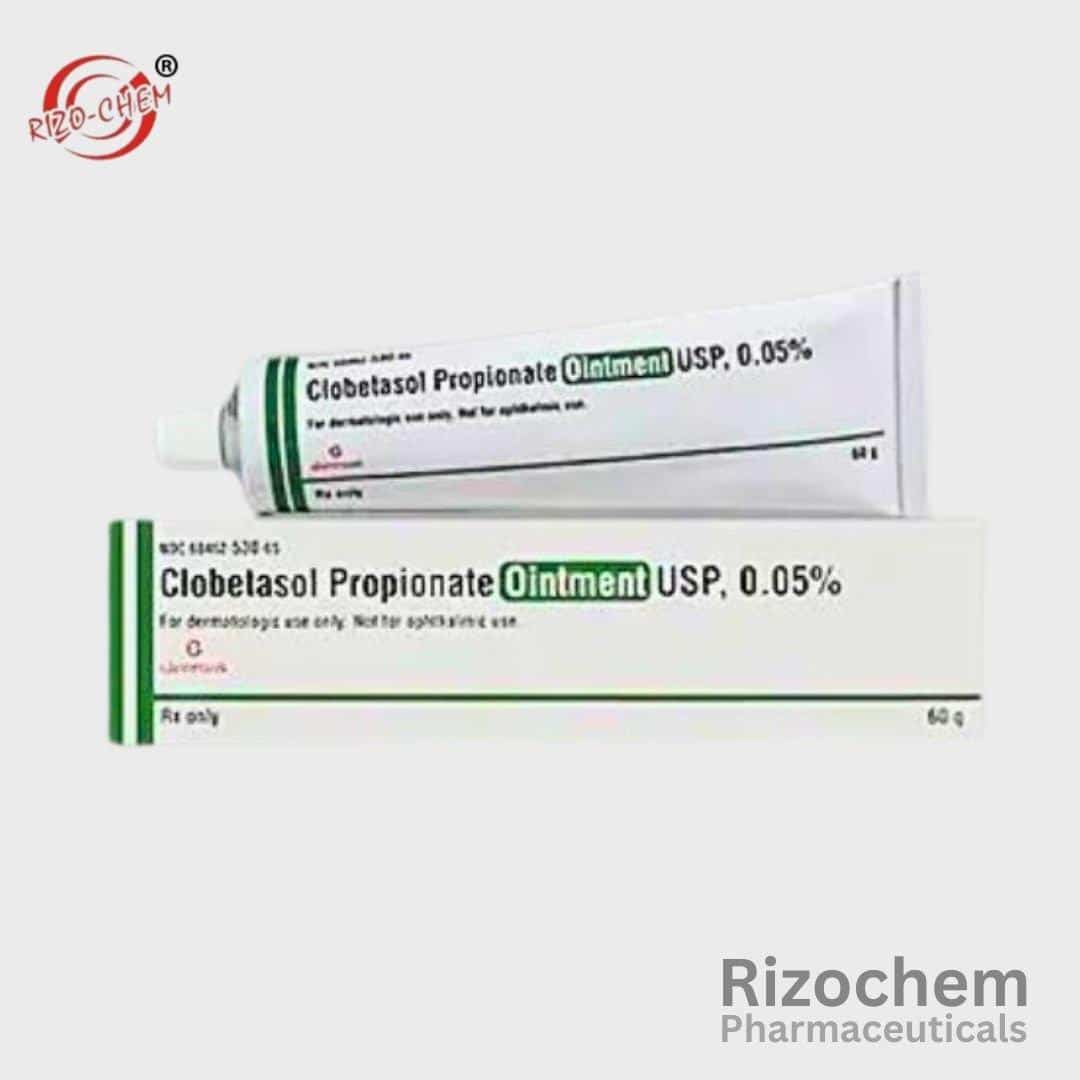
Clobetasol Propionate is a super-strength corticosteroid that’s commonly used to treat skin conditions like eczema, psoriasis, and dermatitis. It works by reducing inflammation and immune responses, which can often lead to hair shedding when triggered by skin issues. While hair growth isn’t its primary function, understanding how to use Clobetasol Propionate for hair growth is essential for those seeking thicker, denser hair.
Clobetasol Propionate comes in many forms, including creams, ointments, and solutions. When using it for hair growth, it’s most commonly found in solution form for ease of application on the scalp. Its strength means that it should be used cautiously and typically under the guidance of a healthcare professional.
How Clobetasol Propionate Promotes Hair Growth
Anti-Inflammatory Effects
When applying Clobetasol Propionate, its anti-inflammatory properties play a vital role in promoting hair growth. Conditions such as alopecia areata, where the immune system mistakenly attacks hair follicles, can be lessened with this medication. By reducing inflammation and calming the scalp, Clobetasol allows dormant hair follicles to become more active, promoting the growth of new hair.
Increased Blood Circulation
Another interesting aspect of Clobetasol Propionate is its potential to improve blood circulation in the scalp. Proper blood flow is crucial for hair nourishment. More nourished hair follicles lead to stronger and healthier hair growth. Although not inherently designed for this purpose, each application might help restore vitality to your precious tresses.
How To Use Clobetasol Propionate For Hair Growth
Using Clobetasol Propionate might seem as easy as pie, but there’s a little more to it than just slathering it onto the scalp. Here’s a step-by-step guide:
Step 1: Consult Your Dermatologist
Before dousing your scalp in Clobetasol Propionate, it’s essential to have a heart-to-heart with your dermatologist. They’ll assess whether this treatment is right for you and advise on dosages and durations. Yes, this step is necessary to ensure you avoid any nasty side effects – address any health concerns early!
Step 2: Clean Your Scalp
Start your routine by gently washing your hair with a mild, sulfate-free shampoo. This step helps clear away dirt and oils, making it a cozy environment for Clobetasol to work its magic. Pat your hair dry with a towel, and make sure it’s not dripping wet when applying the medication.
Step 3: Application
Using a dropper, apply a small amount of Clobetasol Propionate directly onto the affected areas of your scalp. Gently massage it in with your fingertips—no need to go wild here! You want to ensure it penetrates without irritating your lovely locks.
Step 4: Frequency of Application
Most dermatologists recommend applying Clobetasol Propionate once or twice daily. However, always adhere to your doctor’s advice for the best results. Overuse can lead to potential side effects, such as skin thinning or irritation.
Step 5: Monitor and Adjust
Keep a close eye on your scalp and hair growth. Some may see improvements in a matter of weeks, while others may take a little longer. Be patient – beautiful things take time! If irritation occurs or you don’t see any improvements after a few months, touch base with your dermatologist for further evaluation.
Possible Side Effects and Considerations
While Clobetasol Propionate can work wonders, it’s essential to be aware of its potential side effects. A few people may experience:
- Skin irritation: Redness or a burning sensation is common, especially if used excessively. Fret not; this can often be managed by adjusting the application frequency.
- Hair follicle damage: Prolonged use might potentially damage hair follicles, leading to weaker hair strands.
- Systemic absorption: In rare cases, Clobetasol can be absorbed into the bloodstream, potentially leading to more serious side effects.
To minimize risks, it’s crucial to follow your dermatologist’s advice and use the product as directed.
Complementing Clobetasol Propionate with Other Treatments
Hair Growth Supplements
Clobetasol Propionate can be even more effective when paired with hair growth supplements. Nutrients like biotin and folate support healthy hair from the inside out, enhancing your Clobetasol routine.
Topical Minoxidil
Consider adding minoxidil to your regime. This popular hair growth treatment stimulates hair follicles and can work alongside Clobetasol for amazing results.
Scalp Massages
Who doesn’t adore a good scalp massage? Incorporating this relaxing ritual while applying Clobetasol Propionate can improve blood circulation even further, giving your hair an extra boost!
Conclusion on How To Use Clobetasol Propionate For Hair Growth
Clobetasol Propionate can indeed be a game-changer for hair growth when used correctly. With its anti-inflammatory properties and ability to rejuvenate stagnant hair follicles, it holds much promise. However, it’s always important to consult with a dermatologist to ensure a safe and effective treatment.
By understanding how to use Clobetasol Propionate for hair growth and incorporating it into a holistic hair care regime, you might just find yourself flaunting that full, luscious mane you’ve always dreamed of! Here’s to dazzling hair days ahead! Remember, taking care of yourself is the best style statement. Embrace the shiny, happy you!
Link to additional research about corticosteroids and hair loss.
Stay fabulous!