Makeup has woven itself into the fabric of human history, serving as a delightful expression of individuality and beauty. But why was makeup created? There’s a captivating story behind this colorful, glitzy world we adore. Makeup is so much more than just a tool for beauty; it reflects culture, society, and even psychology.
We kick off this delightful journey into the colorful cosmos of makeup by diving into its origins, uncovering how and why it was created and how it has transformed over time.
Origins of Makeup in Ancient Civilizations
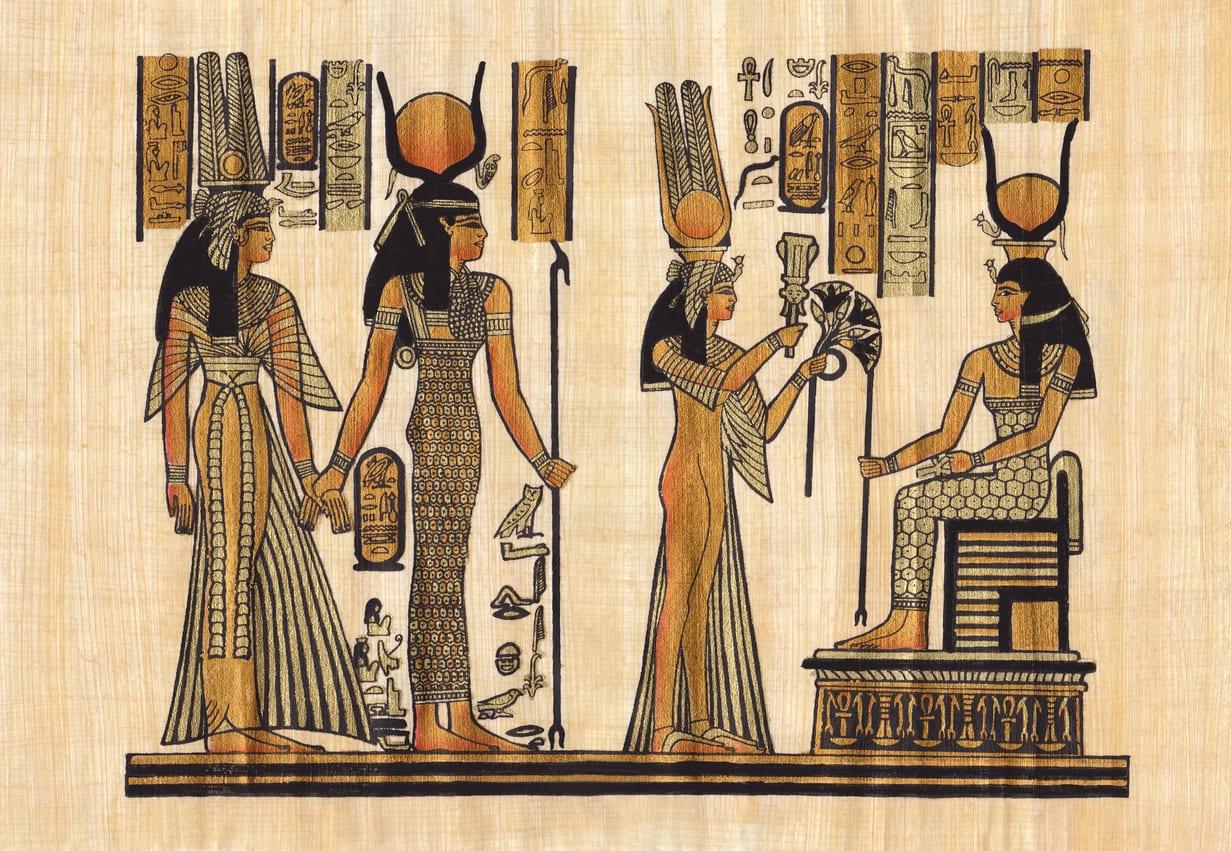
Makeup can be traced back thousands of years! To answer the question, why was makeup created, we must travel back in time to ancient Egypt, where both men and women adorned their eyes with kohl. Imagine the sands of the Nile and Pharaohs showcasing their fierce yet fabulous eyes! The Egyptians didn’t just slap on some eyeliner for fun – oh no! They believed that makeup had protective qualities. Kohl was thought to ward off evil spirits, while shielding the eyes from the harsh sun. Talk about a multi-functional beauty product!
Moving a little further in history, we pop into ancient Greece, where beauty was worshipped. Greek women utilized pale powders made from lead and chalk to achieve that picture-perfect porcelain complexion. However, we now know that beauty trends have a dark side. Unfortunately, lead is toxic (surprise, surprise!), which serves as an early example of beauty at the cost of health. Oopsie! The Greeks saw makeup as a means of enhancing beauty and status — who doesn’t love a good glow-up?
Cultural Significance of Makeup
Now, let’s whisk ourselves into the realm of cultural significance regarding why was makeup created! Makeup isn’t just about looking cute; it has played vital roles in rituals, social status, and self-expression across various societies. In some cultures, specific colors were used to symbolize certain emotions or life stages. For instance, red often represents power and passion, making it a staple in many cultures.
From the Geishas of Japan who meticulously crafted their appearance to showcase artistry, to the Indian tradition of applying henna, every brushstroke and dab of color has meaning and significance. In these contexts, makeup becomes a celebration of identity, tradition, and artistry. We can see clearly that the answer to why was makeup created stretches beyond vanity; it embodies culture, history, and community.
Makeup in Modern Times
Fast forward to today, and makeup has evolved into a global phenomenon! Thanks to social media platforms like Instagram and TikTok, beauty trends and tutorials reach the far corners of the world in a snap. Before the digital age, beauty was often dictated by local trends, but now, individuals can experiment and adopt styles from various cultures and eras, showing off their creativity through makeup.
A powerful reason for the creation of modern makeup was to give women the liberty to express themselves! The empowerment movement in the 20th century encouraged women to embrace their individuality, breaking away from societal norms. Today, makeup isn’t solely about conforming to beauty standards; it’s a canvas for self-expression and exploring one’s identity. Whether someone wants a natural glow for brunch with friends or a bold, smoky eye for a night out, the reasons behind wearing makeup remain deeply personal and varied.
Influence of Celebrities and Trends on Makeup Creation
Can we talk about how celebrity influence has played a huge role in why makeup was created? From Marilyn Monroe’s iconic red lipstick to Rihanna’s Fenty Beauty line promoting inclusivity in shades, the world of cosmetics has been revolutionized by those in the spotlight. Stars amplify trends, and suddenly, everyone wants that “look.” Collaborations between makeup brands and celebrities have become mainstream. Brands launch lines inspired by celebs, and beauty fanatics rush to grab the latest looks, further pushing the narrative of the beauty industry.
As we contemplate why makeup was created, one cannot ignore the dual-edged sword of influence. It serves as inspiration but can also create unattainable beauty standards. This conundrum raises discussions about body positivity and authenticity within the makeup community, fostering dialogue around how to navigate beauty in a healthy way.
The Psychology Behind Makeup Use
Another fascinating facet of why was makeup created revolves around psychology. Research shows that wearing makeup can boost confidence levels and self-esteem. When someone looks good, they feel good! It bridges the gap of insecurities and empowers individuals to exhibit their personality without saying a word.
In a world that sometimes critiques external appearances, makeup can be a wonderful armor. Whether it’s a coat of mascara before a presentation or a touch of lipstick before a date, makeup often acts as a mood booster. This is one of the main reasons many individuals turn to cosmetics, not just to enhance their beauty but also as a source of confidence and comfort.
Diverse Forms and Applications of Makeup
Makeup comes in various forms—liquid, powder, cream, stick, and more! It transcends dimensionality in texture and manifestation. So in response to why was makeup created, consider its versatility! Every type of makeup is designed to cater to different preferences and needs. From foundation that feels weightless to lip colors of every imaginable hue, there’s something for everyone.
The development of vegan and cruelty-free cosmetics also reflects our evolving understanding of ethical considerations within the beauty space. Makeup is now not just about aesthetics; it encompasses values that resonate with consumers’ beliefs, allowing them to feel good from the inside out.
Popular Makeup Trends Through the Ages
The beauty of makeup is its ephemeral nature—trends come and go, shifting our understanding of beauty along the way. Here’s a delightful little table showcasing some popular makeup trends throughout history:
| Era | Popular Makeup Trends |
| 1920s | Flapper style with dark lips and smoky eyes |
| 1950s | Classic red lips and winged eyeliner |
| 1980s | Bright colors and bold, dramatic looks |
| 2000s | Neutral shades and barely-there makeup |
| 2020s | Glowing skin, natural makeup, and focusing on wellness |
These trends highlight the ongoing conversation about what constitutes beauty and how personal and cultural influences shape the chapters of our makeup history. Each decade plays an instrumental role in redefining makeup’s purpose, reiterating that the foundation of why was makeup created is a reflection of society and its ever-changing ideals.
Conclusion: Makeup as a Form of Empowerment and Expression
As we’ve explored the vast landscape of makeup and pondered why was makeup created, we see that makeup is much more than skin-deep. It represents history, culture, self-expression, and empowerment. Whether enhancing one’s natural beauty or simply having fun with colors and textures, makeup allows individuals to showcase their creativity boldly and unapologetically.
Today, makeup stands as a testament to the rich tapestry of human experience, telling stories of racial diversity, inclusivity, and self-acceptance. As we continue to explore the evolution of makeup, it becomes clear that it is not just about looking flawless; it’s about embracing uniqueness and celebrating the beauty within. What a fabulous narrative we are all a part of!
For further insights into the history and impact of makeup, feel free to check out these resources: History of Makeup and Makeup Artists’ Top Beauty Tips. Remember, darling, makeup is not just a tool; it’s a form of art and self-love!