Why Does Hair Dye Burn? Picture this: you’re on the verge of transforming your hair from blah to fabulous. You mix up your favorite dye, slather it on, and then—oh, the horror!—your scalp starts signaling SOS. So, why does hair dye burn? Let’s dive into the nitty-gritty of those fiery sensations that can turn a self-care day into a not-so-fabulous nightmare.
Understanding Hair Dye Chemistry
To truly grasp why hair dye burns, we need to dive into the chemical cocktail that makes up your favorite color.
The Science Behind Hair Dye
Hair dyes can be split into two categories: permanent and semi-permanent. Permanent hair dyes typically contain stronger chemicals like ammonia and hydrogen peroxide, while semi-permanent ones tend to be gentler but might still have harsh ingredients.
Key Ingredients in Hair Dye
Let’s break down the common ingredients that can lead to burning sensations:
- Ammonia: This little villain opens up the hair cuticle to allow color to penetrate. While effective, it can also irritate the scalp and cause that burning sensation.
- Hydrogen Peroxide: This ingredient bleaches your natural color and activates the dyes. But, just like ammonia, it can also lead to scalp sensitivity.
- PPD (p-Phenylenediamine): A common allergen found in many hair dyes that can cause reactions ranging from mild scalp irritation to severe burns.
Why the Burning Sensation Occurs
When these chemicals are applied to your hair, they can be quite aggressive. If your skin is sensitive, the inflammation can lead to that characteristic burning sensation. Here’s why:
- Skin Barrier Breakdown: Hair dye can disrupt your scalp’s natural barrier, leading to irritation where the dye comes in contact.
- Allergic Reactions: Some people may develop an allergic reaction to certain ingredients, causing inflammation and burning.
- Prolonged Exposure: Leaving dye on for longer than recommended can cause increased irritation, leading to a more intense burning feeling.
Identifying Sensitive Scalp Symptoms
Recognizing how your scalp reacts can be crucial when using hair dye. Let’s explore the symptoms a little deeper.
Common Symptoms of Scalp Sensitivity
Using hair dye can bring forth various reactions, from mild discomfort to full-blown drama. Here are some common symptoms to watch out for:
- Slight Itching: A little tickle can be completely normal. But if it escalates, do take notice!
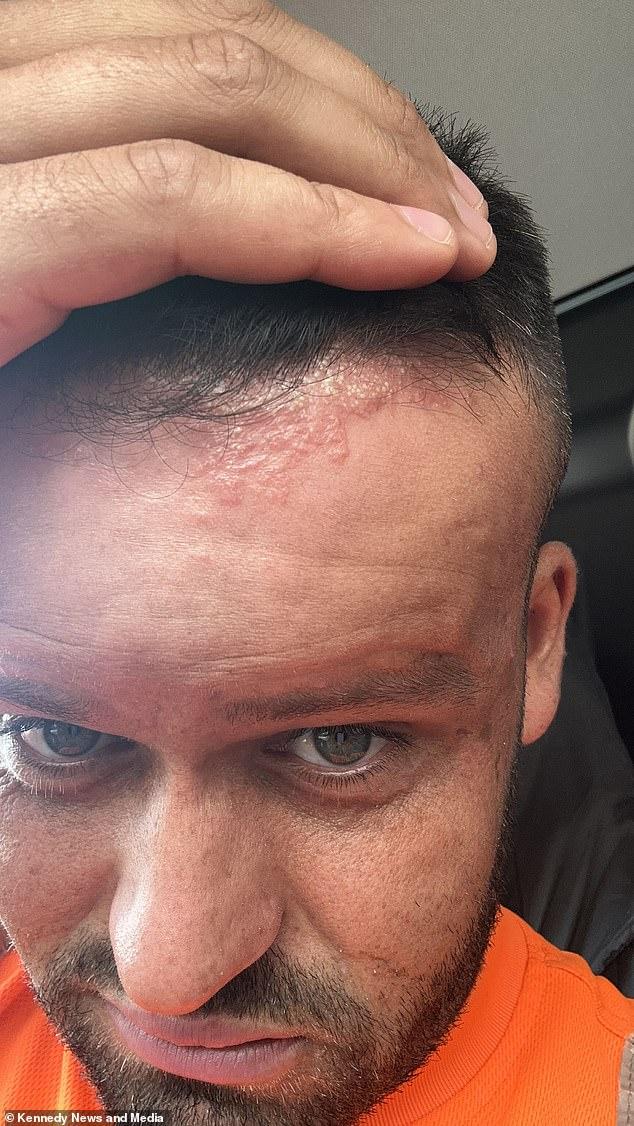
- Redness: If your scalp looks like it just returned from a sunny beach vacation, it’s probably time to wash out the dye.
- Burning Sensation: This is the star of the show! A burning feeling may mean that it’s best to rinse immediately and seek out something gentler next time.
- Flaking or Peeling: This happens when the scalp gets too irritated, and in extreme cases, it could lead to skin damage.
Preventing Hair Dye Burn
You don’t have to shy away from coloring your hair. With a little preparation and care, you can minimize the risks of burning. Let’s discuss some foolproof ways to keep that scalp happy!
Tips for a Successful Dye Job
- Patch Test: Always perform a patch test 48 hours before coloring. Apply a small amount of dye on a discreet area of skin to check for any adverse reactions.
- Use Gentle Formulas: Opt for ammonia-free or hypoallergenic dyes that are less likely to irritate your scalp.
- Mind the Application: Avoid overlapping hair dye on already colored hair to minimize scalp exposure.
- Follow Instructions: Stick to the timing advised to avoid excessive irritation from prolonged exposure.
- Hydrate Your Hair: Apply a pre-treatment or conditioner to your scalp to act as a barrier against potent chemicals.
Post-Dye Care to Soothe the Scalp
If you do experience a burning sensation, having a good post-dye care routine can help ease your scalp back into a comfortable state.
Soothing Solutions
- Rinse it Out: If you start to feel the heat, don’t delay. Rinse the dye out immediately with cool water.
- Cool Compress: A cool cloth can help alleviate burning and soothe any inflammation.
- Use Moisturizing Treatments: After dyeing, treat your scalp with soothing oils or creams that promote healing, like aloe vera or calendula.
- Stay Hydrated: Drinking plenty of water helps keep your scalp hydrated from the inside out!
Understanding Professional vs. At-home Dye Jobs
It’s essential to weigh the benefits of professional color treatment against at-home kits when considering why hair dye burns.
The Professional Advantage
- Expert Application: Professionals know how to apply dye in a less irritating manner, often using techniques that minimize contact with the scalp.
- Quality Products: Salons generally use higher quality products and may have access to formulas that are less damaging.
- Personalized Advice: Stylists can help you choose the best hair color and type of dye for your hair and scalp condition.
At-home Pros and Cons
- Convenience: It’s undoubtedly more manageable to squeeze in a dye job at home that fits your schedule.
- Cost-effective: Home kits are budget-friendly compared to salon visits. Just be cautionary about the potential for irritation!
Alternative Hair Coloring Solutions
You can still get your dream color without the burn! Explore options that are gentler on your sensitive scalp.
Natural Hair Dyes
If you’re super sensitive to traditional hair dyes, consider switching to natural alternatives. Some fabulous options include:
- Henna: A natural dye that gives a lovely reddish hue and conditions the hair.
- Coffee or Tea: For temporary coloring, brewing a strong pot of coffee or tea can give subtle color changes.
- Beetroot or Carrot Juice: These can provide a vibrant and fun look with fewer chemicals.
Conclusion
Navigating the world of hair dye doesn’t have to leave you in tears (or burning sensations). Knowing why hair dye burns prepares you for a successful transformation without the drama. From understanding the chemistry of hair care products to taking preventive measures and exploring gentler options, you can turn every dye job into a fabulous self-care occasion. Always remember to listen to your scalp and prioritize its health. Happy coloring!
For more information on hair dye ingredients and their effects, check out these resources: Healthline and NCBI.