Who is the inventor of makeup? Oh, darling, let’s take a fabulous dive into the glitzy world of makeup and discover the roots of this enchanting art form! From the sparkly eyeliners to those luscious lipsticks, makeup has become an integral part of many women’s daily routines. But who do we thank for bringing us this delightful potion of glam? Buckle up, beauty aficionados, as we embark on a glitter-filled journey through history, exploring the inventor of makeup and how it evolved into what we adore today.
The Origins of Makeup
From the ancient sands of Egypt to the bustling streets of modern cities, the history of makeup is as colorful as a rainbow palette! It’s simply dazzling when you consider that makeup has been an essential part of human culture for thousands of years. While we might not pinpoint a single inventor of makeup, various civilizations contributed to the rich tapestry of beauty practices.
Ancient Egyptian Influence
Let’s start with the powerhouse of makeup—the Egyptians! Known for their iconic beauty standards, the Egyptians utilized various materials like kohl, a black powder made from galena (lead sulfide), to line their eyes. This elaborate eye makeup not only enhanced beauty but was believed to have protective properties against the harsh sun.
Beauty Standards in Ancient Egypt
- Eye Makeup: Kohl was traditionally applied to the upper and lower eyelids.
- Lip Color: Ancient Egyptians used natural pigments, blending crushed berries or minerals to create red and pink hues.
- Skincare: Oils and balms were made from ingredients like olive oil, honey, and animal fat, perfect for maintaining soft, supple skin.
The practice of wearing makeup in ancient Egypt was deeply intertwined with their culture, rituals, and even religion. Women adorned themselves beautifully, believing that they connected with the divine through their beauty. So, in a way, the Egyptians were some of the first inventors of makeup!
The Romans and Greeks: Makeup Evolution
Fast forward a few centuries, and we land in the lavish world of the Greeks and Romans. They took makeup trends to a whole new level! The Romans, in particular, adored a full glam look. They used chalk to lighten their complexion and applied various hues from natural sources to their lips and cheeks. Talk about a glow-up!
Key Makeup Products Used in Ancient Rome
- Face Powder: Women often used fine white clay for a porcelain finish.
- Rouge: Made from crushed berries for that perfect rosy cheek.
- Fragrances: Essential oils were used not only for allure but also for inviting benevolence from the gods.
Despite their indulgent obsession with beauty, the use of makeup during this era was heavily critiqued. It was so often associated with promiscuity! Yet, beauty standards continued to evolve.
The Renaissance and Advancements in Makeup
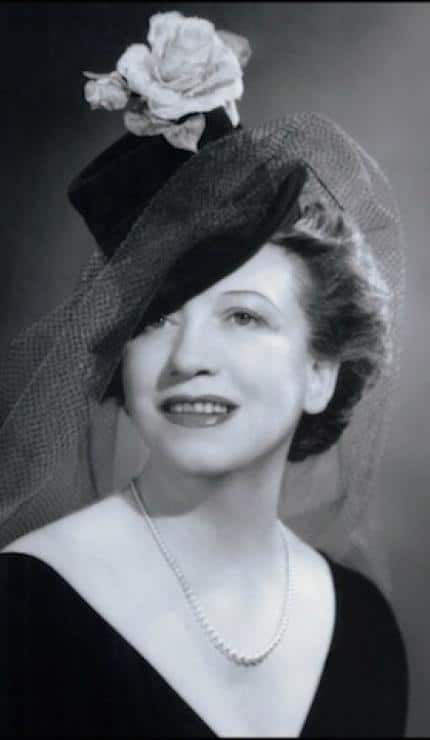
As we drift into the Renaissance era, makeup became a symbol of wealth and status. Women clung to beauty ideals that often involved pale skin, which indicated a life of leisure. To achieve this, many relied on a concoction of lead-based powders—manifesting dangerous side effects for the sake of beauty. Oh, the lengths we’d go for that flawless look!
The Rise of Cosmetic Industry Standards
During the Renaissance, several factors played into the evolution of makeup including:
- Innovation in Cosmetics: The late 16th and early 17th centuries saw the emergence of more refined beauty products, leading to the creation of the first commercial cosmetic lines.
- Cultural Exchange: Increased trade introduced exotic ingredients like spices, further enhancing available beauty products.
- Artistic Influence: Painters began to emphasize ideals of beauty, influencing societal perceptions of makeup and its role in everyday life.
Notable Figures in Makeup History
While there wasn’t a single inventor of makeup, influential figures helped shape the industry. Figures like Catherine de’ Medici, who is often credited with introducing makeup to France, played a monumental role in how women perceived beauty. Her court popularized potions and oils, contributing to the glamorous allure of the French elite.
The Modern Era of Makeup: An Explosion of Creativity
Jumping into the 20th century, we witness an explosion of creativity and innovation in the beauty world! The invention of the modern lipstick tube in the early 1900s revolutionized how women could apply color to their lips. Can we get a round of applause for that genius invention?
The Birth of Iconic Brands
Several key players entered the market, paving the way for what we now recognize as the modern cosmetic industry. Here are a few pivotal brands:
- Max Factor: Introduced the concept of “makeup” for everyday use in the 1920s.
- Estée Lauder: Founded in 1946, she played a significant role in marketing beauty products directly to consumers.
- Revlon: Created iconic color cosmetics that appealed to the masses throughout the decades.
With the rise of these brands, the narrative of the inventor of makeup expanded beyond a single figure to a thriving industry that embraced creativity and diversity, opening doors for countless women to express themselves.
The Evolution of Beauty Standards
Fast forward to the current day—beauty standards are more inclusive than ever! Makeup is no longer just for special occasions; it’s a part of daily self-care for many people. The rise of social media, beauty influencers, and the global celebration of individuality has transformed how we view makeup.
Diverse Representations in Modern Makeup
- Inclusivity: More brands are prioritizing diversity in shades and products to cater to all skin tones.
- Sustainable Products: Conscious beauty is taking the forefront with eco-friendly and cruelty-free products.
- Self-Expression: From bold colors to intricate artistry, makeup has evolved into a powerful form of self-expression.
Conclusion: A Celebration of Makeup’s Legacy
So, who is the inventor of makeup? While there isn’t a single answer to this captivating question, it’s clear that makeup has evolved through the contributions of countless individuals and cultures over thousands of years. From the Egyptians and Romans to today’s modern-day beauty moguls, this transformative art form continues to inspire and empower women worldwide.
Embrace the glitz, the glam, and the artistry that is makeup! Whether it’s a swipe of mascara or a full-on glam routine, remember that makeup isn’t just about looking beautiful; it’s about feeling fabulous and confident in your own skin. Happy glam-ing, beauties! ✨
| Era | Key Makeup Products | Significant Influence |
|---|---|---|
| Ancient Egypt | Kohl, natural oils, pigments | Spiritual & cultural connection |
| Renaissance | Lead powder, floral fragrances | Beauty as status symbol |
| Modern Era | Lipstick, foundation, eyeshadow | Innovation in marketing & inclusivity |
For those interested in delving deeper into the fascinating world of makeup history, check out these reputable sources: History of Makeup and Byrdie’s Guide to Cosmetics. These gems provide a treasure trove of information on the enchanting evolution of makeup.