
Makeup has a history as colorful and complex as the products themselves. So, who invented makeup? This question takes us on a dazzling journey through time, exploring how beauty standards evolved and how makeup became a pivotal part of culture across the globe.
The Ancient Beginnings of Makeup
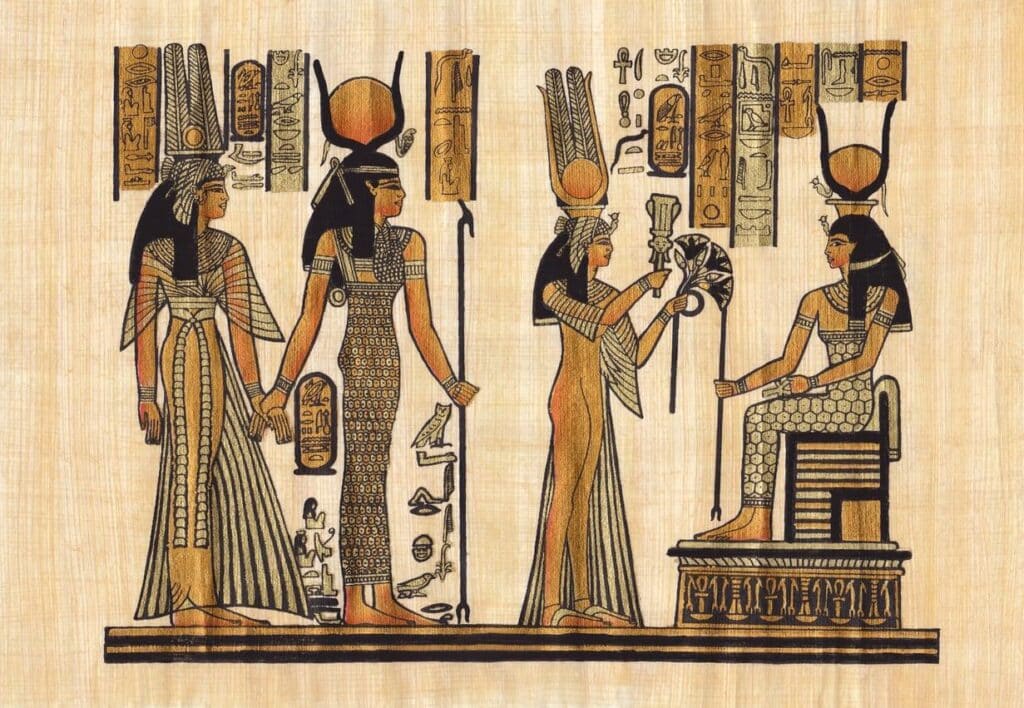
Makeup has been around for thousands of years, ushering in beauty rituals that started way back in ancient civilizations. The earliest known use of cosmetics dates back to Egypt around 4000 BCE. Ancient Egyptians were quite the pioneers in makeup application, using natural resources for beauty. They crafted kohl from minerals like lead and copper to line their eyes and create that infamous cat-eye look we still adore today!
Cosmetics in Ancient Egypt
- Eye Makeup: Eye makeup in Ancient Egypt wasn’t just for beauty; it was considered protective. The kohl protected the eyes from the strong sun and kept pesky insects away.
- Lip Care: They even made lip color from crushed berries or carmine—an early take on modern lipsticks!
- Skincare: The Egyptians were also sophisticated about skincare. They used oils and pomades sourced from natural ingredients.
This fascination with beauty and makeup wasn’t limited to women; men also adorned themselves. Just imagine a pharaoh with perfectly lined eyes, looking fabulous!
Makeup in Other Ancient Cultures
As we whirl around the world, we see that different cultures embraced the art of makeup in their unique ways:
- Mesopotamia: In this ancient region, both men and women used soot and black powder for eye cosmetics.
- China: Around 3000 BCE, the Chinese developed their own forms of beauty rituals, using rice powder to achieve a pale complexion and creating rouge from flower petals.
- Greece and Rome: In the Greco-Roman era, makeup became part of daily life; they used white lead to lighten their skin and red ochre for blush.
The Renaissance to the 18th Century: Beauty in Transition
With the Renaissance period, makeup took a turn. It evolved from ancient practices into an art form, gaining popularity in Europe. This era saw women (and men!) socializing in grand salons while flaunting their beauty regimens.
Makeup in the Renaissance
- Pale Skin: A pale complexion became synonymous with wealth. Women would use lead and vinegar mixtures to lighten their skin—dangerously unhealthy, but beauty standards were certainly different back then!
- Rouge and Lip Color: Blush made from plant extracts and crushed gemstones made its debut, giving a hint of color to those porcelain faces.
The 18th Century Makeup Craze
Fast forward to the 18th century, and makeup took on a grand and theatrical flair. Women adorned themselves with extravagant powder wigs, and makeup became part of the royal extravagance.
- Patches and Powders: People created beauty patches (little decorative bits of fabric) to cover imperfections or to make fashion statements.
- Pale Face: The obsession with pale skin remained, leading to the use of lead-based face powder that was, shockingly, toxic!
The Birth of Modern Cosmetics
It wasn’t until the late 19th and early 20th centuries that makeup began to represent modern aesthetics. With industrialization, cosmetics became more accessible to the masses.
The Development of Commercial Makeup
- First Commercial Products: In the 1900s, Max Factor created the first commercial foundation, leading to the birth of modern makeup lines.
- Lipstick in a Tube: In 1915, the twist-up lipstick made its debut, forever changing the beauty game! Who knew you’d be able to pop a fabulous color in a tiny, portable tube?
Celebrities and the Rise of Makeup Culture
As Hollywood emerged in the 1920s, makeup became an essential tool for actresses. Celebrities like Marilyn Monroe and Audrey Hepburn influenced beauty standards, showcasing glamorous looks that many women aspired to achieve.
Contemporary Makeup: Diversity and Innovation
Fast forward to today, and the makeup industry has exploded into a billion-dollar empire! With a focus on inclusivity and innovation, makeup brands are embracing all skin tones and gender expressions.
Makeup for All
- Diversity: Brands like Fenty Beauty, led by Rihanna, have revolutionized the notion of inclusivity, offering an extensive range of shades that cater to all skin tones.
- Sustainable Practices: Today, there are also a myriad of brands focusing on sustainability. Eco-friendly packaging and clean ingredients are now all the rage!
Evolving Trends in Makeup
- The Skincare-Makeup Hybrid: With the popularity of products that combine skincare benefits with makeup, such as tinted moisturizers and BB creams.
- Social Media Influence: Platforms like Instagram and TikTok have created beauty influencers who drive trends and make makeup tutorials more accessible than ever. Who knew that #MakeupTok would unleash an army of beauty gurus!
Table: Timeline of Makeup Through the Ages
| Era | Major Makeup Innovations |
|---|---|
| 4000 BCE | Kohl in Ancient Egypt |
| Renaissance (1400s) | Use of lead-based powders |
| 18th Century | Powdered wigs and decorative patches |
| 1900s | Commercial makeup products |
| 2010s | Rise of inclusivity and social media influencers |
Conclusion: The Everlasting Allure of Makeup
So, who invented makeup? While it’s hard to pinpoint a single inventor, makeup has truly evolved through the creativity and innovation of countless cultures and individuals. It started as a necessity for protection and has transformed into a medium for self-expression and creativity!
From the sumptuous kohl liner of ancient Egypt to the modern-day B.B. creams and highlighting kits, makeup continues to capture the imagination of people everywhere. With each new product and trend, we can’t help but wonder what exciting innovations will come next. After all, the world of makeup is as playful and stunning as a well-crafted beauty tutorial!
For more intriguing insights into the history of makeup, check out this fantastic resource on Makeup History and discover why makeup remains a delightful staple in our lives, no matter the era.
Here’s to celebrating the enchanting journey of makeup! 💄✨