Which Countries Are The Makeup For Opec?
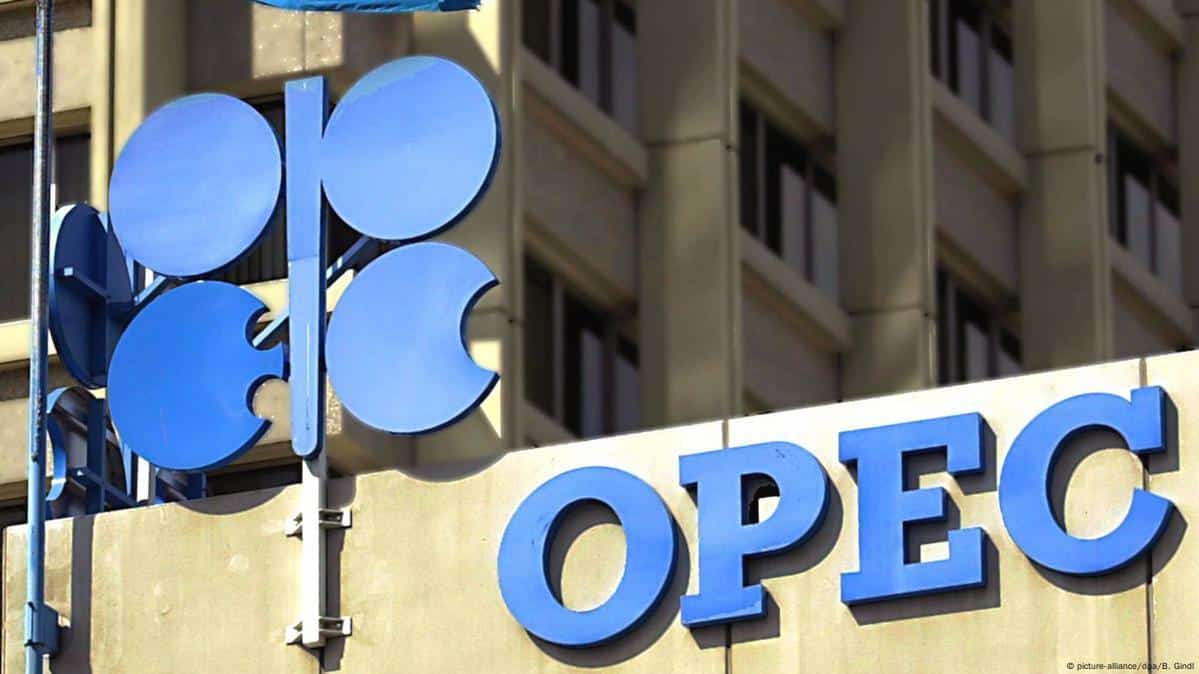
The Organization of the Petroleum Exporting Countries, or OPEC, is a group that plays a pivotal role in the global oil market. Understanding which countries are the makeup for OPEC is crucial for anyone who wants to delve into the world of global economics and energy policies. OPEC was established in 1960, and its member countries collaborate to coordinate and unify petroleum policies of their member countries to ensure stable oil prices. This article will explore the captivating details of OPEC, shedding light on its member nations, their contributions, and the overall impact on the energy market.
The Members of OPEC
The OPEC organization consists of several member countries, each contributing to the mission of stabilizing oil markets worldwide. To help visualize the makeup of OPEC, here’s a nifty little table:
| Country | Joined Year | Oil Production (Million Barrels/Day) |
|---|---|---|
| Saudi Arabia | 1960 | 10.6 |
| Iran | 1960 | 3.9 |
| UAE | 1967 | 3.2 |
| Kuwait | 1960 | 2.8 |
| Venezuela | 1960 | 0.9 |
| Nigeria | 1971 | 1.6 |
| Angola | 2007 | 1.3 |
| Gabon | 1975 | 0.2 |
| Equatorial Guinea | 2017 | 0.1 |
| Congo | 2019 | 0.3 |
As you can see from the table, which countries are the makeup for OPEC includes notable oil powerhouses, such as Saudi Arabia, which is not just the largest producer but also often referred to as the “swing producer” in the organization due to its ability to adjust production in response to global oil prices.
The Role of OPEC in the Global Oil Market
OPEC’s primary goal is to manage the supply of oil in order to stabilize prices. By controlling production levels among its members, it aims to prevent extreme fluctuations that can negatively impact economies worldwide. Understanding which countries are the makeup for OPEC also emphasizes how the politics and economies of these nations are intertwined with the oil market. For instance, if Saudi Arabia decides to cut production, it significantly influences prices globally, affecting everything from the cost of gasoline at the pump to heating oil in the winter.
Contributions of Major OPEC Countries
- Saudi Arabia: As the largest producer, Saudi Arabia traditionally plays a leading role in OPEC. Its extensive oil reserves and production capacity offer stability to the organization. The country holds around 18% of the world’s proven petroleum reserves.
- Iraq: With a rich history of oil production, Iraq is another key player within OPEC. It has ambitious production targets that often shift due to geopolitical concerns. The country is working to increase its oil output, contributing significant volumes to the global market.
- United Arab Emirates (UAE): The UAE has emerged as a leading oil exporter and is strategically important due to its modern oil production facilities. The capital, Abu Dhabi, holds the majority of oil reserves in the UAE.
- Kuwait: A founding member of OPEC, Kuwait’s oil wealth fuels its economy. The Burgan Field in Kuwait is one of the largest oil fields in the world, and Kuwait’s high production capacity is vital to OPEC’s overall output.
- Venezuela: Despite facing economic challenges, Venezuela’s oil reserves are among the largest globally. Its production, however, has dramatically decreased in recent years due to a lack of maintenance and declining infrastructure.
- Nigeria: As OPEC’s only representative from Africa, Nigeria’s oil plays a critical role in the group’s decisions due to its varied production and export levels. Challenges such as political instability and pipeline vandalism impact Nigeria’s oil output.
Geopolitical Factors Influencing OPEC
It’s essential to consider that the operations and strategies of OPEC are frequently influenced by geopolitical factors. The dynamics between member countries can shape production quotas and compliance with agreed production levels. For example:
- The relationship between Saudi Arabia and Iran can create tension within the organization, leading to varying production outputs.
- Economic sanctions against certain member countries can affect their contributions to the overall OPEC output.
- The global shift towards renewable energy also puts pressure on OPEC members to adapt their economic plans while maintaining their oil-dependent economies.
OPEC’s Influence on Global Prices
One cannot underestimate the influence OPEC has on global oil prices. As the makeup of OPEC countries controls a significant portion of the world’s oil supply, decisions made in OPEC meetings can lead to price hikes or drops in retail gasoline prices. The intricacies of these decisions often cause waves in the global economy, affecting consumers and businesses alike.
When OPEC announces a production cut, for instance, the price of crude oil typically rises. This pricing behavior is well-studied within the global financial markets. Conversely, increases in production to stabilize or reduce prices can lead to market volatility, impacting traders and economies that rely heavily on oil revenue.
Challenges Facing OPEC in Modern Times
With a world increasingly focused on environmental sustainability, OPEC faces numerous challenges:
- Climate Change: Countries are pledging to reduce carbon emissions as part of international agreements. This transition influences demand for fossil fuels and challenges OPEC’s long-term strategies.
- Technological Advances: Innovations in renewable energy and energy efficiency are reducing dependency on oil. The rise of electric vehicles, for example, could potentially threaten oil demand in the coming decades.
- Economic Diversification: Many OPEC countries are beginning to realize the importance of diversifying their economies beyond oil dependency. Initiatives to invest in tourism, technology, and other sectors are becoming commonplace.
Future of OPEC in the Global Economy
As we ponder which countries are the makeup for OPEC, it’s vital to consider the future role of this organization in an evolving market. While OPEC has historically maintained a strong position within the global oil market, its adaptability will determine its success amidst challenges.
- Collaboration with Non-OPEC Partners: The alliance with non-OPEC producers, often referred to as OPEC+, including countries like Russia, represents a shift in strategy that may bolster OPEC’s influence even further.
- Sustainability Initiatives: As pressure mounts to address climate change, OPEC is exploring sustainable practices within oil production. This could involve investments in cleaner extraction technologies to reduce emissions.
- Economic Policy Adaptation: Each member’s commitment to adjusting economic policies influenced by oil prices will be crucial. Countries must balance immediate oil revenues with long-term economic planning to ensure resilience.
Conclusion
exploring which countries are the makeup for OPEC divulges into much more than simply a list of oil-rich nations. It uncovers a storyline of global economic interdependence, geopolitical strategies, and the intricate ballet of supply and demand that characterizes the oil industry. With OPEC members navigating both old and new challenges, their response will be pivotal in shaping the future of global energy consumption and economic stability. As the world moves toward greener avenues, the adaptability of OPEC will sketch the next chapter in oil diplomacy and production.
For further information on OPEC and its operations, you can visit IEA reports on OPEC for detailed statistics and insights.