Where Does The Name ‘makeup’ Come From ?
Makeup is a magical word that conjures images of glam, sparkle, and transformation. But have you ever wondered about the origins of this fabulous term? You know, the one that holds the power to morph a tired Tuesday into a sparkling soirée in just a few swipes of mascara? Understanding where the name ‘makeup’ comes from not only satisfies curiosity but also deepens our appreciation for this art form. Buckle up, beauty lovers—it’s time to dive into the delightful world of makeup nomenclature!
The Origins of the Word Makeup
The name ‘makeup’ comes from the simple combination of the words “make” and “up.” To break it down, the word “make” means to create or form something, and “up” serves as a directional modifier. When you put these two together, ‘makeup’ essentially refers to the creation of a visually appealing appearance. A little sprinkle of shimmer, and voila, you’re ready to face the world!
Historically, makeup has been practiced by cultures around the globe. Ancient Egyptians used kohl to line their eyes, while the Greeks celebrated the beauty of their goddesses with various pigments. These practices laid the foundation for what we now call makeup. People have always had a flair for enhancement, and the word ‘makeup’ perfectly encapsulates that essence!
Understanding Makeup Across Cultures
Historical Context of Makeup Usage
Makeup has a long and storied history, with different cultures applying it in unique ways. In the grand spectrum of historical beauty practices, ‘makeup’ takes on many forms. Here’s a brief overview of its journey across time and societies:
- Ancient Egypt: Makeup was predominantly about protection from the sun and warding off evil spirits. Both men and women adorned themselves with kohl, a black mineral paste.
- Ancient Greece and Rome: Here, the focus was on achieving a more youthful appearance. Women used a mixture of lead and chalk to lighten their skin, which today makes us cringe but was totally the rave back then!
- Medieval Europe: This was a time to be extra cautious with makeup due to strict rules imposed by the Church. However, women still found ways to sneak in some rouge and face powders!
The Role of Makeup in Modern Society
Fast forward to today, where the word ‘makeup’ has expanded its meaning and influence! Makeup is now an industry worth billions, driven by both innovation and trends. From celebrity endorsement to Instagram influencers, the makeup world is a fantasy land that encourages self-expression.
The Linguistic Evolution of Makeup Terminology
Makeup Vocabulary and Its Impact
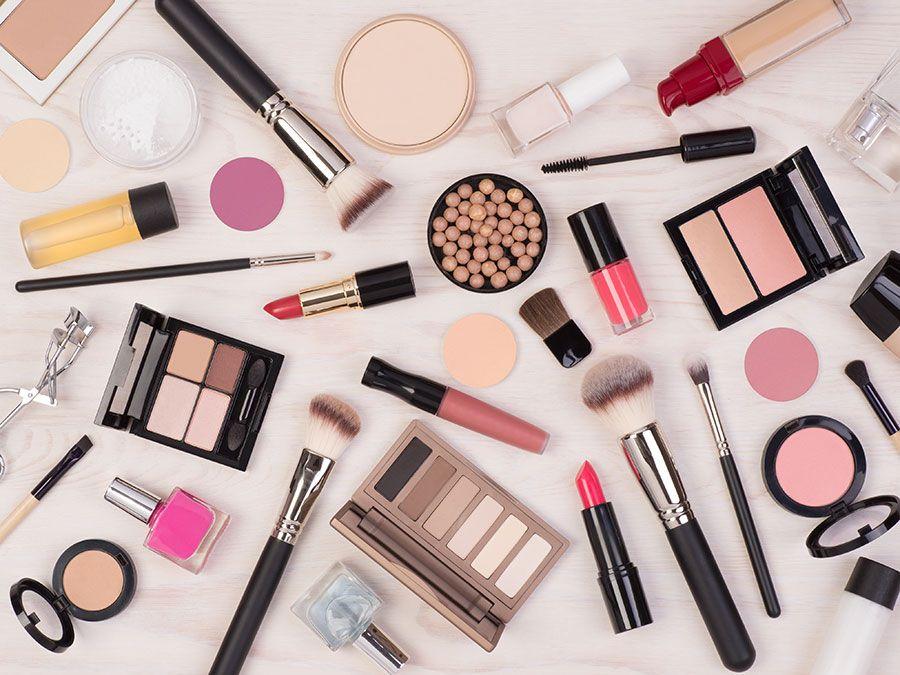
Let’s talk about the fun stuff—makeup vocabulary! Words associated with makeup have evolved quite a bit. Foundation, concealer, blush, and lipstick are just a few examples that encapsulate the essence of beauty. The evolution of these terms reflects both product development and cultural trends. The beauty industry is constantly adapting, leading to new terms and jargon sprouting every season!
- Foundation: Originally referred to the basic makeup layer. Today, it encompasses a myriad of formulations, textures, and finishes!
- Contouring and Highlighting: We owe this glamor to the Kardashians, who changed the game with geometrically-shaped cheekbones and sculpted features. The language around makeup has become so vibrant and playful.
- Nail Art: Not just a manicure anymore! We now have words like ombre, chrome, and negative space nail art. The evolution of makeup terminology mirrors our creativity!
The Cultural Significance of Makeup
Makeup and Identity
Makeup is not just about looking pretty; it’s about identity, self-expression, and empowerment! The name ‘makeup’ embodies a form of artistry that transcends mere aesthetics. Let’s explore how makeup holds cultural significance today:
- Empowerment: Many women find confidence in makeup. The very act of putting it on can change how we feel about ourselves, transforming us into glamorous versions of ourselves. This is important in a world that sometimes tries to make us feel small.
- Cultural Trends: Makeup trends vary vastly across cultures. From the bold henna designs in India to the delicate motifs of Japanese geisha makeup, each style tells a unique story.
- Social Media Influence: Platforms like Instagram and TikTok have revolutionized how we interact with makeup, often leading to makeup challenges that celebrate creativity. The name ‘makeup’ has taken on new layers of meaning—it’s about community and artistry!
Practical Aspects of Makeup
In today’s fast-paced world, makeup isn’t just about glam but also functionality. It repairs our confidence and helps us navigate through different social spheres. On a practical level, the name ‘makeup’ has come to connote an array of products designed for various needs:
- Natural Look: Barely-there makeup has become the trend for a fresh-faced appearance. This look defies traditional ideas about makeup’s purpose and aims for minimalism.
- Long-lasting Formulas: With busy lives comes the need for durability. Waterproof mascara and transfer-proof lipsticks showcase how makeup adapts to modern challenges.
- Vegan and Cruelty-Free Choices: Sustainable beauty practices are gaining traction, and the vocabulary has extended to include ‘clean beauty’. The name ‘makeup’ now resonates with values like sustainability and ethics!
Makeup Around the World
Global Makeup Trends
With globalization, makeup trends have seeped into various cultures, resulting in a beautiful amalgamation. Let’s take a virtual tour around the world and see how makeup is interpreted uniquely:
- K-beauty (Korean Beauty): Focus on skin care and natural glow. Their 10-step skincare regime and products like BB cream have reshaped how we approach makeup!
- J-beauty (Japanese Beauty): Emphasis on simplicity and minimalism. Think of lightweight formulations that enhance rather than mask beauty.
- Western Trends: Often bold and experimental. The explosion of colors and shimmering highlights showcase individual expressions.
The Name Makeup in Various Languages
Isn’t it fascinating how one word can have different flavors in different languages? Here’s a fun little table for glam lovers who adore languages!
| Language | Translation of Makeup |
| Spanish | Maquillaje |
| French | Maquillage |
| Italian | Trucco |
| German | Make-up |
The Future of Makeup
As trends evolve, so will the name ‘makeup.’ It’s important to recognize that makeup serves as an exceptional cultural artifact. The word itself encompasses more than just powders and liquids; it’s a reflection of societal shifts, trends, and technological advancements.
- Innovation: With the rise of technology, we anticipate the emergence of new formulations, possibly integrating skincare and makeup into one. Imagine makeup that not only beautifies but also nourishes!
- Inclusivity: The future of makeup will be more diverse, embracing various skin tones, types, and cultural aesthetics. The name ‘makeup’ will embody the beauty of every individual, reflecting the beautiful spectrum of humanity.
Conclusion: Embracing the Name Makeup
In essence, the name ‘makeup’ carries deep historical, cultural, and social significance. It’s more than just a term; it’s a lifestyle, an artistic process, and a form of self-expression. Every time we reach for our favorite mascara or swipe on that luscious lipstick, we’re part of a much larger narrative spanning centuries.
Understanding where the name ‘makeup’ comes from enables us to appreciate it even more. It is a journey—a sparkly, glitzy endeavor that continues to evolve and inspire us every day! From ancient traditions to contemporary innovations, makeup isn’t just something we put on; it’s an integral part of who we are.
So next time you get ready to slay that day, remember the rich tapestry that the name ‘makeup’ holds. Here’s to creativity, self-expression, and the fabulous journey that lies ahead! 🌸