
Makeup: an enchanting world of colors, sparkle, and endless possibilities! It’s fascinating to think about where makeup comes from and how it has transformed over the centuries. Gone are the days when makeup was purely for beauty; today, it’s an expression of art, individuality, and empowerment. Before we dive into the glorious details, let’s explore the rich tapestry that weaves together the story of makeup, its origins, and its evolution through time.
The Historical Origins of Makeup
Makeup has existed for thousands of years, with its roots deeply embedded in ancient civilizations.
Ancient Egyptians and Their Makeup Rituals
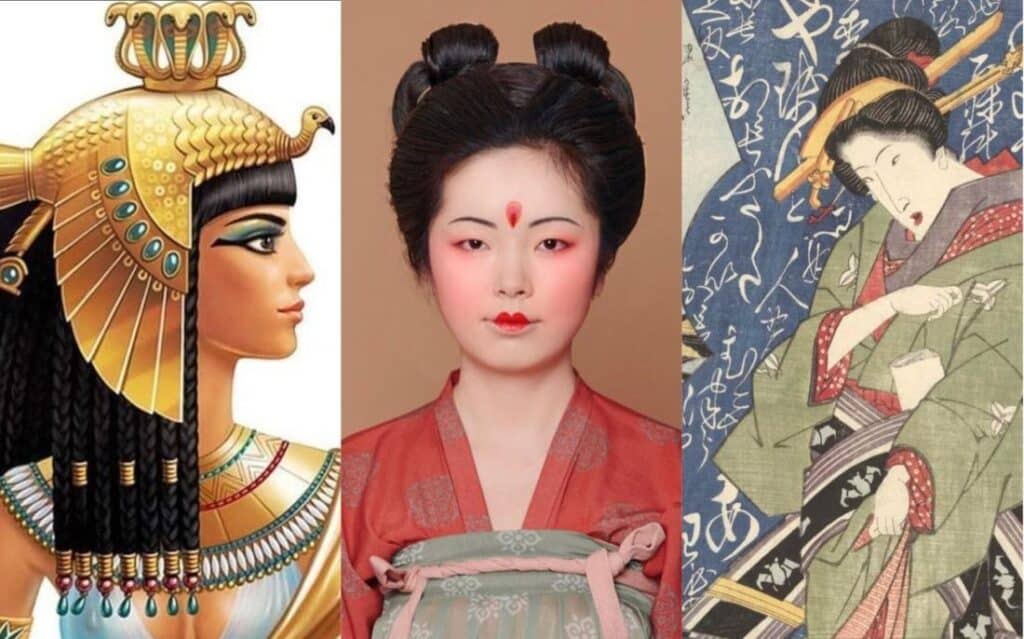
The Egyptians were the original makeup aficionados! They loved their eye makeup, and oh boy, did they wear it with flair. They believed in the magical powers of kohl, a dark powder made primarily from lead sulfide, which they skillfully applied to their eyes. Not only did it make their eyes look stunning and dramatic, but it also protected against the harsh sun and warded off evil spirits.
Key Points about Ancient Egyptian Makeup:
- Kohl: Used for creating dramatic eye looks and believed to hold protective properties.
- Organic Materials: Other pigments were derived from minerals, plants, and sometimes even ash.
- Symbolism: Makeup often carried spiritual connotations, emphasizing beauty as a reflection of divine favor.
The Greeks and Romans Embrace Beauty
Fast forward to the Greeks and Romans, where makeup became a symbol of social status and sophistication. The Greeks had a fondness for pale skin, representing wealth and nobility. They used white lead powder to achieve that coveted look—while it’s totally a no-no today, it was the trend back then!
Roman women, on the other hand, were all about color. They used a wide range of pigments to add a blush to their cheeks and color to their lips. They even employed the use of crushed beetles for a cheeky hint of red!
Key Points about Greek and Roman Makeup:
- Pale Skin: Achieved through harmful substances, focusing on status over safety.
- Diverse Colors: Made from natural sources like plants and minerals.
- Social Symbolism: Beauty was crowned as a virtue along with morality.
The Evolution of Makeup Through the Ages
As we step into the Middle Ages and then onward to the Renaissance, the approach to makeup morphed into something even more extravagant.
Medieval Makeup: The Garden of Deceit
In the medieval era, beauty standards took a bit of a twist. Women wore elaborate headdresses and often sought to cover blemishes and imperfections with lead-based cosmetics—yikes! It was a time when beauty was a privilege reserved for the rich, and many women would often resort to using dangerous ingredients to achieve that white, flawless complexion.
The Renaissance and the Birth of Modern Makeup
Welcome to the Renaissance, where art flourished, and so did cosmetic innovation. Makeup artisans began experimenting with natural sources, giving rise to the first recipes for beauty products! This era marked the beginning of what we now know as modern makeup—a beautiful blend of art and science.
Key Points about the Evolution of Makeup:
- Medieval Era: The dark ages of dangerous ingredients and beauty rituals.
- Renaissance: The transition towards safer and more creative methods, including recipes for beauty products.
Makeup in the 19th and 20th Centuries
Makeup history became much more glamorous in the 1800s with the emergence of commercial makeup. With the industrial revolution, cosmetics began to be manufactured on a larger scale. Now, it was no longer just for the aristocracy!
The Rise of Commercial Cosmetics
The late 19th century saw the launch of brands like Max Factor and Maybelline, which created an inclusive beauty space. Suddenly, everyone could indulge in makeup without the risk of poisoning themselves! This was the golden age for beauty.
The Impact of Hollywood
The 1920s brought in the Roaring Twenties, where flapper culture and cinema combined to influence beauty standards significantly. Women embraced bolder colors, and the infamous red lip became a symbol of empowerment! It was the decade of glitz and glam, and makeup became even more accessible to the masses.
Key Points about Makeup in Recent History:
- Commercialization: Brands emerged, making makeup accessible to everyone.
- Cinematic Influence: Hollywood shaped beauty ideals with iconic looks and styles.
The Modern Era of Makeup
Caught up in the whirlwind of the 21st century, makeup has taken on new forms, fads, and functions.
Innovations and Trends
Today, makeup artistry is flourishing like never before. From beauty vloggers to makeup influencers, the digital world has opened countless avenues for creativity and expression. The rise of clean beauty trends calls for transparency in ingredients, promoting natural skincare and eco-conscious choices.
Sustainability and Inclusivity
As we dive deeper into this contemporary world, brands are embracing inclusivity with diverse shade ranges and sustainable practices. It’s all about making everyone feel represented in the beauty space.
Key Points about Modern Makeup Practices:
- Digital Influence: Social media platforms have become vital for trends and tutorials.
- Sustainable Practices: Growing demand for vegan, cruelty-free, and eco-friendly products.
Ingredients in Makeup: Understanding What’s Inside
Now that we’ve traveled through time, let’s explore the ingredients that make up those fabulous products we adore! Understanding where makeup comes from also means knowing what goes into it.
Natural vs. Synthetic Ingredients
Makeup today can contain natural and synthetic components. Natural ingredients often come from plants, minerals, or animal sources, while synthetic options are created in labs for performance, longevity, and safety.
Common Makeup Ingredients
Here’s a neat little table showing the common ingredients found in various makeup products:
| Category | Ingredients |
|---|---|
| Face Makeup | Foundation, concealer, powder (zinc oxide, titanium dioxide) |
| Eye Makeup | Eyeliner, mascara, eyeshadow (mica, iron oxides) |
| Lips | Lipstick, lip gloss (castor oil, beeswax) |
| Skincare | Moisturizers, serums (hyaluronic acid, vitamin E) |
The Global Impact of Makeup Culture
The beauty world is as diverse as the people who wear it! Different cultures have unique practices and beliefs regarding makeup, shaping their own cosmetics industries.
Asian Beauty Standards
Asian countries have profoundly influenced global beauty norms, thanks to their creative formulations and skincare-regimens-first philosophy. K-beauty, with its focus on flawless skin, popularized the multi-step skincare routine and inspired products that emphasize glow and hydration.
Western Beauty Standards
Meanwhile, Western makeup trends tend to be bold and daring. Social media has propelled these trends forward, blending modernity with innovations from various cultures. It’s exciting to see everyone coming together in this ever-evolving beauty sphere!
Key Points about Global Makeup Culture:
- Diverse Practices: Different cultures shape unique beauty standards and trends.
- Shared Influences: Globalization allows for a merry mix of products and influences.
Conclusion: The Ongoing Legacy of Makeup
As we unravel the beautiful tapestry of where makeup comes from, we see a story of adaptation, innovation, and expression forged through centuries. From the sacred rituals of the ancient Egyptians to today’s socially-conscious beauty brands, makeup has proven to be an enduring form of artistry. Each product we apply tells a story, embracing our individuality while connecting us through history. So whether it’s a swipe of lipstick or a delicate dusting of eyeshadow, we honor the past while celebrating the fabulous present!
Makeup is more than just a beauty tool; it’s a transformative experience, and as this wondrous world continues to evolve, so does our love for it. Happy beautifying, gorgeous ladies!