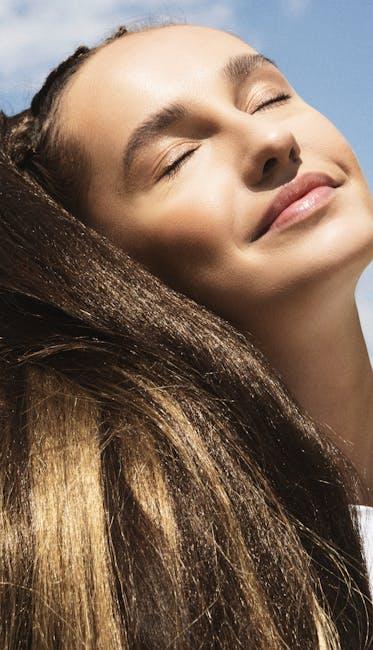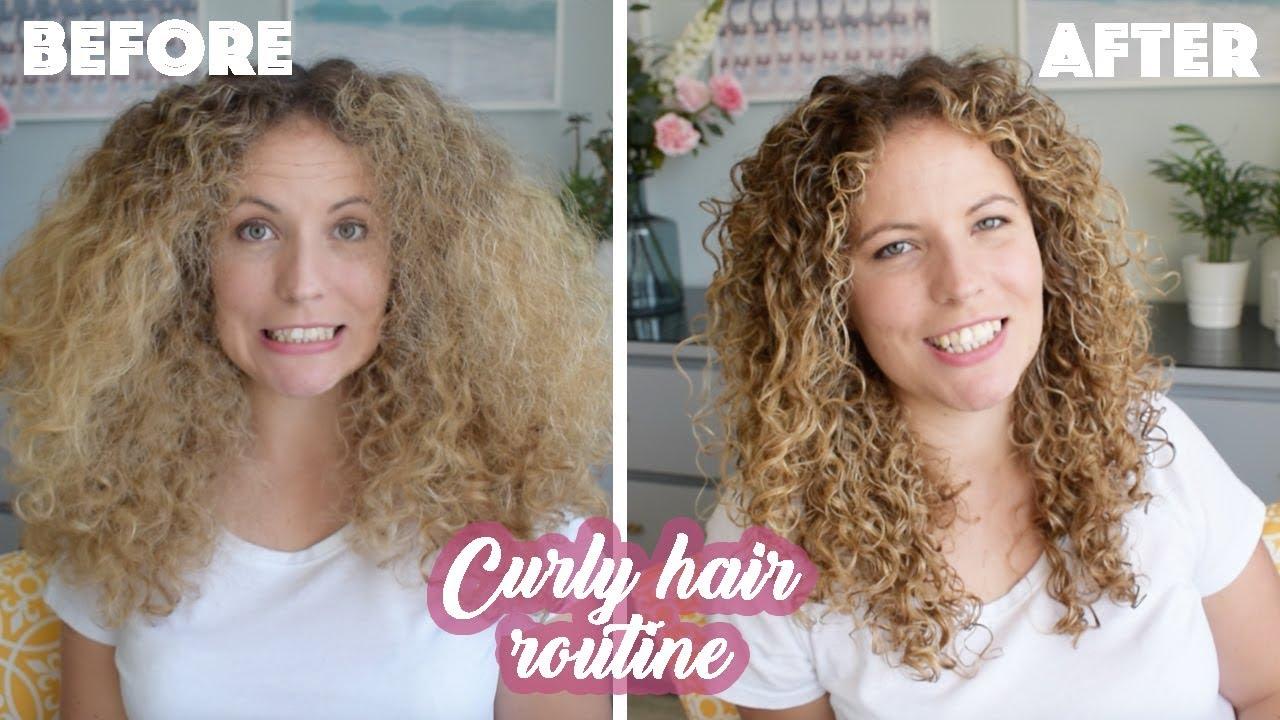
Where Does Caucasian Curly Hair Come From? It’s a question that tickles the curiosity of many, weaving through history, genetics, and culture. If you’ve ever run your fingers through those delightful spirals or envy your friend’s lush waves, understanding the origins of Caucasian curly hair can be both enlightening and fun. So, let’s dive into the curls and swirls of history, genetics, and the fabulous allure of those curls that have us all mesmerized!
Understanding Genetic Background of Caucasian Curly Hair
When pondering where Caucasian curly hair comes from, it’s essential to peek into the world of genetics. Hair texture is primarily influenced by the shape of the hair follicles and the biology of keratin production in our bodies. Curly hair, be it on a blonde beauty or a strawberry-haired stunner, tends to arise from oval or flat follicle shapes, creating a lovely twist to our strands.
Curly Hair Genetics in Caucasians
The genetic makeup governs the nature of your curls. Studies have pinpointed several genes that contribute to this characteristic, with prominent mentions being the TRPS1 and KRT71 genes responsible for curly hair attributes. These genes have shown to exhibit variations across different ethnic groups. In the grand tapestry of human evolution, the mix of various genetic traits over centuries has led to the diversity we see today.
Interestingly enough, Caucasian curly hair doesn’t belong to any single branch of the family tree. Instead, it has roots across various regions influenced by migrations and intermixing of cultures. The unruly, bouncy curls can be traced back through centuries, making it a unique story of evolution and adaptation.
Cultural History of Curly Hair
The question of where exact Caucasian curly hair comes from is closely tied to cultural expression and identity. For ages, curls have been a sign of character and class in numerous societies. The coils and waves evoke images from ancient Greece, where Greek goddesses sported their majestic tresses, or in the Renaissance, where the curly locks of aristocrats were styled to accentuate elegance and virtue.
The Roaring Twenties and Beyond
Fast forward to the Roaring Twenties, and you’ll find curls making a bold statement. Women began to embrace their texture in an era of liberation, symbolizing freedom and rebellion against traditional norms. From the iconic bobs of flappers to the big, beautiful curls of Disco Fever, curly hair has always commanded attention.
How Different Cultures Embrace Curls
Across diverse cultures, curly hair has different meanings and aesthetics. For instance, the lush, curly hair in Mediterranean cultures is often celebrated and even idealized, while in Northern European roots, it may not be the dominant trend. Yet, in both scenarios, curly hair tells a story – a narrative braided through tradition.
Factors Influencing Curly Hair Formation
So, what’s really behind the curly magic? Understanding that where Caucasian curly hair comes from involves looking deeper into environmental and hormonal factors.
Environmental Influences
Humidity and temperature play pivotal roles in how curly hair behaves. The moisture in the air can cause those curls to bounce up and twirl with joy, whereas dry conditions might lead them to become frizzier. It’s almost as if Mother Nature is conducting a symphony of curls, with each environment creating unique harmonies.
Hormonal Changes
Hormonal fluctuations can impact hair texture significantly, often seen during puberty, pregnancy, or menopause. For many women, a change in curls can indicate life changes, making each curl a testimony of one’s journey.
Ageing and Hair Texture
Aging can also alter the structure of hair. Some may find their curly hair becoming straight over the years due to changes in hormone levels or the depletion of keratin. Embracing your unique transition is key, because every stage of life deserves a fabulous curl!
Caring for Caucasian Curly Hair
Now that we’ve explored where Caucasian curly hair comes from, let’s chat about keeping those lovely locks healthy and bouncy.
The Dos and Don’ts of Curly Hair Care
- DO embrace your natural texture: For those blessed with curly locks, remember that curls come in all shapes and sizes, so love what you have!
- DON’T wash your hair every day: Curly hair tends to be drier than straight hair, so aim for 2-3 washes a week to prevent stripping away natural oils.
- DO use curl-friendly products: Opt for sulfate-free shampoos, moisturizing conditioners, and leave-in treatments made for curls.
- DON’T forget to hydrate: Drink lots of water and use hydrating masks to maintain those luscious locks.
Styling Techniques for Curls
Styling Caucasian curly hair can be an artistic endeavor. From defining those curls with a curling cream to employing the famous “plopping” technique for drying, there are endless possibilities! Remember, styling is about enhancing what nature gave you rather than conforming to a different hair type.
- Diffusers don’t just dry your hair; they add volume without disrupting the curl pattern.
- Heat Styling tools like curling wands should be used sparingly; opt for air-drying over flat-ironing your beautiful curls.
Conclusion
In our journey to uncover where Caucasian curly hair comes from, it becomes crystal clear that it’s a beautiful blend of genetics, history, and culture. So whether you have bouncy ringlets or wild waves, embrace your curls; they’re a reflection of your unique story.
Let’s remember to celebrate the long, luscious creativity of curly hair as it sways and dances through life, charming everyone in its path! Because, darling, every curl tells a tale, and yours is worth weaving into the grand narrative of beauty.
Encourage others to join in on this fabulous journey of curls, curls, and more curls, because who doesn’t love a curly adventure? Curl on, beautiful souls!