
Where Did Makeup Originate? The Enchanting History of Beauty Products
Makeup has been a staple of beauty and self-expression for centuries, but where did makeup originate? This age-old question takes us on a delightful journey through history, culture, and the ever-evolving definition of beauty. As we explore the origins of makeup, we’ll uncover fascinating facts and stories, revealing how beauty rituals have shaped the lives of countless individuals across different eras and cultures.
The Ancient Roots of Makeup
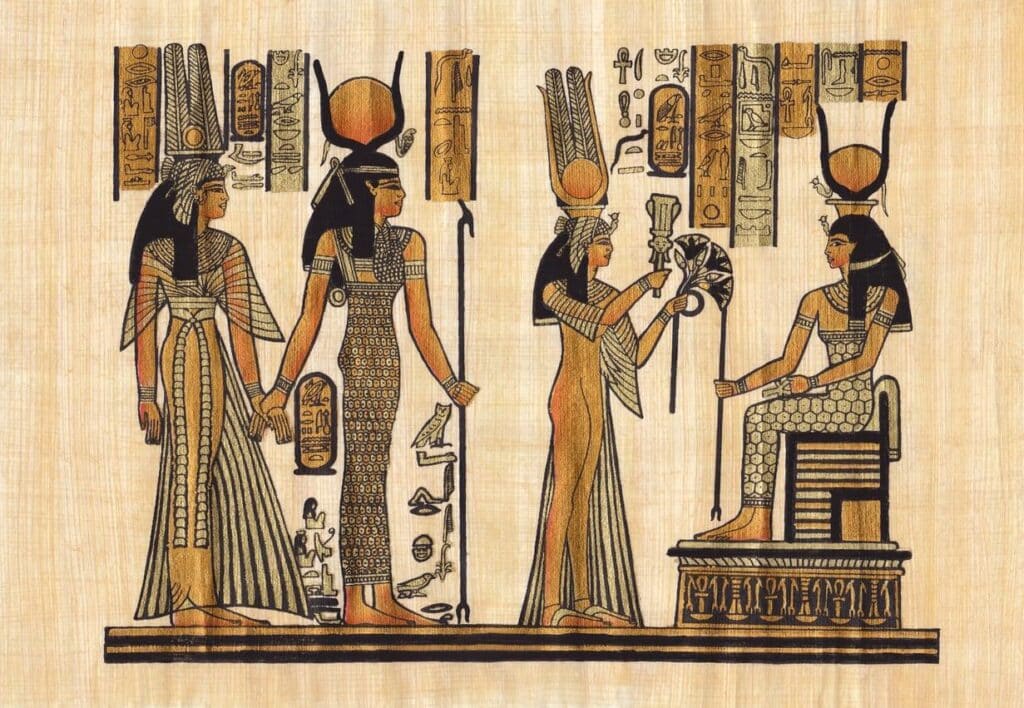
Makeup can trace its roots back to ancient civilizations, where it was not only used for aesthetic purposes but also deeply intertwined with rituals and beliefs. The Egyptians, for example, were among the first to embrace cosmetics as a vital part of their daily lives. They used kohl to line their eyes, both to enhance their beauty and to protect against the sun’s glare. This enchanting look was not just a fashion statement; it also held spiritual significance, believed to ward off evil spirits. Ancient makeup products included:
- Kohl: Made from lead sulfide, this striking black eyeliner was a must-have for every Egyptian.
- Malachite and Galena: These minerals were ground into powders for eye shadow and added color to the eyelids.
- Henna: Used to tint nails and skin, this plant-based dye was popular in both ancient Egypt and later cultures.
The Egyptians are credited with some of the first documented uses of makeup, but they were not alone in their pursuit of beauty.
Mesopotamian Influences on Makeup
The ancient Mesopotamians also had a flair for cosmetics, commonly using oils and perfumes derived from plants and flowers. They sourced ingredients like myrrh and cinnamon to create delightful fragrances, which were cherished by both men and women. The significance of makeup in this culture was enormous, often connected to their spirituality and deities.
- Eye Makeup: Similar to their Egyptian neighbors, they utilized precious stones and minerals for eye adornment. Eye shadow colors ranged from vivid greens to dramatic blacks.
- Face Powders: These were made from finely ground clay and were used to achieve a paler complexion, reflecting the societal preference of the time.
Greek and Roman Contributions to Makeup
Fast forward to the Greeks and Romans, who had their own unique take on beauty. They adored the use of white lead and chalk for a pale complexion, believing it symbolized wealth and elegance. Interestingly, this was also a period when makeup became associated with social class.
Greek Innovations:
- Kohl and Eyeshadow: The Greeks continued the use of kohl but also introduced new colors, including shades made from plants and minerals.
- Cosmetic Oils and Creams: Encouraging smoother skin, they developed various oils, mixing ingredients like olive oil and honey.
Roman Makeup Fads:
- Face Paints: Romans famously used a variety of paints to achieve fashion-forward looks, often experimenting with vibrant colors.
- Beauty Recipes: Romans shared recipes for cosmetics through popular literature, enjoying the social aspect of beauty rituals that allowed them to bond over shared interests in makeup.
The Middle Ages and the Renaissance: A Shifting Perspective on Beauty
The next major period in the history of makeup is the Middle Ages, where beauty norms faced scrutiny, especially from the clergy. Makeup was often deemed sinful, and though its use decreased, it was far from forgotten.
- Natural Beauty: Women often went for more natural looks, using lemon juice to lighten their skin and create that quintessential “pale” appearance. This period also saw the introduction of powdered sugar to create luminous effects on the skin!
However, during the Renaissance, attitudes shifted back toward glamour. Women embraced cosmetics with gusto, utilizing ingredients such as:
- Lead-Based Face Powder: Though dangerous, this powder was used widely to achieve a porcelain-like complexion.
- Plant-Based Dyes: To add color to their cheeks and lips, they turned to nature, delighting in superb shades of red and pink derived from fruits and flowers.
Makeup in the Modern Era: 18th to 20th Century
By the 18th century, makeup had evolved and was now widely accepted, thanks to the efforts of fashion icons and nobility who flaunted their extravagant looks. The development of cosmetics during this time became more innovative with the introduction of:
- Face Creams and Lotions: Creams began to be made with more sophisticated formulas that appealed to a broader audience.
- Perfumes: France emerged as the independent leader in perfume, creating signature scents that became luxury items across Europe.
The 19th and 20th centuries witnessed a marvelous explosion of makeup brands and products that changed the landscape of cosmetics forever. Iconic brands began to emerge, and beauty became accessible to women from all walks of life:
- Mascaras and Lipsticks: Products became more refined, with safe formulations leading to a larger variety of shades and options.
- Modern Advertising: The advent of print and media advertising revolutionized how products were marketed, introducing women to the joys of makeup.
The Global Makeup Influence in the 21st Century
Fast forward to today, and makeup is an integral part of global culture! Around the world, endeavors to define beauty are exciting and ever-evolving. From bold colors and unique styles to eco-conscious brands promoting sustainability, the makeup industry is more dynamic than ever.
Key Trends to Note:
- Diversity and Inclusion: Brands are increasingly making products that cater to a wider range of skin tones and types, reflecting the beauty of diversity.
- Sustainable Practices: The industry is moving towards eco-friendly packaging and natural ingredients, showing awareness of the planet’s well-being.
- Social Media Influence: Platforms like Instagram and TikTok have created a surge in beauty trends, making makeup artistry accessible and highly celebrated.
Conclusion
So, where did makeup originate? The journey from ancient Egypt and Mesopotamia to modern-day beauty trends highlights the enduring fascination with beauty across cultures and eras. Makeup has transitioned from sacred rituals to everyday essentials, significantly shaping personal expression, identity, and societal norms. Whether it’s a quick swipe of lipstick or an elaborate evening look, the history of makeup is truly a tale of transformation that continues to evolve.
References
BBC – The Tragic History of Makeup
History – The Story of Makeup
This all sparkles to show that makeup is much more than just cosmetic magic; it’s a glimpse into our past and an exciting reflection of who we are today! 💖