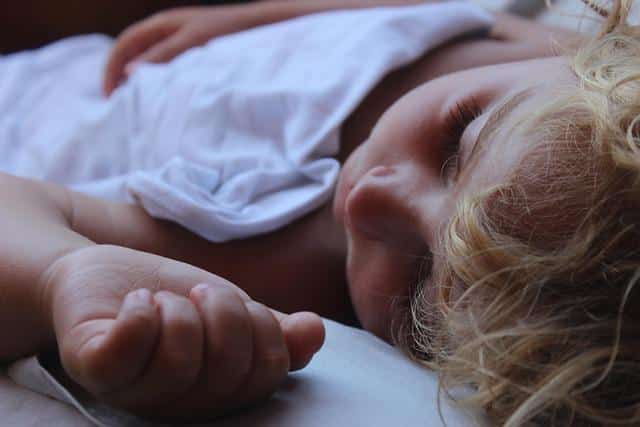
When do babies’ hair color change? This is a question that many new parents find themselves wondering about as they gaze lovingly into their little one’s eyes (and hair). The moment your bundle of joy arrives comes with a delightful mix of emotions, and as days turn into months, you might notice changes that are both adorable and puzzling. So, let’s take a wonderfully whimsical journey through the lovely world of baby hair color changes.
Understanding the Basics of Baby Hair Color Change
Hair color in babies can seem like a magical mystery. Initially, most babies are born with very fine and soft hair, often referred to as lanugo. This delicate fuzz may not resemble the luscious locks you envision for your little angel. But as the weeks and months go by, you may start to notice changes in the hue of their hair. Understanding the biological processes that govern these changes can be immensely helpful for curious parents.
Genetics Play a Huge Role
Babies inherit their hair color from their parents due to genetics. It’s incredibly fascinating how the combination of genes can lead to a perfect blend of colors! The major pigments involved in determining hair color are eumelanin (which creates black and brown hues) and pheomelanin (which produces blonde and red shades). The interplay of these pigments defines the hair color spectrum that your babe might showcase.
When Do Babies Hair Color Change? The Timeline
For those wondering about specifics, here’s what the timeline generally looks like regarding when do babies’ hair color change:
- At Birth: Most babies are born with either dark or light hair, which can drastically differ from what they will have later. Fun fact: Many babies are born with hair that might seem a bit dark but could lighten over time.
- 0-6 Months: In the early months, a baby’s hair may fall out and grow back, a natural to-do for their adorable little heads. This is when you might start to see hints of a new color creeping in!
- 6-12 Months: By around the half-year mark, you can expect to see significant changes in the shade. It’s during this period when many children’s hair colors can become lighter, especially if they were born with dark hair. If you are wondering when do babies’ hair color change, this is a key milestone.
- 1-2 Years: As the toddler years approach, more significant transformations can happen. It’s not uncommon for a child’s hair to change color multiple times during this phase. This is especially true for those with blonde or light brown hair, who may notice their locks getting sunnier!
- 2-5 Years: At this stage, you might calculate your little one’s “official” hair color. Typically, by age five, many babies stabilize in their hair color. This doesn’t mean it is set in stone – hormonal changes during puberty can also lead to shifts!
Cues to Look For During Hair Color Changes
While it sounds scientific, a few visual cues can help track your baby’s hair color changes more easily. Here’s what to look out for:
- Texture Changes: Hair might transition from fine to coarser textures as the baby grows.
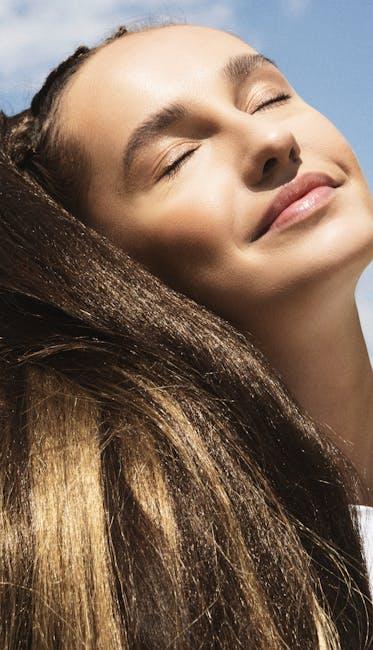
- Color Gradation: Watch for various shades developing over time. What once looked black might be developing overtures of brown, auburn, or even golden tints as the hair grows.
- The Influence of Sun Exposure: Just like how highlights brighten our hair, exposure to sunlight can lighten a child’s hair too! So, let those sunshine rays create a beautiful canvas on that baby head!
Nutrition and Health: A Factor In Hair Color Change
It’s not just genetics at play when pondering when do babies’ hair color change. Diet and nutrition, particularly in those early formative years, can also influence hair development.
- Nutrients Galore: Foods rich in vitamins B, D, E, and zinc are crucial for hair health. Including sweet potatoes, spinach, bananas, and fatty fish in their diet can support their overall hair growth.
- Hydration: Keeping your baby hydrated is equally important. Dehydration can lead to dryness, including for those glorious locks.
- Health Factors: In rare cases, certain health conditions might contribute to unusual changes in hair color or texture. If you notice drastic changes or are concerned, a chat with a pediatrician might be a good idea!
The Role of Melanin in Hair Color Change
Melanin is like the enchanted potion that dictates your little one’s hair color! Produced by specialized cells called melanocytes in the hair follicles, melanin is key to color variation.
- Eumelanin vs. Pheomelanin: As previously mentioned, the balance of these two types of melanin defines whether your baby’s hair is more dark or light.
The Importance of Patience and Understanding
While changes can be adorable and amusing, they can also be a smidgen confusing! Remember, the spectrum of color, texture, and even thickness can change unexpectedly.
Adorable Babies and Their Hair Color Evolution
To wrap things in a delightful bow, let’s recount some adorable thoughts:
- A total hair makeover: It’s not unusual to see natural changes that feel like a grand unveiling! The tiny curls that were once in shades of deep chocolate could transform into soft golden hues!
- Family Portraits: These color changes make family photos a fun guessing game about who is more likely to share those dreamy locks with your little one.
Conclusion: Cherishing the Hair Journey
So, when do babies’ hair color change? It’s really a delightful mystery that morphs over time, influenced by genetics, environmental factors, and a splash of love and care. As you witness those transformation moments, remember that every baby is unique. Embrace the joy of each stage and color – because, at the end of the day, every shade tells a delightful story in your baby’s journey!
For further reading, check out these resources: Healthline on Baby Hair Development and Parents on Baby Hair Changes.
Embrace the whimsy and wonder of it all! Keep the giggles coming and capture those precious hair moments—because life with babies is full of surprises!