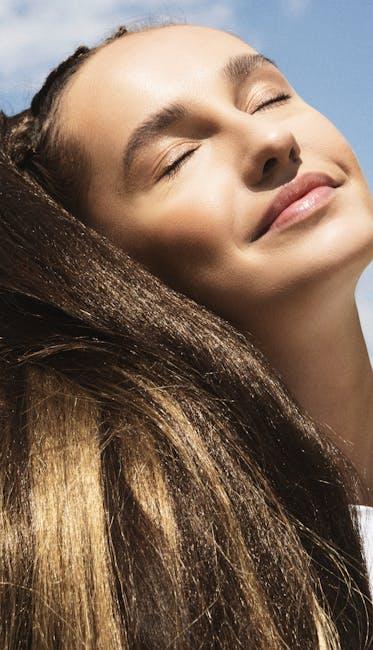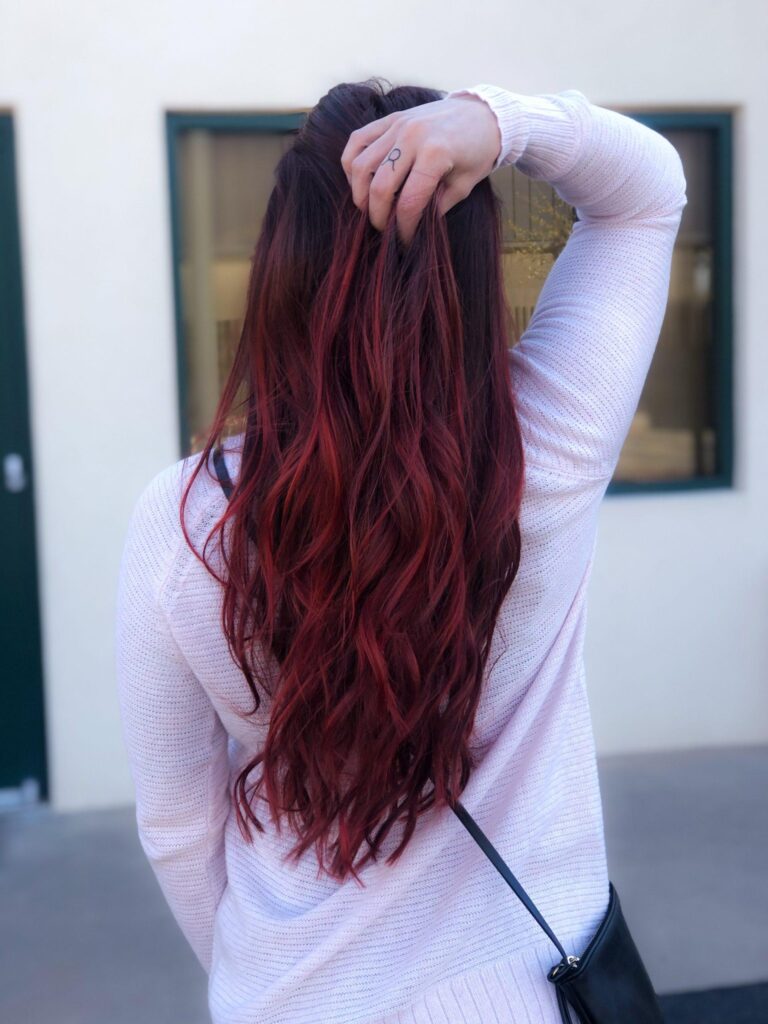

What’s the most common hair color? Well, my fabulous friends, let’s dive into the colorful world of hair! Hair color is one of those things that can transform your entire look — like, one minute you’re a blonde bombshell, and the next, you’re rocking a fiery redhead vibe. With a rainbow of colors out there, it’s fascinating to discover that despite all the choices, one color tends to reign supreme. Get ready to spill the tea and explore the world of shades, cultural significance, and the science behind it all!
Understanding Hair Color Genetics
When we ask, “What’s the most common hair color?” we inevitably venture into the intriguing realm of genetics. Hair color is primarily determined by the amount and type of pigments in the hair, particularly eumelanin and pheomelanin. Here’s a little breakdown of how it works:
- Eumelanin: The darker pigment found in hair, responsible for black and brown hues.
- Pheomelanin: The lighter pigment, which gives us blondes and redheads their stunning shades.
You may be wondering why not everyone has the same hair color. Well, darling, it’s all about your genetic makeup, which is a special mix that comes from your ancestors. Talk about an ancestral glow-up! Variations in these pigments can lead to a gorgeous array of shades, but ultimately, one shade stands out from the rest.
The Dominance of Brown Hair
Let’s cut to the chase, sweetheart. The most common hair color in the world is brown. Approximately 80% of the global population sports this stunning hair hue, making it the crown jewel of hair colors. Depending on the concentration of eumelanin, brown hair can range from light, honey tones to deep, dark chocolate bliss.
So, why is brown so prevalent? There’s a genetic element, of course! Brown hair is a dominant trait, which means if one parent has brown hair, there’s a pretty good chance their child will inherit it. Plus, brown hair is versatile. You can lighten it for that sun-kissed glow or darken it for a mysterious allure!
Other Common Hair Colors
While brown takes the cake, let’s not forget about the other fabulous shades that add flair to our lives! Here’s a quick rundown of the next most common contenders:
- Black Hair: With about 15% of the world sporting this shade, black hair is the second most common, contributing to an air of elegance and sophistication.
- Blonde Hair: Found in around 2% of the global population, blonde hair is often seen as a symbol of youth and cheerfulness. Honey, those golden tresses can light up a room!
- Red Hair: A beautiful rarity, natural redheads make up about 1% of the population. This striking hue is often celebrated for its uniqueness and vibrancy.
Cultural Significance of Hair Color
Understanding “What’s the most common hair color?” involves examining its cultural significance across various societies. In some cultures, different hair colors hold different meanings. For instance:
- Brown Hair: Often associated with reliability and strength. It’s the shade of deep-rooted wisdom, much like a sturdy oak tree.
- Black Hair: Frequently symbolizes power and elegance. Think of all those glamorous hairstyles rocked by legendary divas!
- Blonde Hair: Often linked to notions of beauty and youthfulness, like a ray of sunshine bursting through the clouds.
- Red Hair: In many cultures, this rare color is believed to have mystical connotations, representing passion, creativity, and fiery spirit.
There’s just something enchanting about how hair color, particularly brown, can shape perceptions across cultures, isn’t there? Each hue tells a story and speaks to the unique identity of its wearer.
The Science Behind Hair Color Changes
Ever wondered why some people go from brown hair to blonde or vice versa? The magic of hair color isn’t just about what you’re born with; it can also evolve over time. Factors such as aging, environment, and even health can lead to changes in hair color.
- Aging: As we age, our hair loses melanin, leading to that famous silvery look. Talk about a fabulous silver lining!
- Environment: Sun exposure can lighten hair, giving it a sun-kissed appearance. Meanwhile, swimming in chlorine water can have the opposite effect, turning beautiful hair into a weird greenish hue. Yikes!
- Health: Nutritional deficiencies or health conditions can also affect hair color. So, it’s super important to take care of oneself — for fabulous hair and overall health!
Trends in Hair Colors Over the Years
Trends are essential when discussing hair colors, and they can turn heads in all the right ways! Over the years, we’ve seen some seriously amazing styles take the spotlight. Let’s stroll down memory lane!
80s: The Wild Side
During the 80s, vibrant colors took center stage! Neon shades of pinks, blues, and even purples were all the rage. Who could forget that scrunchy bun with a pop of color peeking out? It was all about expressing individuality!
90s: The Chic Shift
Entering the 90s, we saw a shift toward more natural looks, but highlights emerged like stars! Honey blonde highlights embraced the golden locks, while rich browns were accentuated with caramel tones.
2000s: The Ombre Craze
Fast forward to the 2000s, and ombre hair became the go-to look. Seamlessly transitioning from dark roots to lighter ends, this style was both chic and low maintenance. Plus, it made a fabulous summer look!
Present Day: The Multicolor Delight
Today, anything goes! Rainbow colors, mermaid strands, and pastel shades are rocking the scene. Whether you want bold or subtle, the choices are endless — and who can resist that creativity?
Hair Care for Your Color
Now that we’ve explored “What’s the most common hair color?” and the various delights that accompany it, let’s talk about hair care. Caring for colored hair is crucial to maintain those luscious locks. Here are some fabulous tips to keep in mind:
- Use Color-Safe Shampoos: These gentle formulas help maintain hair color while nourishing the hair. Hello, hydration!
- Avoid Excessive Heat: Too much blow-drying or curling can lead to fading and damaged hair. Embrace air-drying for a more natural look!
- Regular Conditioning: Deep conditioning treatments once a week can work wonders for keeping colored hair vibrant. Think of it as a spa day for your hair!
Conclusion: The Spectrum of Hair Colors
So, what’s the most common hair color? Brown hair takes the gold medal, radiating versatility and reliability. However, the beauty of hair lies in its diversity — from black to blonde to red, every shade adds a unique allure to our world.
Every strand tells a story, whether you’re rocking those gorgeous brown locks or experimenting with playful hues. Embrace your hair color, and remember: It’s more than just a shade; it’s an expression of who you are!
For more fabulous information on hair and beauty trends, check out expert articles on NHS Hair Loss or Hair.com. Enjoy your hair journey, lovelies!