What Percentage Of Women Dies From Using Toxic Makeup?
In our glamorous world of beauty, the question arises: What percentage of women dies from using toxic makeup? While makeup can enhance our natural beauty and boost our confidence, there’s a darker side to some beauty products that we should be aware of. Toxic ingredients in makeup may pose serious health risks, and, let’s face it, no one wants their eyeliner to have an eyebrow-raising sideline in toxicity!
Understanding Toxic Makeup Ingredients
When we talk about toxic makeup, we’re referring to cosmetic products that contain harmful chemicals. These substances can range from parabens to heavy metals, and no, that’s not just a trendy band name! Here’s a little breakdown of common toxic ingredients found in makeup:
Common Toxic Ingredients
- Parabens: These preservatives can disrupt hormonal balance and are linked to various health issues. Bye-bye, sweet mascara!
- Phthalates: Often hidden in fragrances, these chemicals can cause reproductive problems. Yikes!
- Formaldehyde: Found in some nail polishes and eyelash glues, this ingredient is not exactly a party guest we want around.
- Lead: Shockingly, it can be found in lipsticks and is a neurotoxin. How can we enjoy a beauty moment knowing this?
- Toluene: Used in nail polish, it can affect the immune system, leading to dizziness and headaches. Sorry, but nobody wants a headache while trying to look fierce!
The Hidden Risks of Toxic Makeup
Let’s face it, we’re all for a little enhancement, but when beauty products come with a health warning, it’s essential to take notice. An alarming report indicated that over 75% of cosmetics contain harmful chemicals. This statistic brings us back to that burning question: What percentage of women dies from using toxic makeup?
While it’s challenging to attribute specific deaths directly to toxic cosmetics, studies have shown a correlation between continued use of toxic products and increased health risks, leading to serious conditions like cancer and reproductive issues. Women who use heavily contaminated products over long periods may be at greater risk. The troubling reality is that even if a product doesn’t lead to death, it can still cause significant health problems.
Link Between Toxic Makeup and Health Issues
Serious Health Risks
- Cancer: Some toxic ingredients have been linked to breast cancer and other forms of malignancy. It’s a scary thought, but it’s essential to be informed!
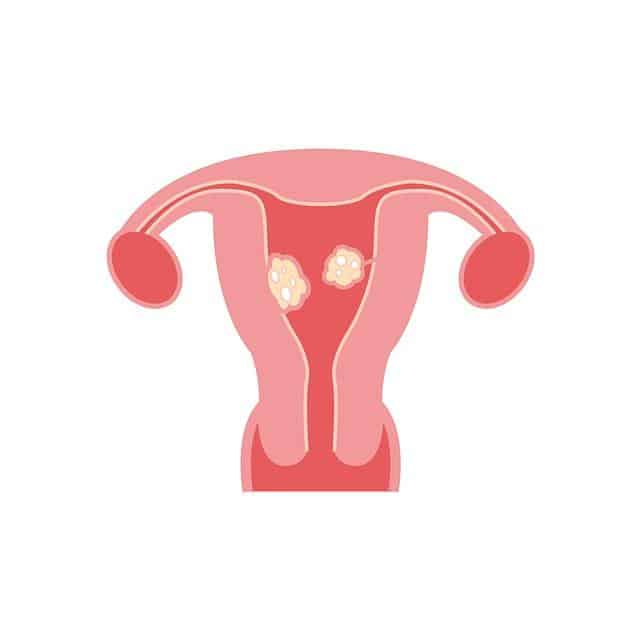
- Reproductive Health: Chemicals like phthalates and parabens can interfere with hormonal levels, leading to fertility issues.
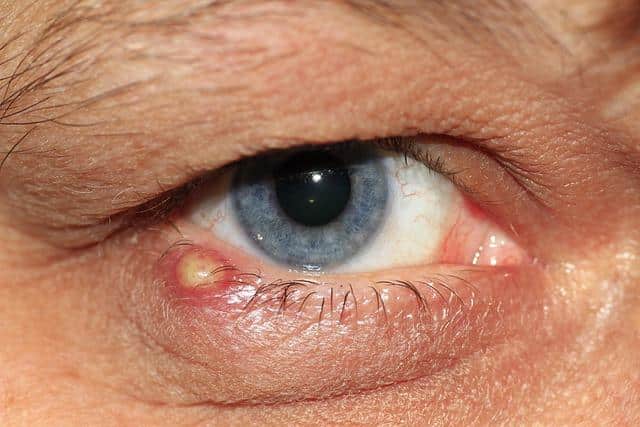
- Skin Conditions: Reactions to toxic makeup can result in rashes, allergies, and acne flare-ups. Honestly, no one wants to add “breakouts” to their beauty regimen!
Effects on Women of All Ages
Across the board, women of all ages use makeup, but younger women, in particular, might be at a higher risk due to the heavier usage of beauty products. According to studies, teenage girls use an average of 17 beauty products daily. Remember, constantly exposing your skin to potentially harmful substances isn’t the best idea.
The Prevalence of Toxic Makeup Use
When discussing what percentage of women dies from using toxic makeup, we can’t overlook the prevalence of products containing toxins. Research suggests that up to 80% of women use cosmetics daily. It’s alarming to think how many women could be risking their health without even realizing it.
Consumer Awareness
Fortunately, awareness is growing around toxic makeup ingredients. Consumers are becoming more savvy about reading labels and recognizing which products to avoid. The more we know, the better choices we can make!
Choosing Safe Beauty Products
When it comes to makeup, knowledge is power. Here are some tips for identifying safer beauty products:
Tips for Safe Makeup Choices
- Read Labels: Look for certifications or labels that indicate a product is free from harmful chemicals.
- Research Brands: Brands that focus on clean beauty often highlight how they avoid harmful ingredients. A quick internet search can empower your shopping.
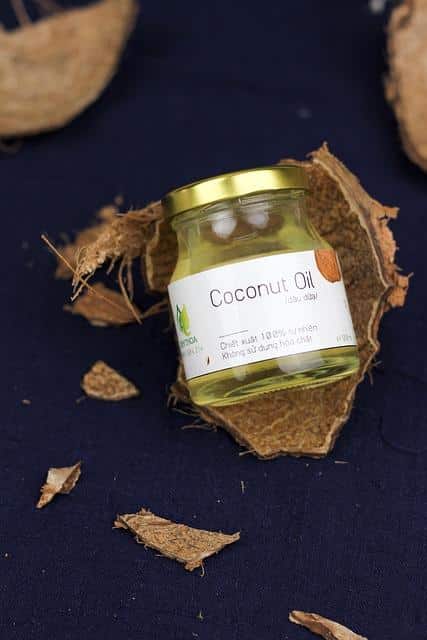
- DIY Options: Consider making your own beauty products using natural ingredients like coconut oil, shea butter, and essential oils. You’d be surprised how fun and effective it can be!
The Impact of Social Media and Marketing on Cosmetic Choices
Misinformation and Trends
Let’s get real—social media plays a massive role in our cosmetic choices. Influencers promote beauty products, but often without proper investigation into the ingredients. This can lead to poor choices and increased risk of exposure to toxic substances.
The Need for Transparency
There’s a growing demand for transparency in the beauty industry, with consumers asking for clearer information about ingredients. For instance, organizations like the Environmental Working Group (EWG) advocate for safer beauty products, pushing brands to disclose their ingredient lists more transparently. The more we demand transparency, the better the industry can respond!
What Can Be Done to Reduce Risk?
As consumers, there are several steps we can take to minimize our risk associated with toxic makeup.
Steps to Take
- Stay Educated: Arm yourself with knowledge about harmful ingredients by following reliable sources. This ensures you can make informed decisions regarding the products you use.
- Choose Sustainable Brands: Support brands that prioritize health and safety, avoiding those that use toxic ingredients.
- Spread the Word: Discussing the risks with friends and family raises awareness. Together, women can make more conscientious choices in beauty.
Conclusion: A Call for Beauty with Integrity
While what percentage of women dies from using toxic makeup remains a nebulous figure, the health risks associated with toxic beauty products cannot be ignored. It’s crucial to safeguard our health and choose wisely when it comes to our makeup routine. With knowledge and awareness, women can flaunt their beauty with confidence, ensuring that what adorns their faces is safe and glowing, just as it should be! Let’s join hands and embrace a healthier beauty journey, shall we?
For more information on toxic makeup and its effects, check out the informative resources available at the Environmental Working Group and Beyond Toxics. Your future self will thank you!