What Is The Racial Makeup Of The Us? The United States is the ultimate melting pot, where a delicious mix of cultures, ethnicities, and backgrounds creates a vibrant tapestry of identity and belonging. Understanding the racial makeup of the US gives us insight into the nation’s history, social dynamics, and evolving landscape. So, snuggle up with your favorite cozy blanket as we take a delightful stroll through the diverse racial composition of this iconic nation!
The Evolving Racial Landscape
The racial makeup of the US has changed dramatically over the years, influenced by immigration patterns, social movements, and changing demographics. In the early 20th century, America was predominantly white, but starting in the latter half of that century, the scene began to shift. As we dive into the details, it’s essential to recognize the complexity of America’s racial classifications and the significance they hold.
Racial Categories in the US Census
The United States Census Bureau has established various racial categories to track population changes. Here are the primary categories as defined by the Census:
- White (Non-Hispanic): Those who identify as white and do not associate with Hispanic or Latino origins.
- Black or African American: Individuals with origins in any Black racial groups from Africa and those who identify as being part of these groups.
- Asian: This category encompasses people with origins in the Far East, Southeast Asia, or the Indian subcontinent.
- American Indian and Alaska Native: Individuals who have origins in any of the original peoples of North America and who maintain a tribal affiliation or community attachment.
- Native Hawaiian and Other Pacific Islander: Persons with origins in Hawaii, Guam, Samoa, or other Pacific Islands.
- Mixed Race: Those who identify with two or more racial backgrounds, a category that has grown significantly.
- Hispanic or Latino: This is an ethnic category that includes individuals of any race who identify as Spanish, Portuguese, or Latin American descent.
These categories help provide a clearer picture of what the racial makeup of the US truly looks like.
Demographic Influence on Racial Composition
The Importance of Immigration
One of the most significant factors contributing to the racial makeup of the US is immigration. The late 19th and early 20th centuries saw waves of immigrants from Europe, Asia, and Latin America. This influx diversified the racial landscape, bringing in different cultures and traditions.
According to the United States Census Bureau, approximately 13.5% of the US population was born outside the country, with predominant groups hailing from Mexico, China, India, and the Philippines. With each wave of new residents, the cultural fabric of America continues to expand.
A Look at the Numbers
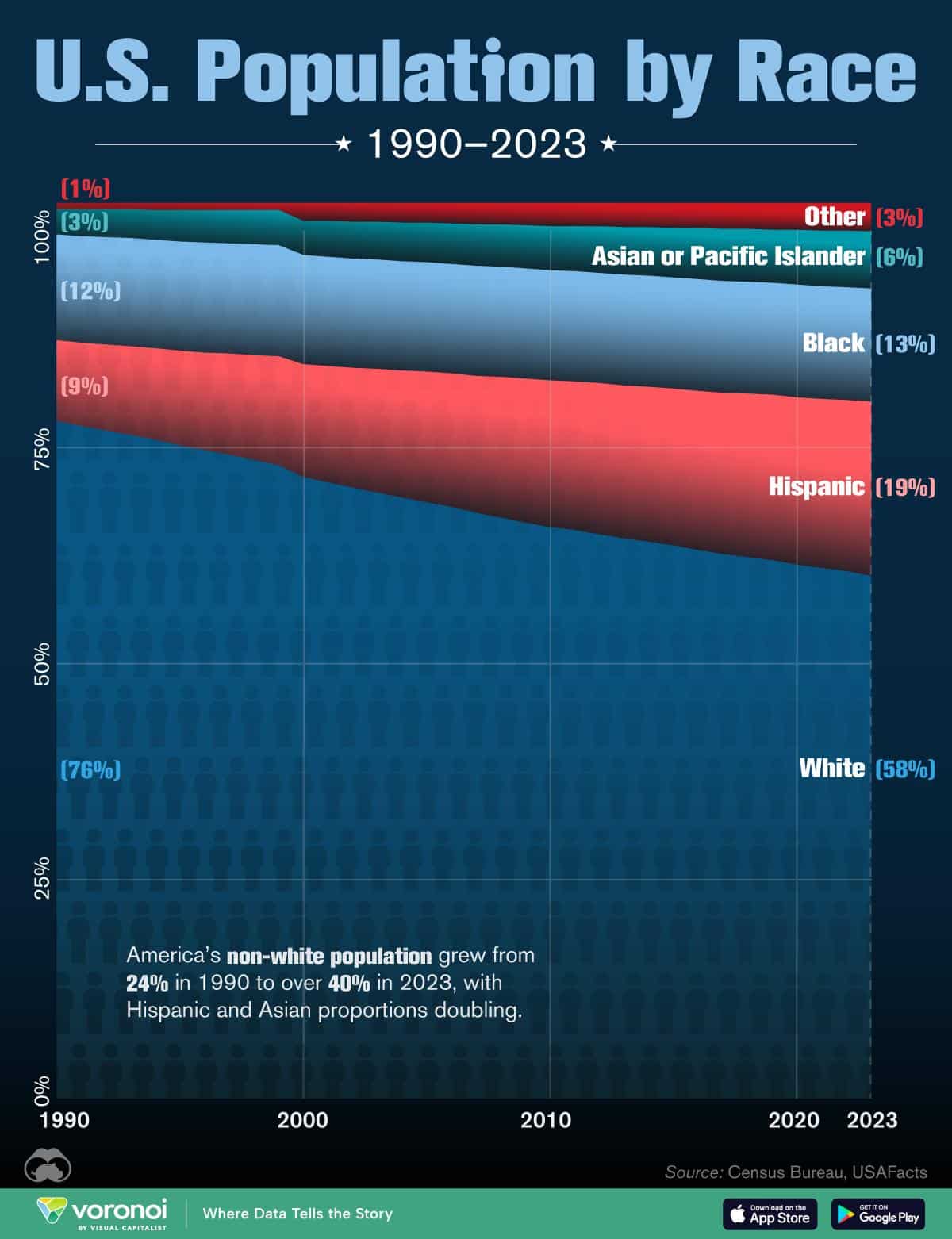
As of the most recent census data, the racial makeup of the US is beautifully complex and diverse. Below is a table summarizing key demographics based on the latest racial statistics:
| Racial/Ethnic Group | Percentage of Population |
|---|---|
| White (Non-Hispanic) | 57.8% |
| Hispanic or Latino | 18.7% |
| Black or African American | 13.4% |
| Asian | 5.9% |
| American Indian and Alaska Native | 0.7% |
| Native Hawaiian and Other Pacific Islander | 0.2% |
| Two or More Races | 2.8% |
Such statistics are essential for understanding the broad demographic trends that shape the American experience and its cultural richness.
Regional Diversity Across the US
Racial Makeup by Region
The racial makeup of the US varies significantly by region. Here’s a fun breakdown:
- Northeast: Home to a mix of races, this region boasts a high population of White (Non-Hispanic) and Black (African American) individuals, particularly in urban centers like New York and Philadelphia.
- Southeast: The demographic includes a pronounced percentage of Black or African American individuals, especially in states like Georgia and Florida. The Hispanic population is also important here.
- Midwest: Traditionally more White, this region is experiencing an increase in Asian and Hispanic populations, especially in urban areas like Chicago and Detroit.
- West: With a substantial percentage of Asian Americans and Hispanics, the West is a vibrant mosaic of cultures. California shines bright with its Latino communities and diverse populations from around the globe.
- Southwest: The heart of the Hispanic population resides here, driven largely by immigration from Mexico and other Latin American countries, transforming the region’s cultural landscape.
Understanding the racial makeup of the US in a regional context helps us appreciate the distinct cultural nuances across the nation.
Challenges of Racial Identity
The Fluidity of Racial Categories
One of the most fascinating aspects of the racial makeup of the US is the concept of racial identity. In a world constantly shifting, individuals feel free to identify in ways that resonate with their personal experience. The United States is witnessing a rise in people who identify as multiracial, highlighting the complexities of race and ethnicity in modern life.
According to the Pew Research Center, about 10% of the US population identifies as multiracial, and this number is expected to grow. This change reflects a society embracing inclusivity, blending traditions, and celebrating intersectionality.
Societal Implications of Racial Makeup
The racial makeup of the US comes with unique challenges and opportunities. While diversity enriches the cultural landscape, it also highlights disparities in economic, educational, and social realms. Issues like systemic racism, unequal access to resources, and social justice movements emerge from this complex fabric.
Understanding the implications of this diverse makeup calls for empathy and awareness, fostering unity while celebrating individuality. Conversations centered around race must be approached with care, compassion, and an open heart.
Celebrating Diversity Through Culture
The Impact of Cultural Contributions
The racial makeup of the US contributes immensely to its cultural identity, influencing everything from cuisine to art. The country is blessed with a kaleidoscope of traditions, whether it’s the scrumptious tacos that tickle our taste buds or the music styles that make our hearts dance. Here are some glorious highlights:
- Cuisine: The culinary scene in America is a fusion reflecting its multicultural influences. Italian, Mexican, Asian, and soul food are just a few examples of how diverse flavors blend harmoniously.
- Music and Dance: Music is the heartbeat of America. Genres like jazz, blues, hip-hop, salsa, and rock-n-roll have roots in different racial and ethnic backgrounds, showcasing the creativity and spirit of various communities.
- Festivals and Celebrations: From Diwali to Mardi Gras, America is brimming with festivals that celebrate its diverse heritage, allowing people to learn about and appreciate different cultures.
It’s clear that the racial makeup of the US plays a vital role in shaping the nation’s cultural heartbeat, infusing innovation and passion into all aspects of life.
The Future of Racial Composition in the US
Projections for Racial Diversity
Looking ahead, the racial makeup of the US is expected to evolve even further. Demographers predict that by 2045, the nation will become “majority-minority,” meaning that no single racial group will constitute a majority. This landmark shift will redefine the American identity.
Embracing Change and Inclusivity
As the racial makeup of the US continues to diversify, embracing change and fostering inclusivity is crucial. Engaging in dialogues around race, understanding cultural nuances, and standing against discrimination are essential steps toward building a harmonious society.
The beauty of a diverse nation lies in its ability to weave unique stories and experiences, and embracing this diversity is the key to a brighter, more equitable future for everyone.
the racial makeup of the US is a testament to the beauty of diversity, resilience, and solidarity. As we navigate this dynamic landscape, let’s celebrate our differences, lift each other up, and create a future filled with understanding and love.