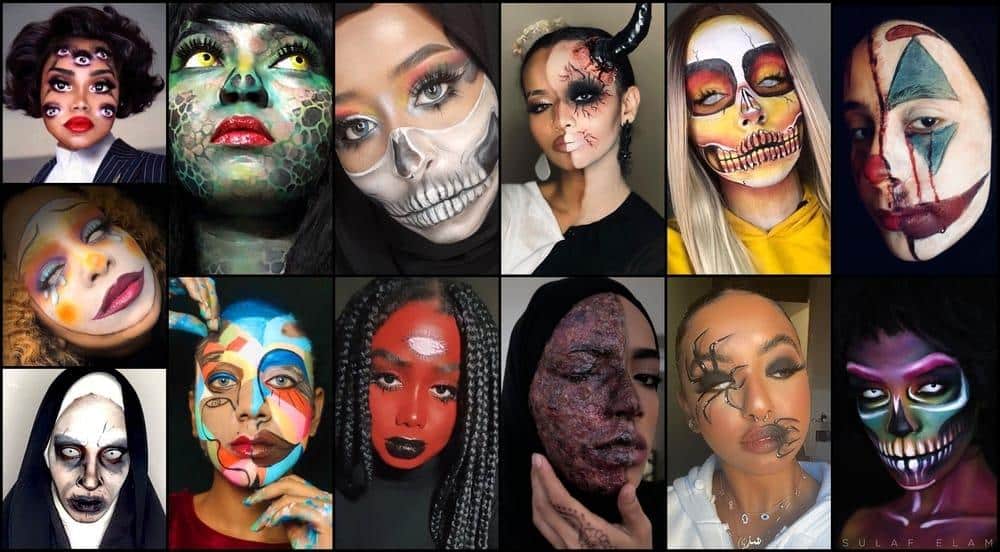
What is special effects makeup? Well, darling, it’s that magical world where ordinary faces turn into something completely extraordinary! It’s a fabulous form of artistry that enhances films, theater, and even haunted houses with jaw-dropping transformations. Imagine walking into a movie and seeing someone’s face covered in mind-blowing wounds, or maybe a creature that could easily star in its own feature film! That’s the beauty of special effects makeup, and let’s dive into this glittering universe together.
Understanding the Basics of Special Effects Makeup
Special effects makeup is an innovative blend of artistry and science that goes beyond traditional beauty applications. It involves an array of techniques used to create realistic illusions that can evoke emotions, tell stories, or create a visual feast on the screen or stage. This fantastic art form combines prosthetics, face painting, and even 3D modeling (thanks to technology) to bring characters to life in ways that leave audiences gasping in awe.
The Components of Special Effects Makeup
When exploring what is special effects makeup, one must consider the essential components that make it a little slice of magic:
- Prosthetics: Silicone, latex, or foam materials designed to alter facial structures, creating the illusion of scars, wounds, or fantastical creatures.
- Face Paint: Specially formulated paints that can withstand the heat of performance while maintaining their vibrancy.
- Hair Pieces: Wigs, facial hair, and other hair pieces that assist in character transformations.
- Application Tools: Brushes, sponges, and airbrush systems which help create the perfect blend for a flawless finish.
The Importance of Special Effects Makeup in Storytelling
At its core, special effects makeup is about storytelling. It adds a layer of believability that captures audience attention. Characters can be brought to life with wounds that look like they’ve survived a horror movie or vampires that look as sexy as they are terrifying. This craft allows filmmakers to push boundaries and explore narratives that would be unimaginable without the ability to visually enhance characters.
Historical Background of Special Effects Makeup
Once upon a time, many moons ago, in the days of early cinema, makeup was primarily focused on enhancing natural beauty. The limited technology forced artists to use minimal techniques, often relying on simple makeup and lighting. Fast forward to the late 19th century, and the film industry began to explore the art of special effects makeup.
The Rise of Special Effects Makeup Legends
Lon Chaney, known as the “Man of a Thousand Faces,” was one of the pioneers of special effects makeup in film. His transformative abilities laid the foundation for future makeup artists. As the industry blossomed, more incredible techniques emerged, including:
- The use of latex and gelatine: These materials allowed for more realistic wounds and scars.
- The advent of color film: Makeup now had to adapt to vibrant colors, leading to the development of richer palette options.
- The combination of special effects with digital technologies: Today, artists often collaborate with CGI (computer-generated imagery), enhancing their work beyond practical limits.
As the decades rolled on, we saw legends like Rick Baker and Stan Winston bringing characters from our wildest nightmares to life with their uncanny skills, further inviting audiences to find beauty in the grotesque.
Techniques That Every Special Effects Artist Should Know
When delving deeper into what is special effects makeup, it’s crucial to understand the various techniques used to achieve all those fabulous looks. Each technique requires precision, creativity, and a dash of bravery!
Sculpting and Molding
Sculpting is often the first step in creating prosthetics. Artists use clay to mold their designs before transferring them to materials like silicone or latex. This stage takes talent and finesse as artists must consider texture, shape, and size.
Application Methods
The application of special effects makeup can vary significantly based on the design and concept. Some methods include:
- The Laydown Method: Applying prosthetics directly onto the actor’s skin using a safe adhesive.
- The Transfer Method: Using pre-made effects that adhere to the skin without much fuss and effort.
Painting and Finishing Touches
Once the prosthetics are applied, the next step involves painting them to blend with the actor’s skin tone and surroundings. This step is critical in achieving realism. Artists use different techniques like airbrushing or stippling to create depth and dimension.
Popular Types of Special Effects Makeup
Here, we discover the delectable world of different types of special effects makeup that have made waves in film, theater, and beyond! Think of it like a makeup buffet, where each dish has its own distinct flavor!
Creature Effects
Animalistic transformations are not just for Halloween! From furry beasts to scaly reptiles, creature effects take the cake in special effects makeup. Artists often use elaborate prosthetics and makeup to bring legendary creatures to life, captivating audiences and pushing boundaries.
Horror Makeup
What is special effects makeup without some good ol’ horror? Fake blood, gory wounds, and other creepy elements come alive in this category. The chilling aspect of horror makeup is its ability to incite fear through transformation - especially when combined with thrilling storytelling!
Character Makeup
This type of design focuses on creating unique characters, whether they be fantastical beings from another realm or whimsical figures in a child’s adventure film. The possibilities are endless, and creativity knows no bounds here!
Fantasy and Historical Makeup
Transporting us back in time or to distant realms, fantasy and historical makeup allow artists to play with time and possibility. Think of wizards, fairies, or even historical figures brought to life with intricate detail, highlighting the beauty of days past or imagined.
The Tools of the Trade
Creating magic doesn’t happen without the right tools! Here’s a handy list of must-have special effects makeup tools for every aspiring artist:
| Tool | Description |
|---|---|
| Makeup Brushes | Essential for precise application and blending. |
| Sponges | Perfect for adding texture and applying foundation. |
| Airbrush Kit | Ideal for seamless blending and detailed effects. |
| Prosthetic Adhesive | Used for applying prosthetics securely. |
| Face Paint | Highly pigmented formulas that withstand performances. |
Getting Started with Special Effects Makeup
Should you feel the call of the creative spirit to experiment with special effects makeup, starting your journey can be both exciting and overwhelming! Here’s a small guide to start your special effects adventure:
Invest in Quality Products
While the lure of cheaper products may be tempting, investing in quality materials will save you time, effort, and heartache in your artistry. Research reputable brands known for their reliability in special effects.
Practice on Yourself or a Friend
Grab a willing friend or love your own face! Starting small can build your confidence and allow you to explore techniques without the pressure of a performance. If it gets messy, just laugh! It’s all part of the fun!
Watch Tutorials
YouTube is filled with passionate artists sharing their techniques! Delve into various tutorials to broaden your understanding and pick up new tricks. It’s a treasure trove for creative souls everywhere.
Join a Community
Consider joining online forums or local clubs filled with like-minded individuals. Such communities offer support, share techniques, and be a wonderful source of inspiration.
Career Opportunities in Special Effects Makeup
If transforming faces into works of art sounds like your jam, there’s a spectrum of career paths to explore in the realm of special effects makeup. From film sets to fashion shows, the opportunities are endless!
Film and Television
The most recognized field for special effects makeup artists lies in film and television. Working on major productions can be thrilling! Here, artists can help develop characters and bring scripts to life with their unique talent.
Theatre and Stage Productions
Theatre is where special effects makeup truly shines. Live performances require an incredible level of detail, and those magical transformations have to hold up under the pressure of lighting and close-up audience views!
Haunted Attractions
Are you feeling a bit spooky? Many haunted houses hire talented makeup artists to create terrifying looks for their ghouls and creepy creatures. It’s a fun way to showcase creativity in a thrilling environment!
Cosmetic Brands and Fashion Shows
There’s also the opportunity to work with cosmetic brands or on fashion shows that require cutting-edge makeup looks. These gigs can be just wildly creative and an exciting platform to demonstrate talent.
Conclusion on What Is Special Effects Makeup
What is special effects makeup? It’s a wondrous fusion of artistry, storytelling, and pure imagination! This world invites everyone to explore creativity while transforming ordinary appearances into magnificent works of art. Whether through film, theatre, or even your own bathroom mirror, special effects makeup is not just a profession; it’s an adventure that allows one to escape reality and embrace their inner storyteller. So grab your brushes, let your creativity run wild, and remember, darling, every detail from scars to sparkles can tell a story! ✨