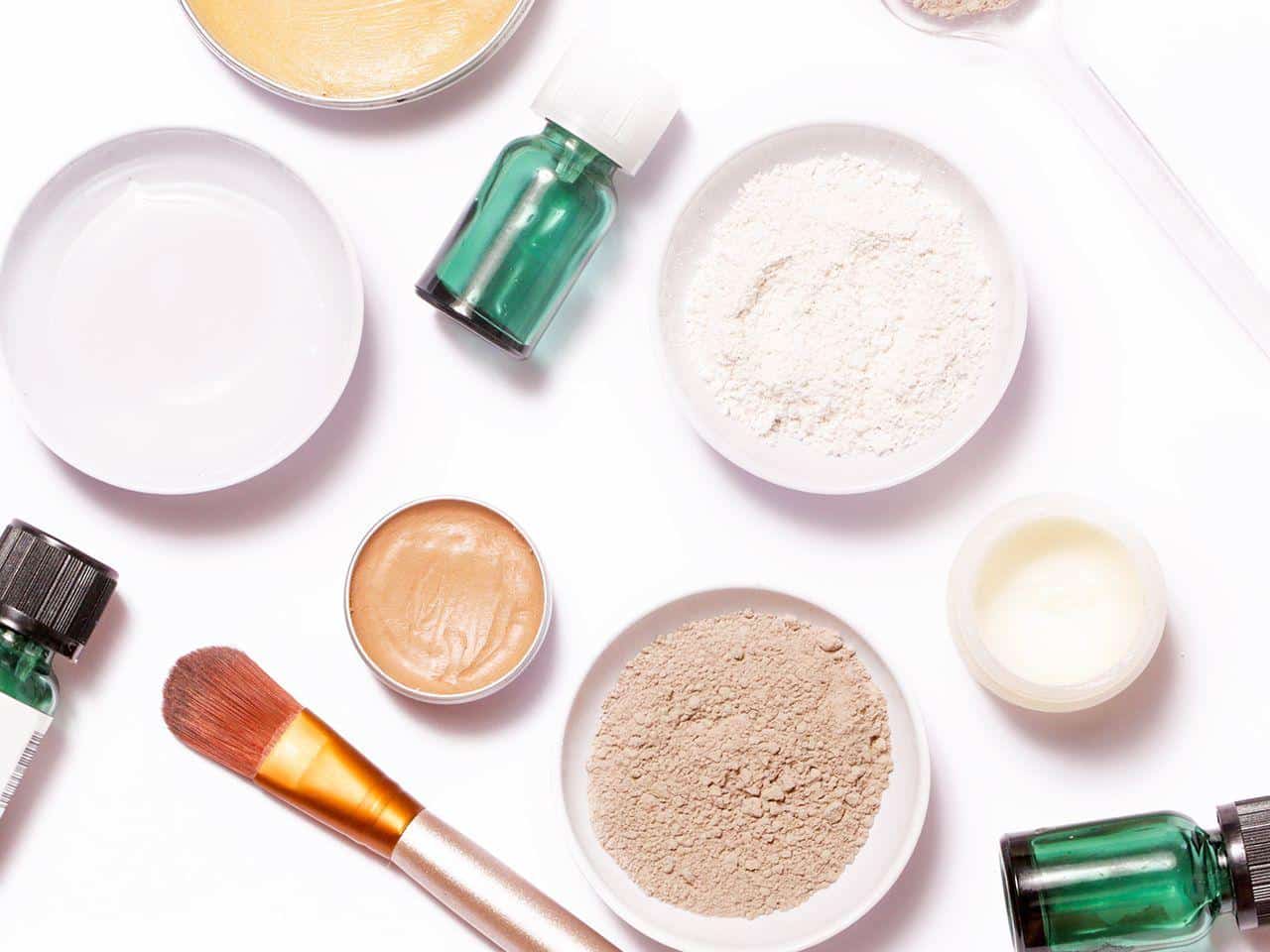
Makeup is often seen as a magical powder that transforms us and makes us feel confident and beautiful. But have you ever wondered, what is makeup made from? From our beloved lipsticks to silky foundations, every product has a unique story that often goes untold. Understanding the ingredients that construct our favorite beauty products is not only fascinating but also helps us make informed decisions about what we put on our skin. So, let’s dive into the enchanting world of makeup and uncover its secrets!
The Basic Components of Makeup Products
Emollients and Oils
One of the primary ingredients in many makeup products is emollients and oils. These are essential for giving makeup its lovely glide and texture. They ensure that the products don’t just sit on the skin but blend seamlessly, making us feel like we’re radiating goddess energy. Here are some common examples:
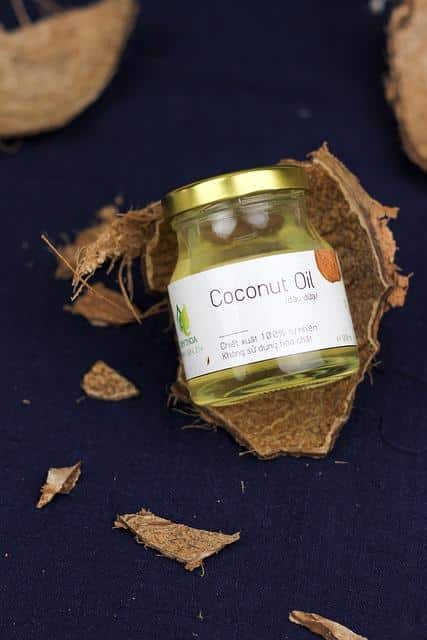
- Coconut Oil: Super trendy in recent years, this is not only a moisturizer but also works great in various skincare products.
- Argan Oil: Often touted as “liquid gold,” this oil is known for its hydrating properties and is perfect for dry skin.
- Jojoba Oil: This one mimics our skin’s natural oils, making it highly compatible and addictive for daily use.
Emollients can come from both natural and synthetic sources. They help create a barrier between the makeup and the skin, enhancing wearability and comfort, making them essential in answering what is makeup made from.
Pigments and Dyes
Color is the heart of makeup—after all, what would a killer red lipstick be without its vibrant hue? Pigments and dyes are what give each product its unique color. They can be derived from multiple sources:
- Synthetic Pigments: These man-made versions offer stability and a vast color palette. Think fluorescent pinks and deep purples!
- Natural Pigments: Ingredients like beet juice and turmeric are making a comeback, beloved for their organic roots. They provide color but may vary more in hue and potency.
High-quality pigments not only ensure that makeup performs well in terms of color but also play a significant role in its overall longevity. This curious interplay of pigments is another fascinating insight into the question, what is makeup made from?
Preservatives and Stabilizers
To keep our products fresh and effective, preservatives and stabilizers play a crucial role. Makeup that could go bad overnight? No thank you! Here’s a friendly rundown:
- Parabens: These are some of the most commonly used preservatives that help prevent bacterial growth. However, their safety is often debated.
- Phenoxyethanol: A popular paraben alternative, it’s effective in keeping products safe from spoilage while being less controversial.
Preservatives ensure that the magic remains intact in that cute little pot. So when we’re asking, what is makeup made from, preservatives are not to be overlooked!
Fillers and Binders
For makeup to have that luxurious feel, a baby is often packed with fillers and binders. These ingredients help control consistency and ensure that products glide easily over the skin. Here’s the scoop:
- Talc: A classic filler that’s super soft and often used in powders.
- Mica: This mineral gives makeup its sparkle and shimmer. Imagine that IRL sparkle!
While fillers might get a mixed reputation, they are quintessential in playing their role in delivering a fabulous experience when applying makeup. Let’s take a moment to appreciate these unsung heroes in our allure—because quality makeup is often about those little details, right?
Types of Makeup Products and Their Unique Ingredients
Foundations and BB Creams
When it comes to complexion products like foundations and BB creams, the ingredients vary widely depending on the formula. Here’s what goes into them:
- Water: The primary ingredient in many foundations, providing moisture and a lightweight feel.
- Silicones: These ingredients create a smooth texture and allow for that airbrush finish we adore.
Key Ingredients in Foundations
| Ingredient | Function |
|——————|——————————|
| Water | Hydration and texture |
| Silicones | Smooth finish & longevity |
| Pigments | Color and coverage |
| Emollients | Moisture and blendability |
Lip Products
Lipsticks and glosses are often made with a combination of oils, waxes, and pigments. Here’s the breakdown:
- Beeswax: Keeps lip products firm while providing nourishment.
- Metallic Pigments: For those shimmering glosses that can turn waves of heads.
Key Ingredients in Lip Products
| Ingredient | Function |
|——————|————————|
| Beeswax | Structure and nourishment|
| Oils | Moisture and softness |
| Pigments | Color and shine |
Eye Makeup
When it comes to eye makeup, the stakes are high! We want it to last all day while being safe for our delicate skin. Here’s a peek:
- Ceramides: These are becoming increasingly popular in eye creams and can be seen in some brow products to enhance moisture and protection.
- Preservatives: Essential to prevent eye infections, especially in products like mascara and eyeliners.
Key Ingredients in Eye Products
| Ingredient | Function |
|——————|——————————–|
| Ceramides | Moisture and protection |
| Preservatives | Safety and longevity |
| Pigments | Tailored colors and finishes |
Natural vs. Synthetic Makeup Ingredients
We’re in the middle of a beauty renaissance, and many of us are sticking to the mantra: natural is best! But let’s take a moment to weigh the pros and cons of natural vs. synthetic ingredients.
Natural Ingredients
Natural makeup ingredients come from plants, minerals, and animals. They are often more eco-friendly and loved for their skin-loving properties. Here are a few favorites:
- Shea Butter: Known for its intense moisturizing abilities.
- Essential Oils: These sweet-smelling oils give makeup a luxurious feel.
The downside? Natural ingredients can be pricier and often have shorter shelf lives, which can influence your beauty routine!
Synthetic Ingredients
On the flip side, synthetic ingredients offer consistency and reliability. They can hold up against the elements and frequently blend better.
- Silicone: This is loved for its smoothing properties and longevity.
- Parabens: As mentioned earlier, these can stabilize products effectively!
The love/hate relationship is real—while synthetic options may lead to less irritation for some, others may prefer their beauty from the botanical realm!
How to Read Makeup Labels
Navigating through makeup labels can often feel like deciphering a secret code. But don’t fret! Here are a few tips to help you understand what is makeup made from:
- Ingredient Order: Ingredients are listed in descending order based on their concentration. Keep an eye on the top five!
- Look for Safety Certifications: Seek out products that have been dermatologically tested or are hypoallergenic, especially for sensitive skin.
Taking the time to read labels ensures we are only using the best of the best!
The Future of Makeup Ingredients
Just when you think you’ve seen it all, the future of makeup ingredients is bursting with innovation! From sustainable materials to lab-grown alternatives, there’s no shortage of exciting developments on the horizon.
Clean Beauty Trends
The clean beauty trend focuses on transparency, safety, and ethical production. Think eco-friendly packaging and sustainable sourcing—yes, please! Brands are listening, and the conscious consumer can wear their beauty with pride.
Lab-grown Skincare Ingredients
With advances in science, we may see lab-grown ingredients that mimic nature more accurately, providing higher-quality products while reducing environmental stress.
Blockchain for Transparency
Can you imagine tracking your makeup ingredients back to their source? Blockchain technology is paving the way for more transparency in beauty, which is exciting for both brands and buyers.
Conclusion on Makeup Ingredients
Understanding what is makeup made from is just as important as knowing how to apply it. By investing time in researching the ingredients that go into our beauty products, we’re empowered to make choices that reflect our values and preferences! Whether you lean towards luxurious emollients, plant-derived pigments, or cutting-edge synthetic formulas, the world of makeup is ever-evolving, and there’s something for everyone.
Now, go ahead and strut your knowledge about what you’re putting on that lovely face of yours and embrace the art of glam—because every swipe, dab, and blend comes with a story that deserves to be celebrated!