
What Is Good Lighting For Makeup? Finding the perfect lighting is essential for applying makeup flawlessly. Good lighting can make the difference between a makeup masterpiece and a makeup mishap! Whether you’re getting ready for a glamorous night out or just want to look fabulous for your daily grind, the right lighting will not only help you see what you’re doing but also ensure your makeup looks polished and professional.
The Importance of Good Lighting for Makeup
When we talk about what is good lighting for makeup, we’re stepping into the realm of beauty and artistry. Natural sunlight is often hailed as the holy grail of lighting, giving you a clear, unfiltered view of how your makeup appears. Here’s why lighting is critical:
- Visibility: Good lighting helps you see the true colors and textures of your makeup products. You wouldn’t want to leave the house with mismatched foundation or harsh contour lines, right?
- Shadows: Lighting plays a huge role in the way shadows are cast on your face. Without adequate lighting, those pesky shadows can mislead you into thinking your makeup is applied correctly.
- Real-Life Check: Sometimes, the lighting in your home might make you look glam, but stepping outside could reveal a whole different story. Good lighting helps in managing those transitions.
Ideal Types of Lighting for Makeup Application
Natural Light
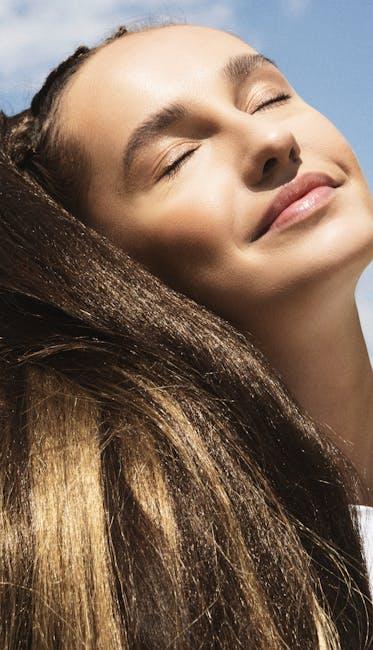
Natural light is like the fairy godmother of makeup illumination! It’s soft, even, and allows you to see your makeup in its true color and texture. But here’s the catch—natural light hinges on time and weather!
- Location: Make sure to apply your makeup by a window during daylight hours. North-facing windows are ideal because they provide diffused light, perfect for makeup application.
- Be Mindful of the Time: Early morning light is soft and flattering, but direct midday sun can be harsh and cast unforgiving shadows.
Artificial Light
For those of us who love to indulge in late-night makeup sessions or live in a place where natural light is elusive, artificial lighting becomes crucial. Here’s what to look for:
Soft White Bulbs
Soft white bulbs, typically around 2700K-3000K, mimic the warmth of natural light. These bulbs reduce harsh shadows and create a cozy environment while you doll up! Aim for light fixtures that provide ambient lighting for a glow that highlights your best features.
Daylight Bulbs
Daylight bulbs usually range from 5000K to 6500K. These are a fabulous option as they simulate daylight more accurately. Using daylight bulbs allows you to see the sharpness and true color of your makeup, helping prevent those “oops” moments before heading out the door.
Vanity Lights
Lighting plays a pivotal role for those looking for the perfect vanity setup. Invest in good quality vanity lights to illuminate your space beautifully. Here are a few traditionally favored styles:
- Hollywood Vanity Mirrors: These are the quintessential choice! Surrounded by bright bulbs, they provide even and flattering light around your face. Plus, they look super chic!
- Ring Lights: Perfect for the makeup lover who also happens to be a social media enthusiast! Ring lights provide soft, even light that minimizes shadows and creates a flawless finish.
Color Temperature in Lighting
Understanding color temperature is essential when evaluating what is good lighting for makeup. Here’s a simple breakdown to keep in mind:
| Color Temperature | Description | Best for Makeup |
|————————|————————————-|————————|
| 2700K-3000K | Warm white | Soft, natural finish |
| 3500K-4100K | Cool white | Bright, crisp look |
| 5000K-6500K | Daylight white | Flawless application |
As you can see, the warmer tones (2700K-3000K) are best for softer, flattering makeup, while the cooler tones (5000K-6500K) are perfect for precision work.
Tips for Setting Up Your Makeup Lighting
Maximize Your Space
When considering what is good lighting for makeup, keep an eye on maximizing your space to ensure light reaches all angles. Here’s how:
- Mirror Placement: Ensure your mirror is in a well-lit area. Consider setting it near a window for natural light, and enhance it with led lights to brighten those corners.
- Layer Your Lighting: Combine overhead lights with task lighting (think vanity lights) for a well-rounded glow! This technique ensures there are no unwanted shadows lurking, making your application a breeze.
Experiment and Adjust
Don’t hesitate to experiment with different lighting setups until you find what works best for you! Lighting can dramatically change how makeup appears, so remember to take selfies in different lights to see how you look—a little Instagram magic can go a long way!
Maintaining Your Lighting Setup
Once you’ve found your perfect lighting, maintaining it is essential. Dust those bulbs, check for burnt-out lights, and replace them often to keep your makeup area glamorous and inviting. A dirty or dim light can alter your makeup application completely, and who wants that drama?
The Bottom Line on Good Lighting for Makeup
understanding what is good lighting for makeup encompasses various lighting types, color temperatures, preferences, and setups. Here’s a quick summary:
- Natural Light is best but requires scheduling.
- Soft white and daylight bulbs help create the ideal artificial lighting.
- Vanity lights can dictate how seamlessly your makeup application can proceed.
- Color temperature can affect how your makeup appears on different occasions.
- Layering and experimenting with light sources ensures the most flattering results.
So, ladies (and gents), don’t let bad lighting be the bane of your makeup dreams! Embrace the glow, and let your beauty shine through. Remember, your makeup deserves to be seen in all its glory! For additional insights on lighting do’s and don’ts, check out this fabulous lighting guide. Happy beautifying!