What Hormones Affect Hair Loss? Hair loss can be an emotional rollercoaster, can’t it? One moment, you’re flaunting those gorgeous locks, and the next, it feels like they’re staging a dramatic exit! But did you know that hormones play a huge role in this process? Yes, darling, hormones are the real MVPs when it comes to hair health. Let’s dive into this juicy topic and discover what hormones affect hair loss!
Understanding the Connection Between Hormones and Hair Loss
It’s absolutely mind-blowing how interconnected our bodies are, right? Hormones are like little messengers that communicate critical information throughout our system. When it comes to hair loss, there are a few key players involved, and understanding their roles will help you better navigate this hairy situation (pun intended!).
The Big Players in Hair Loss: Androgens
Androgens are typically thought of as male hormones, but hold on a second, ladies! Women produce androgens too, just in lower quantities. Testosterone and dihydrotestosterone (DHT) are the most notable hormones within this group and they can have a significant impact on hair growth.
The Role of DHT in Hair Loss
DHT is like that friend who’s fun at first but quickly becomes a total downer; it’s derived from testosterone and can bind to hair follicle receptors, leading to shrinkage. This process is called follicular miniaturization, where hair follicles gradually become thinner and eventually stop producing hair altogether. In women, this can result in thinning hair on the crown and temples.
Estrogen and Hair Growth
Now let’s chat about estrogen, our beloved female hormone. It’s responsible for keeping our hair thick and luscious! As estrogen levels decline, particularly during menopause, women can experience hair thinning. So, it’s not just a fashion crisis; it’s science, darling! A decrease in estrogen means an increase in the relative effect of androgens, hence why some women notice hair loss as they age.
Progesterone: The Underestimated Hero
Progesterone might not be the first hormone that comes to mind when you think about hair loss, but it’s worth mentioning, too! This fabulous hormone helps to balance the effects of estrogen and androgens. If progesterone levels are too low, it might lead to an imbalance that exacerbates hair thinning. So, keep that in mind—it’s all about maintaining that harmony in our hormonal symphony!
Hormonal Disorders That Affect Hair Loss
Let’s get a little deeper into the hormonal drama! Certain hormonal disorders can really wreak havoc on our luscious tresses.
Polycystic Ovary Syndrome (PCOS)
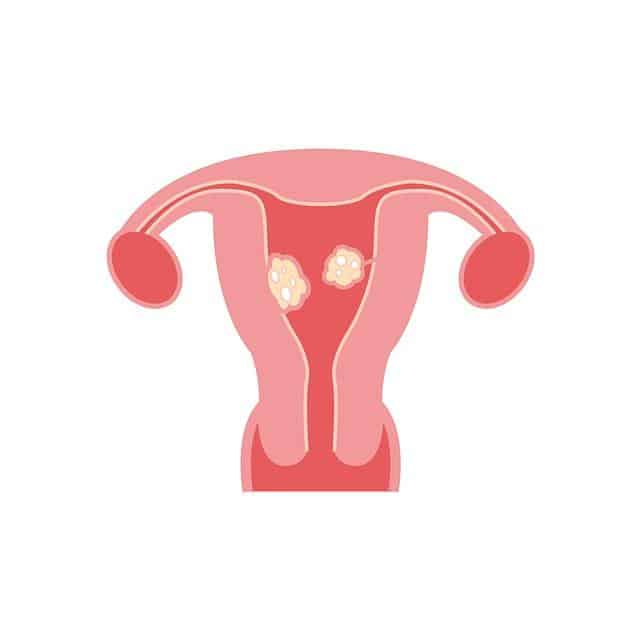
PCOS is basically like that unwanted houseguest who just won’t leave. It’s linked to an excess of androgens, which can lead to hair thinning on your scalp while you might be sprouting hairs in places where you least want them—ugh! To combat PCOS-related hair loss, it’s super important to focus on balancing those hormones.
Thyroid Dysfunction and Hair Loss
Hypothyroidism (an underactive thyroid) can also lead to hair loss. If your thyroid isn’t producing enough hormones, it can result in weak, brittle hair. On the flip side, hyperthyroidism (overactive thyroid) can lead to sudden hair fall. Getting that thyroid checked is so crucial if you’re experiencing hair loss that doesn’t seem to align with other common causes.
Menopause and Hormonal Changes
Menopause can feel like a whole new chapter (sometimes a scary one!) in a woman’s life, including hair loss. Decreasing estrogen levels lead to increased DHT activity, which can cause thinning and falling of hair. Embracing hair supplements may add a touch of love during this transition.
Lifestyle Factors Impacting Hormonal Balance
Now that we’ve dissected the primary hormones affecting hair loss, let’s pivot a bit and explore how our lifestyles can influence our hormonal health.
Stress and Cortisol Levels
We’ve all heard the phrase “stressed out” and, honey, it could not be more applicable. Stress can raise cortisol levels, potentially leading to hair loss in some individuals. Cortisol can negatively impact the hair growth cycle, leading to a condition called telogen effluvium, where hair follicles pause their growth cycle.
Tips to Manage Stress
- Meditation and Yoga: A little zen goes a long way, darling!
- Regular Exercise: Get that blood pumping and those hormones balanced.
- Adequate Sleep: Beauty sleep is not just a cliché; it’s essential for hormonal balance.
Nutrition: Fueling Hormonal Harmony
Eating a balanced diet is so vital in supporting hormonal health. Incorporating foods rich in omega-3 fatty acids, vitamins, minerals, and antioxidants can help maintain healthy hormone levels.
Hair-Healthy Foods to Consider
- Salmon: Packed with omega-3s, yay!
- Spinach: Loaded with iron and other minerals.
- Berries: Antioxidants galore, babes!
Essential Treatments for Hormonal Hair Loss
If you’re finding that those pesky hormones are wreaking havoc on your hair, it may be time to consider treatments to help restore your mane to its former glory.
Medication Options
- Minoxidil: This topical solution can help stimulate hair regrowth by enhancing blood flow to hair follicles.
- Spironolactone: This medication, often used for treating hormonal acne, can help combat elevated androgen levels and might improve hair density.
Lifestyle Adjustments for Hair Growth
- Supplements: Hair vitamins, especially those containing biotin and vitamin D, may be beneficial.
- Regular Scalp Massages: Improve blood circulation to your scalp while enjoying a little self-care moment.
When to Consult a Professional
If hair loss is becoming a real issue, seeing a dermatologist or an endocrinologist may be the next step. They can assess hormone levels, run tests for underlying conditions, and create a tailored plan to revive those glorious locks.
we’ve spoken about everything from what hormones affect hair loss to lifestyle adjustments. Understanding hormonal influences on hair loss is super empowering! Remember to embrace your unique beauty and, despite life’s ups and downs, keep shining bright, gorgeous!
And if you want to dig deeper into hormonal health, don’t forget to check out this resource for more insights, and make sure you stay fabulous!