
What Happens If You Put Blonde Hair Dye Over Red?
When considering a hair transformation, one common dilemma arises: What happens if you put blonde hair dye over red? The decision to switch from a fiery red to a cooler blonde can be both exhilarating and daunting. It’s essential to understand the chemistry of hair dyeing, especially with such contrasting colors. In this guide, we’ll dive deep into the potential outcomes, tips for the dyeing process, and expert advice to ensure that your hair journey is fabulous and seamless.
Understanding Color Theory in Hair Dyeing
Color theory is the backbone of hair dyeing, and it’s absolutely essential when contemplating such a bold shift. Here’s a brief overview of how hair color interacts:
The Color Wheel and Hair Dyeing
- Primary Colors: Red, blue, and yellow.
- Secondary Colors: Created by mixing primary colors, such as purple (red + blue) and green (blue + yellow).
- Tertiary Colors: These come from mixing a primary with a secondary color, like red-orange (red + orange).
In hair dyeing, colors react in ways you might not expect. Red pigments are vibrant and strong; they can be quite stubborn when trying to shift to a lighter shade.
The Impact of Undertones
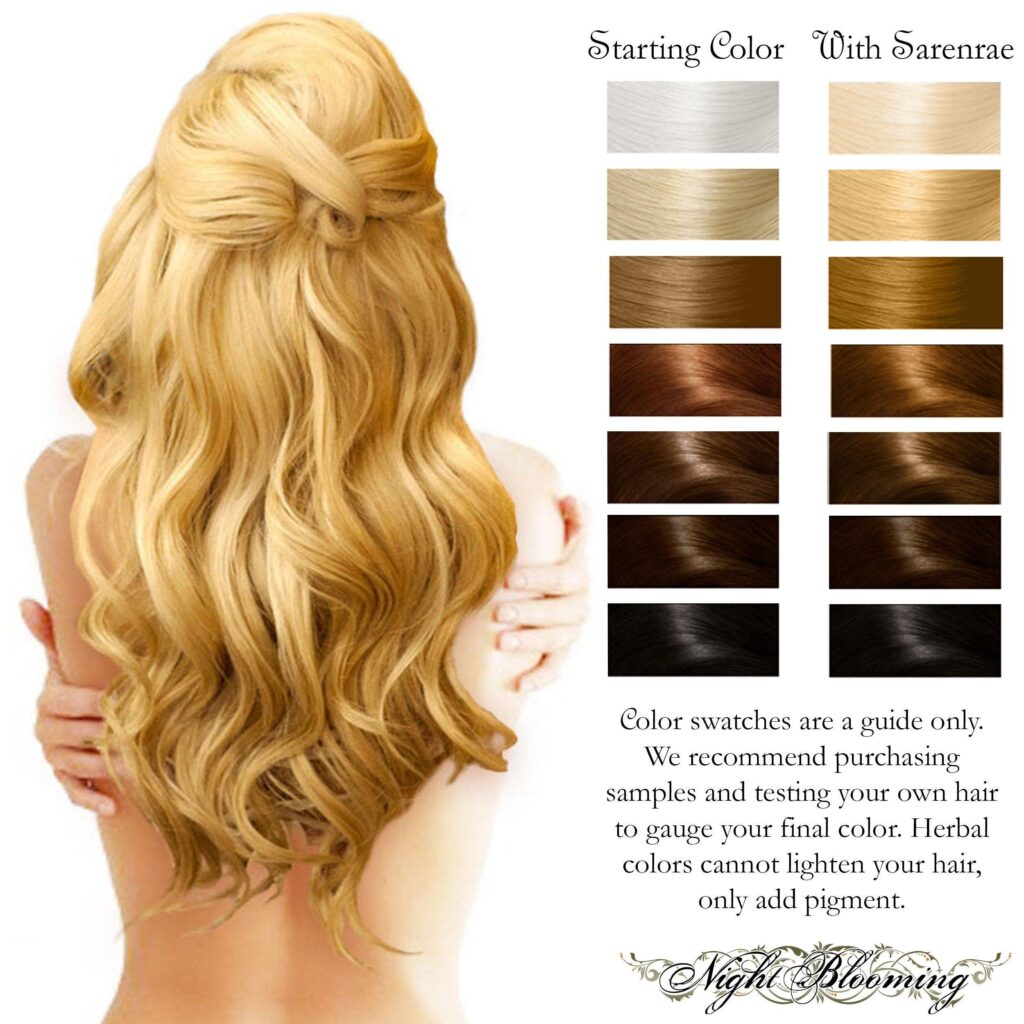
Each hair color has underlying tones. For instance, red hair can range from deep crimson to softer auburn. The underlying tones in blonde hair can also vary widely, from warm golden shades to cool ash tones. When mixing these shades, the underlying pigments will significantly affect the resulting color.
How Red Hair Affects Blonde Dye
The big question remains: What happens if you put blonde hair dye over red? The answer largely depends on the depth and intensity of the red. Lighter reds might blend somewhat acceptably, creating a strawberry blonde, while deeper, richer reds may absorb the blonde dye, leading to unexpected shades, including orange or brassy tones.
Preparing for the Color Transition
Never, ever underestimate the importance of preparation in your hair dyeing adventure! Before diving in and plopping that blonde dye on top of your beautiful red, here are crucial steps to consider:
Color Stripping Before Dyeing
- What to Do: Consider a color remover or a clarifying shampoo to help lift the red pigment.
- Why It Matters: By reducing the intensity of the red, you create a more neutral canvas for the blonde dye.
Strand Test is a Must
Before committing to a full transformation, always do a strand test. This is your sanity check—apply the blonde dye on a small section of your hair to see how it reacts with your existing red.
Using a Professional
If you’re feeling unsure, opt for a professional hair colorist. They have the skills and knowledge to navigate tricky color changes, ensuring that your gorgeous locks turn out just as you envisioned.
The Dyeing Process
Once you’re ready and your hair is prepped, it’s time to work your magic. Here’s a streamlined guide to applying blonde dye over red hair:
Step-by-Step Application
- Gather Supplies: You’ll need gloves, a mixing bowl, a brush, and the blonde dye.
- Section Your Hair: Divide your hair into four sections for easier application.
- Apply the Blonde Dye: Start at the roots and work your way down. Ensuring an even application is crucial!
- Set a Timer: Follow the instructions on your dye package. Don’t leave it on for longer than recommended, or you may end up with a less than desirable shade.
- Rinse and Condition: After the time is up, rinse with cool water, then condition thoroughly. This will help maintain the health and vibrancy of your new color.
Aftercare for Your New Color
Once you’ve dyed your hair, maintaining the color is just as crucial. Here are some tips:
- Use Color-Safe Shampoo: This helps keep your new blonde vibrant.
- Deep Condition Regularly: Blonde hair can be prone to dryness, so moisturizing is a must.
- Avoid Excessive Heat: Limit blow-drying and heat styling to preserve your hair’s health.
The Resulting Colors After Dyeing
So, let’s dive into what you might expect based on your unique hair color history. Here are three scenarios:
Scenario One: Gentle Red to Soft Blonde Transition
If your red is light and not overly saturated, applying blonde dye may yield a beautiful strawberry blonde. This is the dreamy, soft look many aspire to and proves that sometimes the universe has a way of giving you exactly what you need.
Scenario Two: Vibrant Red to Golden Blonde
For those whose hair is a vibrant red, you might end up with a golden blonde. This happens as the dye pulls some of the existing red tones while still allowing the blonde to shine through.
Scenario Three: Stubborn Red to Orange or Brassy Tone
Here’s where it might get a bit dicey. If the red is deep, you may find that the blonde dye reacts and ends up pulling out unwanted orange or brassy tones. This result can be disappointing, but fear not! There are ways to tone down unwanted brassiness.
Toning Solutions for Brassiness
If you find yourself rocking an unexpected orange, you can use a purple shampoo to combat those nasty brassy undertones. Keeping the hair cool-toned is the key here!
Considerations for Different Hair Types
Whether your hair is coarse, fine, curly, or straight, every strand has its personality. Here’s how different hair types can react to blonde dye over red:
Fine Hair
Fine hair tends to take color more readily, so it’s crucial to follow the instructions closely to prevent damage or over-processing.
Thick Hair
Thicker hair may require more time for the dye to process evenly. Use clips to section it out to ensure thorough coverage.
Curly Hair
Curly hair can be a treat when dyeing! However, ensure to use moisture-rich dyes and conditioners to maintain those beautiful curls.
Conclusion: Embracing the Hair Adventure
Realistically, what happens if you put blonde hair dye over red can vary greatly from person to person. The key is to prepare adequately, understand color theory, and embrace the uniqueness of your hair type. Remember, a little trial and error is all part of the journey, and it’s essential to enjoy the process. Snap a selfie at every stage and revel in your transformation!
When taking the plunge into a new hair color, a bit of humor and the right guidance can be your best friends. Happy dyeing, beauties!
And remember, owning your hair and its journey is what makes you fabulous! Each strand tells a story, and nothing is more stylish than the confidence that comes with change.
For the best hair care tips, consider checking out these resources:
May your locks always bloom with whatever shade you choose!