What Does Damaged Hair Look Like? Let’s Dive into the World of Hair Woes!
Hair, our crowning glory! It’s the one accessory we can wear every day without spending a dime. But alas, just like any other fabulous gadget, our hair can suffer from a little wear and tear. So, what does damaged hair look like? In this article, we’ll explore the telltale signs of damaged hair, what you can do about it, and how to prevent further heartbreak in your hair care routine!
Identifying the Signs of Damaged Hair
Understanding what damaged hair looks like is essential for any hair enthusiast. Here are some common signs that your hair might be waving the white flag of distress.
Split Ends and Breakage
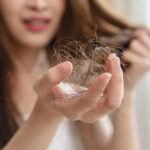
If your hair is showing a little too much “fringe,” it could be a sign of split ends. This is definitely one of the first signs of damaged hair. When hair ends become frayed, it’s time to take action. Split ends make hair look unhealthy, and they can even travel up the hair shaft, leading to more breakage if not taken care of.
To fix this:
- Get Regular Trims: Even if you’re growing your hair out, those pesky split ends need to go!
- Condition More: Use deep conditioning treatments to keep ends hydrated.
Dull and Lifeless Appearance
Another red flag in the “what does damaged hair look like” drama is its dullness. Healthy hair typically shines, but when it’s damaged, it becomes lifeless and lacking luster. If your hair looks like it’s been on a permanent vacation in a rainy cloud, it’s time to assess its health.
To revive that shine:
- Use Shine-Enhancing Products: Look for serums or sprays that can add a little sparkle back to your locks.
- Limit Heat Styling: Too much heat can render even the shiniest of hair lifeless!
Texture Changes
When examining what damaged hair looks like, variations in texture are a significant indicator. You might find that your silky strands have morphed into a tangled, rough mass. Hair damage can lead to frizz, or even worse, it can become stringy and flat. Ask yourself if your locks are hard to manage or if they feel coarse to the touch.
To regain that softness:
- Opt for Moisturizing Hair Products: Look out for products enriched with oils and butters.
- Avoid Over-Washing: Shampooing too often can strip your hair of natural oils. Stick to a routine!
Excessive Frizz
Frizz is often the result of hair being dehydrated. If your once-straight hair is now making an impromptu stand for some texture, you might be experiencing damage. Curly hair can become more pronounced, while straight hair becomes wild and unmanageable. Frizzy hair is a classic sign that your beautiful mane needs some TLC.
Frizz control tips include:
- Use Anti-Frizz Products: Look for serums or creams designed to combat frizz.
- Consider a Hair Treatment: Keratin treatments can help tame that wild mane for a sleek finish.
Lack of Elasticity
Healthy hair should stretch under tension. If your hair feels like it’s breaking at a gentle tug rather than flexing, it’s waving a big red flag, folks! Weak hair is prone to breakage and is one of the major signs of damage. It’s important to assess the elasticity of your hair regularly.
To improve elasticity:
- Incorporate Protein Treatments: These help in strengthening the hair shaft.
- Hydrate with Moisturizing Masks: This can restore balance and bring back that stretch.
Oily Roots and Dry Ends
If your roots are greasy while the ends of your hair resemble straw, you might be dealing with a case of damaged hair. This situation can arise from an imbalance in hydration or excessive product buildup, leading to unexpected combinations that nobody asked for.
Balancing your hair can involve:
- Clarifying Shampoos: Use these occasionally to rid your hair of product build-up.
- Conditioning Wisely: Apply conditioner mainly on the lengths and ends of your hair, avoiding the roots.
Changes in Hair Color
Have you noticed that your hair color isn’t what it used to be? Damage can lead to fading and unwanted changes in hue. Sun exposure, harsh chemicals, and over-processing can leave your hair appearing washed out or oddly toned.
To keep your color vibrant:
- Use Color-Protecting Products: Look for shampoos and conditioners specifically designed for color-treated hair.
- Limit Sun Exposure: Wear hats and avoid excessive sun if you’re a color lover!
How to Assess Your Hair Health
To further understand what damaged hair looks like, conducting a simple hair strand test can be informative. Take a single strand of your hair and gently stretch it.
- Check for elasticity: If it breaks quickly, your hair is likely damaged.
- Observe the color: Is it dull or vibrant?
- Feel the texture: Is it smooth or rough?
Treatments for Damaged Hair
Okay, beauties, it’s time to talk solutions! If your hair is singing the blues, let’s get into some treatments that can rescue your locks and return them to their former glory.
1. Deep Conditioning Treatments
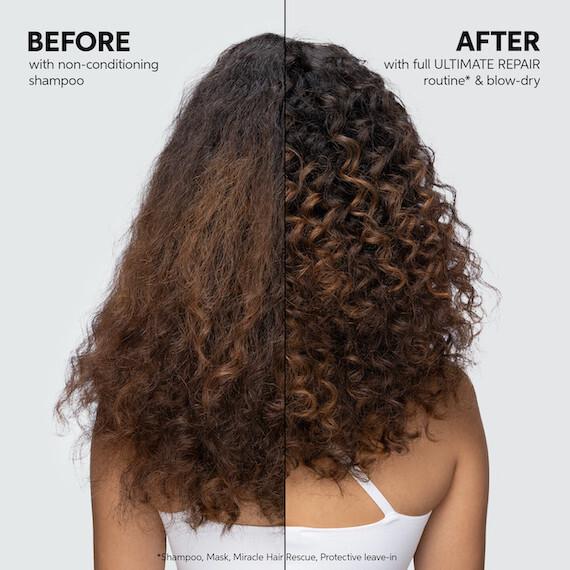
Investing in a deep conditioning treatment is a must for anyone asking themselves, “what does damaged hair look like”? These treatments penetrate the hair shaft, delivering intense moisture and nourishment.
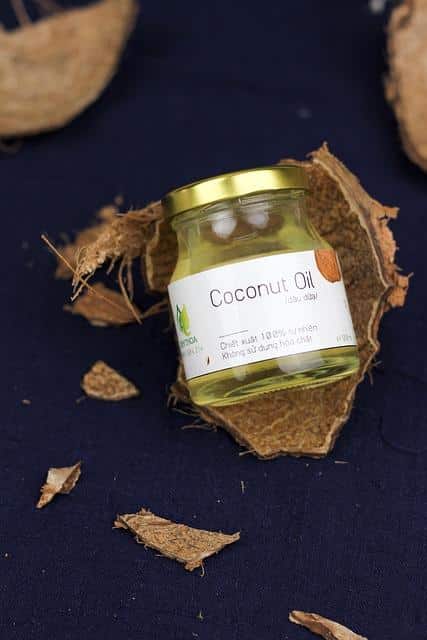
- DIY Masks: Mix coconut oil and honey for a luxurious hydration treatment.
- Store-Bought Options: Look for ones that contain argan oil, shea butter, or keratin.
2. Regular Trims
Head to your trusty hairstylist for regular trims. Nothing says “I love my hair” quite like a fresh cut! Regular trims will help eliminate split ends and promote healthier growth.
3. Protect from Heat Damage
Minimize your use of blow dryers, curling wands, and straighteners. When heat is necessary, always apply a heat protectant spray to shield your strands from excessive heat exposure.
4. Hydration Galore
Stay hydrated not just on the outside but also from within! Drinking plenty of water can improve your hair’s health. Don’t forget about deep conditioning regularly!
5. Incorporate Nutrition
Healthy hair starts from the inside, lovely! Ensure you’re consuming foods rich in vitamins A, C, D, and E as they play pivotal roles in maintaining hair health. Omega fatty acids and biotin should also be your best friends!
6. Avoid Harsh Chemicals
If you’ve been through the ringer with bleach, dyes, and chemical treatments, give your hair a break! Consider natural alternatives or gentler formulations.
Conclusion
Understanding what does damaged hair look like is a vital step in embracing your hair’s health journey. By recognizing the signs of damage and taking proactive steps to restore and protect your precious locks, you can enjoy vibrant, luscious hair that turns heads! Remember, it’s all about love, care, and a pinch of sass. So, let’s take our hair game to the next level and show those locks some applauding love!
For more on hair health and treatments, check out these sources: Healthline on Damaged Hair and Byrdie’s Repair Tips. Happy hair days, everyone!