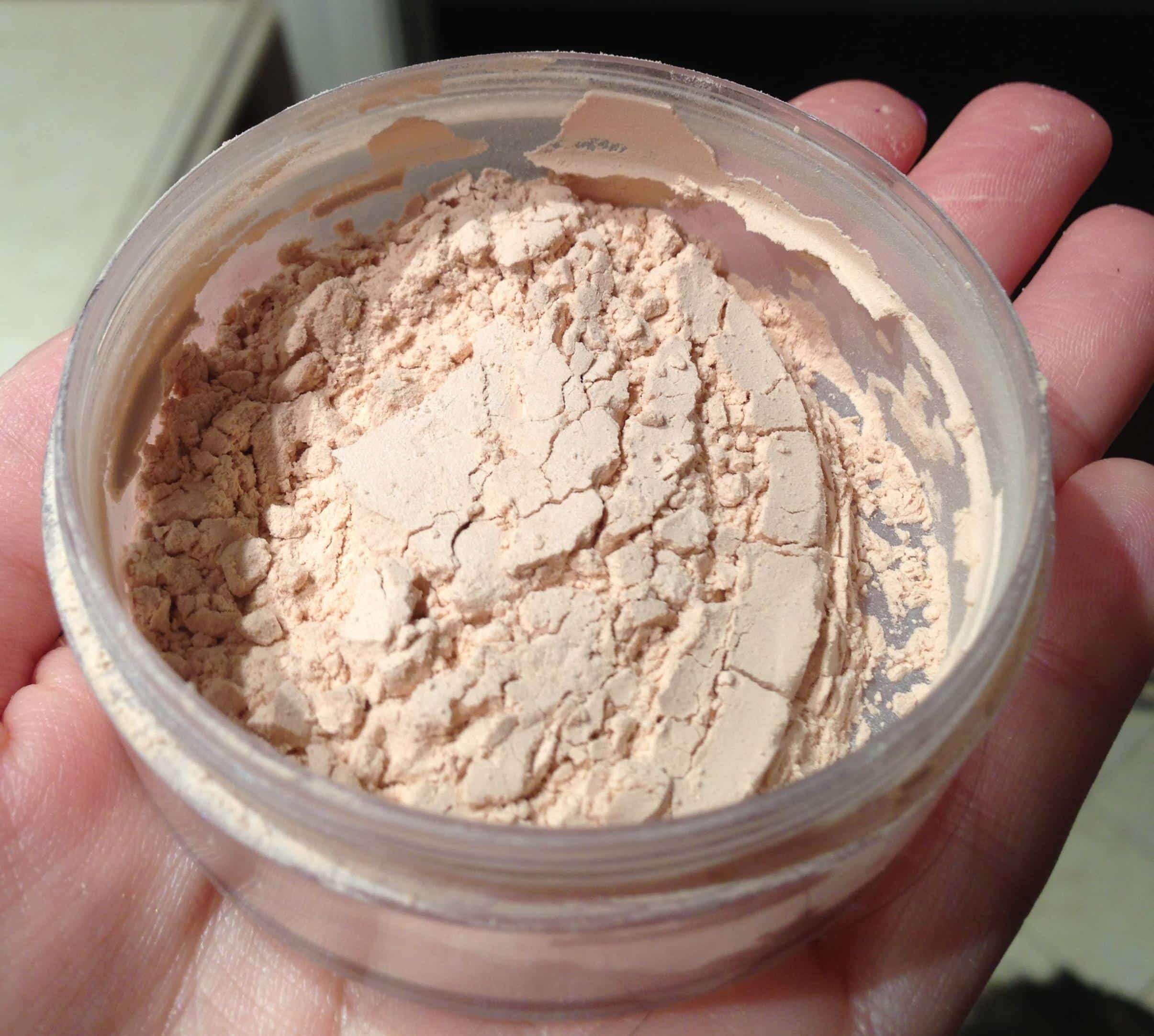
Is Talc Ok In Makeup? The Curious Case of Talc in Beauty Products
Talc, oh talc! The fluffy white powder that has been a controversial guest in our makeup bags for quite some time. When pondering “Is Talc Ok In Makeup?”, it’s essential to dip into the depths of beauty science and sprinkle in a little bit of history while keeping a chic and informed perspective. Let’s swirl our brushes and dive into a fabulous investigation of talc, its uses, the debates surrounding it, and whether it’s truly safe for our glam routines.
Understanding Talc in Makeup
Talc, a mineral composed of magnesium, silicon, and oxygen, is widely used in cosmetics for its absorbing, softening, and opacifying properties. This soft focus effect is why talc appears in so many of our beloved products, from foundation to blush. It works like a soft cloud of magic, helping makeup glide on smoothly while absorbing excess oil to keep our faces looking fresh all day long.
The Perks of Talc in Cosmetic Formulations
When engaging with “Is Talc Ok In Makeup?”, it’s imperative to dissect the delightful advantages of using talc in cosmetics:
- Oil Absorption: Talc acts like a sponge, soaking up unwanted oil and keeping your skin looking matte. Hello, oil-free glow!
- Texture Enhancement: This lovely powder makes products feel silky and luxurious. Think of it as adding a dose of plushness to your fave eyeshadow or compact.
- Opacity Factor: Talc adds pigment to makeup, helping color pop beautifully while also preventing streaks. Let that contour shine!
Safety Concerns Surrounding Talc in Cosmetics
The Controversy: Talc and Asbestos
When exploring whether “Is Talc Ok In Makeup?”, discussions about talc often bring up the shadowy issue of asbestos. Asbestos is a naturally occurring mineral that can be found alongside talc in the earth. When talc is mined, it may be contaminated with asbestos, leading to health concerns. Asbestos exposure is linked to respiratory diseases and cancer, causing a frenzy of alarm among consumers and regulatory bodies.
Regulatory Stance on Talc Safety
The good news? The U.S. Food and Drug Administration (FDA) oversees the safety of cosmetics, but they don’t specifically regulate talc. Instead, it is the responsibility of manufacturers to ensure that their talc is free of asbestos. The cosmetic industry is expected to keep an eye on the purity of talc products, ensuring they meet safety standards set by organizations such as the American Cancer Society.
Current Research Findings
Many studies highlight the safety of cosmetic talc when properly assessed. According to research, the potential risk of asbestos contamination is low, especially when subjected to rigorous testing. So, let’s take a breath and tuck that concern away for a moment.
A report from the FDA noted that cosmetic-grade talc is not found to have asbestos fibers when sourced responsibly and subjected to rigorous testing. Also, larger cosmetic brands have embraced transparent practices.
Alternatives to Talc in Makeup Products
In the beautiful world of makeup, options abound! If the debates about talc give you the heebie-jeebies, rejoice in the knowledge that alternative ingredients exist to fulfill the functions that talc serves.
Popular Talc-Free Ingredients
- Cornstarch: Offers moisture-absorbing properties and feels lightweight on the skin.
- Arrowroot Powder: Enhances the smoothness of formulations while acting as a natural oil absorber.
- Rice Powder: Provides a soft focus effect while blurring imperfections beautifully.
- Kaolin Clay: Ideal for those with oily skin, this gentle clay helps absorb oil without causing irritation.
Makeup Products to Consider
Talc-Infused Makeup vs. Talc-Free Makeup
Here’s a simple comparison of talc-infused versus talc-free options to give your beauty routine a refreshed perspective.
| Product Characteristics | Talc-Infused Makeup | Talc-Free Makeup |
|---|---|---|
| Texture | Silky and smooth | Lightweight and airy |
| Oil Control | Excellent | Moderate with natural alternatives |
| Skin Type Suitability | Oily to combination | All skin types, especially sensitive |
| Controversy Level | High | Low |
Consumer Preferences and Trends
While talc remains a staple in many makeup kits, a growing number of beauty mavens are embracing the talc-free movement. This trend reflects a broader desire for transparency and safety in beauty products. According to recent surveys, over 50% of consumers are actively seeking out clean, safe makeup products, and brands are stepping up to meet these consumer expectations.
Popular Brands Embracing Talc-Free Formulations
- bareMinerals
- Too Faced
- Tarte Cosmetics
- Fenty Beauty
These brands harness natural ingredients while offering vibrant colors and luxurious textures, proving that beauty enthusiasts can have their cake and eat it too!
Final Thoughts on Talc in Makeup
So, “Is Talc Ok In Makeup?” while talc has been widely used for its beneficial properties in cosmetics, the concerns surrounding its safety have triggered a shift in consumer preferences. Talc-free options are flourishing, providing alternatives for those hesitant about talc’s safety. The key to confidence in your makeup choices is always prioritizing ingredient knowledge and understanding your unique skin needs.
So whether you love a good talc-infused powder or prefer something talc-free, the beauty world is here to accommodate all your fabulous makeup wishes. With proper research and awareness, you can create your glam routine tailored to safety, beauty, and your undeniably chic style!