Is Prell Shampoo Bad For Your Hair? The Truth You Need to Know
When it comes to hair care, the products we choose can make all the difference in how our hair looks and feels. So, is Prell Shampoo bad for your hair? This classic shampoo has been a staple for many, but it has also faced its fair share of scrutiny throughout the years. In this article, we’re diving deep into the nitty-gritty of Prell Shampoo, exploring its ingredients, benefits, potential drawbacks, and tips for use. Grab your favorite hairbrush and get ready for a hair-care adventure!
Understanding Prell Shampoo’s Formula
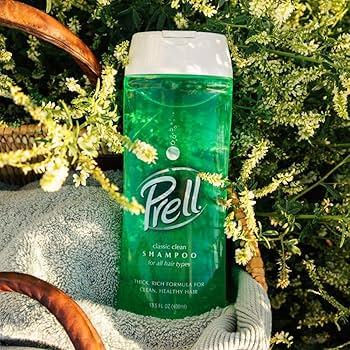
Prell Shampoo has a unique formulation that sets it apart from other shampoos on the market. This shampoo is famous for its powerful cleaning abilities, making it a go-to for people with oily hair or those looking to eliminate product buildup. The first thing to consider when asking, “Is Prell Shampoo bad for your hair?” is the ingredient list.
Key Ingredients of Prell Shampoo
- Sodium Lauryl Sulfate (SLS): A common cleansing agent known for its lathering ability. While it effectively removes dirt and oils, it can also strip natural oils from hair, leaving it dry.
- Fragrance: Prell has a pleasant scent, but added fragrances can sometimes irritate sensitive scalps or hair types.
- Cocamidopropyl Betaine: A milder surfactant derived from coconut oil, which is less irritating than SLS.
- Silicones: These ingredients add shine and reduce frizz, but they can cause buildup over time.
Understanding these ingredients helps us assess the overall impact of Prell Shampoo on hair health.
Advantages of Using Prell Shampoo
Effective Cleansing Power
Prell Shampoo is known for its exceptional cleansing capabilities, making it particularly effective for those who use a lot of styling products. It’s like a mini spa day for your hair, clearing away the remnants of yesterday’s hairspray and leave-in conditioner.
For Oily Hair Types
If you have hair that gets oily quickly, Prell might be a superhero in your shower. Its formulation helps to combat excess oil and refresh your scalp. Customers often rave about how squeaky clean their hair feels after using Prell, making it a staple for their hair care routine.
Great for Swimmers
Are you a regular swimmer? Chlorine and saltwater can wreak havoc on your hair. Prell Shampoo is effective at removing chlorine or salt from the hair and scalp, helping to maintain hair health for those who love to swim.
Prell Shampoo Usage Tips
- Frequency of Use Matters: While Prell is excellent for a deep clean, using it too frequently can lead to dryness. It’s best used in moderation or as an occasional reset for your hair.
- Pair with a Moisturizing Conditioner: To offset any drying effects, use a moisturizing conditioner after washing with Prell. Look for products high in oils or glycerin to help replenish moisture.
Potential Drawbacks of Prell Shampoo
When addressing, “Is Prell Shampoo bad for your hair?” it’s essential to discuss the potential downsides.
Stripping Natural Oils
As mentioned earlier, Prell’s cleansing components can be a double-edged sword. For individuals already struggling with dry or damaged hair, the powerful cleansing may strip natural oils, exacerbating the issue.
Chemical Sensitivity
Some people may find that they are sensitive or allergic to certain ingredients, particularly SLS and added fragrances in Prell. If you have a history of allergies or sensitive skin, it’s crucial to perform a patch test or consult with a dermatologist before dedicating your hair to this product.
Long-Term Use and Buildup
Over time, prolonged use of shampoos with silicones may lead to buildup, which can dull your hair. If you’re a frequent user of Prell, consider incorporating clarifying shampoos or treatments to help maintain optimal hair clarity.
Hair Types and Suitability
Curly or Textured Hair
For those with curls or textured hair, removing too much natural oil can lead to frizz and dryness. Pay close attention to how your hair reacts to Prell Shampoo. A soft touch with a hydrating conditioner is vital!
Color-Treated Hair
If your hair is color-treated, be cautious. The harsh cleansing could strip color and damage your hair’s integrity. Always consult with your salon professional for tailored advice on products suitable for your color-treated locks.
How to Make Prell Work for You
To avoid asking, “Is Prell Shampoo bad for your hair?” the key lies in how you use it:
- Alternate with Gentle Shampoos: Mix in other hair-friendly shampoos in your routine to combat the potential drying effects of Prell.
- Focus on Scalp Health: Remember that scalp health is crucial for hair growth and vitality. If your scalp feels dry or irritated after using Prell, revisit how frequently you’re using it.
- Know When to Refresh: Use Prell when needed, not as a daily routine. It’s like saving your favorite dessert for special occasions—less is definitely more!
The Verdict on Prell Shampoo
So, is Prell Shampoo bad for your hair? Ultimately, it depends on your hair type, needs, and how you use the product. While it can work wonders for certain hair types—especially those prone to oiliness—others might find it too stripping or irritating. Listen to your hair and give it the love it deserves!
Alternative Hair Care Options
If you find that Prell may not be the right fit for you, here are some fabulous alternatives to consider:
- Free & Clear Shampoo: Ideal for sensitive scalps and those looking to avoid harsh chemicals.
- Burt’s Bees Shampoo: This natural option provides gentle cleansing with nourishing botanicals.
- Ouai Shampoo: A luxurious option that hydrates while cleansing without stripping natural oils.
When selecting hair care products, always keep in mind your unique hair needs and lifestyle.
Conclusion
Prell Shampoo can be a helpful addition to many hair-care routines, provided that it is used wisely and sparingly. By considering your hair type, employing best practices, and being mindful of any adverse effects, you can enjoy the benefits of a classic shampoo without jeopardizing your luscious locks. Remember, every head of hair is as unique as the person it belongs to—embrace yours with the care it deserves!
For more information on safe hair care products, check out these reputable sources: American Academy of Dermatology and Healthline.