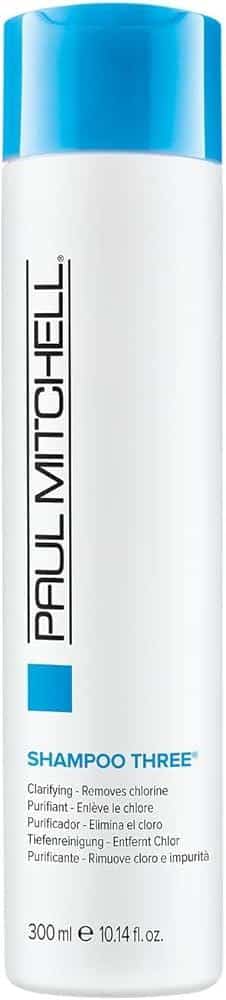
Is Paul Mitchell Shampoo Bad For Your Hair? It’s a burning question amongst beauty enthusiasts, salon-goers, and those who just want to have fabulous, healthy hair. With so many products flooding the market, it can be overwhelming to decipher which shampoos are beneficial and which ones could potentially do harm. Paul Mitchell has been a well-known name in the hair care industry for decades, and while many adore their products, others raise eyebrows about their potential effects. Let’s dive into the glitzy world of Paul Mitchell Shampoo and find out if it’s friend or foe when it comes to hair health.
Understanding Paul Mitchell Shampoo Ingredients
When discussing whether Paul Mitchell Shampoo is bad for your hair, the first place to start is by examining the ingredients. Paul Mitchell shampoos encompass a wide variety of formulas, each targeting different hair types and concerns. Key ingredients often found in their products might include:
-
- Sulfates: These are the cleansing agents that create the lather we all love. While effective at removing dirt and oil, they can also strip natural oils and moisture from your hair.
-
- Silicones: Commonly found in many shampoos, silicones like dimethicone can offer smoothness and shine but may lead to buildup if not washed out effectively.
-
- Natural Extracts: Many Paul Mitchell products incorporate natural extracts such as aloe vera and tea tree oil, which can provide nourishment and hydration to the hair.
So, is Paul Mitchell Shampoo bad for your hair? It essentially depends on your specific hair needs and how your hair reacts to these ingredients.
The Pros of Using Paul Mitchell Shampoo
Let’s break it down with some pros!
No products found.
-
- Diverse Range of Products: Paul Mitchell offers a wide variety of shampoos tailored to different hair types—thinning, curly, dry, or color-treated. With so many options, it’s easier to find a product that suits your unique locks.
-
- Salon-Quality Formulas: Using Paul Mitchell can give the sensation of a salon treatment at home. Their products are designed by professionals, which means they often incorporate high-quality ingredients that are beneficial for maintaining healthy hair.
-
- Cruelty-Free: Paul Mitchell maintains a commitment to being cruelty-free, which is a delightful bonus for animal lovers and those passionate about ethical beauty choices.
-
- Scent: Let’s not forget the delicious fragrances! Many Paul Mitchell shampoos smell absolutely divine, transforming your daily wash into a little pampering session.
The Cons of Using Paul Mitchell Shampoo
Now, let’s face it—nothing is perfect!
-
- Sulfates and Their Effects: As highlighted earlier, sulfates can be a double-edged sword. While they do provide a thorough cleanse, they may also lead to dryness and irritation, especially for those with sensitive scalps or drier hair types.
-
- Potential Buildup: Using shampoos with silicones without occasionally clarifying can lead to buildup, making your hair appear dull and lifeless over time. Regular use of clarifying shampoos becomes necessary to ensure your hair remains fresh and vibrant.
-
- Price Point: Paul Mitchell products can be on the pricier side compared to drugstore options. For those on a budget, this might pose a dilemma.
Common Myths About Paul Mitchell Shampoo
No products found.
Myth 1: Paul Mitchell Shampoo Causes Hair Loss
One of the more concerning rumors about Paul Mitchell Shampoo is the notion that it causes hair loss. Well, fear not, glam queens! While hair loss can result from various factors including genetics, stress, and health conditions, there isn’t substantial evidence that Paul Mitchell products directly contribute to this issue. In fact, many users report their hair feeling fuller and healthier with regular use.
Myth 2: All Paul Mitchell Shampoos Are the Same
With so many diverse lines under the Paul Mitchell umbrella, it’s crucial to recognize that not all shampoos are created equal. For example, the Tea Tree Special Shampoo targets oily scalps and provides a tingling sensation, whereas enriching formulas like Moisture Shampoo focus on hydration.
Myth 3: Professional Products Are Always Safe
Just because a product is salon-branded doesn’t mean it’s perfect for everyone. Individuals can have different reactions to certain ingredients based on their hair type, scalp health, and personal preferences. Always conduct a patch test if you’re uncertain!
When Is Paul Mitchell Shampoo Suitable for Your Hair?
Let’s get savvy about when Paul Mitchell Shampoo might work wonders for your hair.
For Color-Treated Hair
If you’ve invested in vibrant hair color, consider utilizing the Paul Mitchell Color Protect line. This line is specifically designed to protect your color while keeping your hair nourished and soft.
For Oily Hair Types
If you have an oily scalp, the Tea Tree Special Shampoo can be a game-changer. It offers a refreshing cleanse without overwhelming your scalp with oils, keeping you fab and fresh!
For Dry, Brittle Hair
Struggling with dry hair? The Moisture Shampoo range offers plenty of hydration that helps lock in moisture and promote elasticity, which is essential for reducing breakage.
How to Properly Use Paul Mitchell Shampoo
To maximize the benefits of Paul Mitchell Shampoo while minimizing potential downsides, consider these handy tips:
-
- Double Shampoo: If you’re dealing with buildup or oiliness, try double cleansing—shampooing twice to ensure a thorough clean.
-
- Follow Up with Conditioner: Don’t forget to follow your shampoo with a nourishing conditioner to counteract any potential drying effects from sulfates.
-
- Clarifying Treatments: Every now and then, use a clarifying shampoo to remove buildup from silicones and other products.
Conclusion on Paul Mitchell Shampoo and Hair Health
So, is Paul Mitchell Shampoo bad for your hair? Considering all the factors—from ingredients to hair type—most people will find that it’s not bad per se, but more so contingent on individual needs and preferences. For many, Paul Mitchell can be a fantastic addition to their hair care routine when used mindfully.
Ultimately, the best way to determine whether a product aligns with your hair goals is through experimentation. Keep an eye on how your hair responds, and always give it a little loving TLC!
For more on hair care tips, check out this resource where professionals weigh in on the best beauty practices. Additional information can be found at WebMD for a deeper dive into hair health!
Happy hair washing, lovelies!