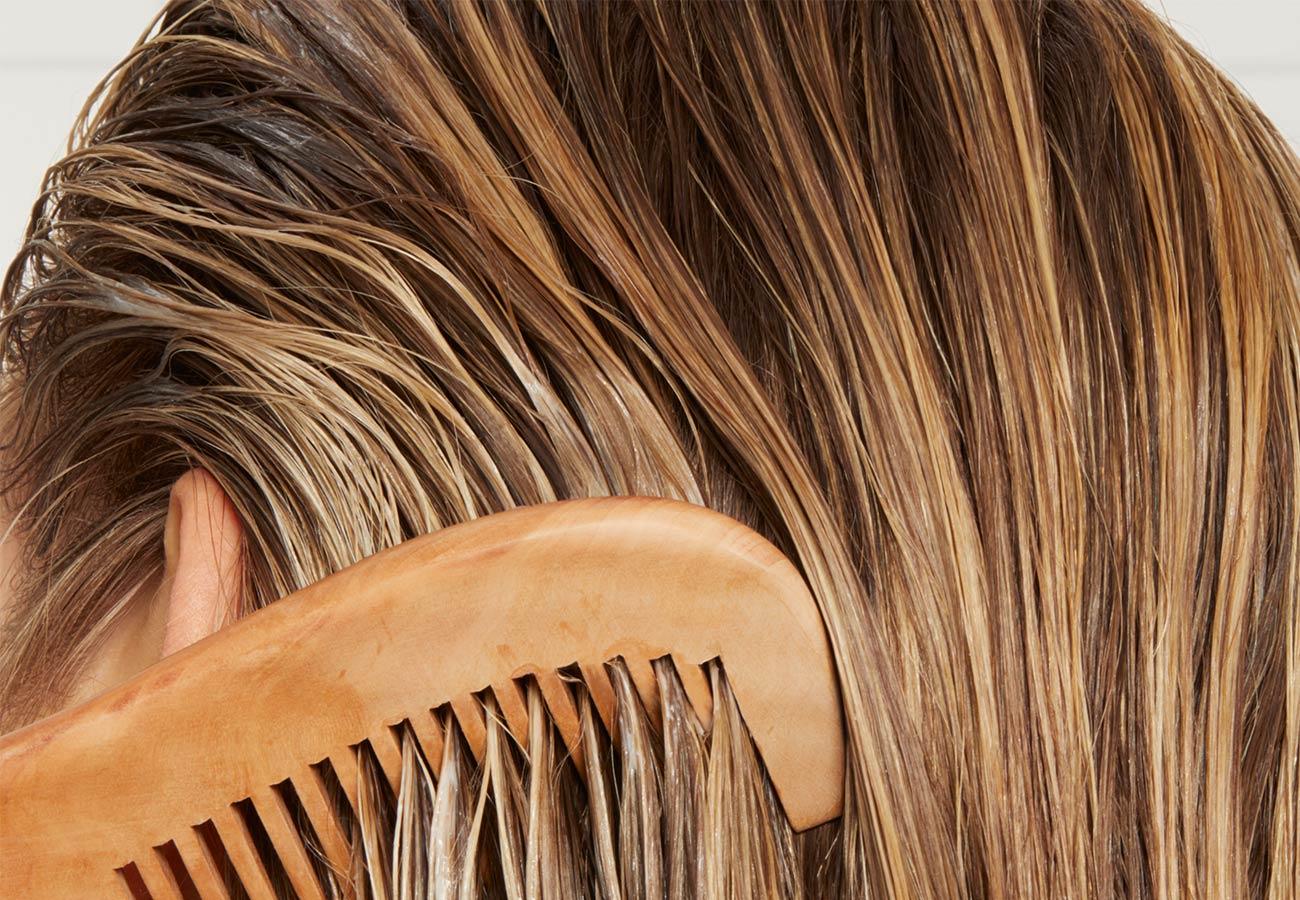
Is Oily Hair Bad? The Dilemma of Greasy Locks
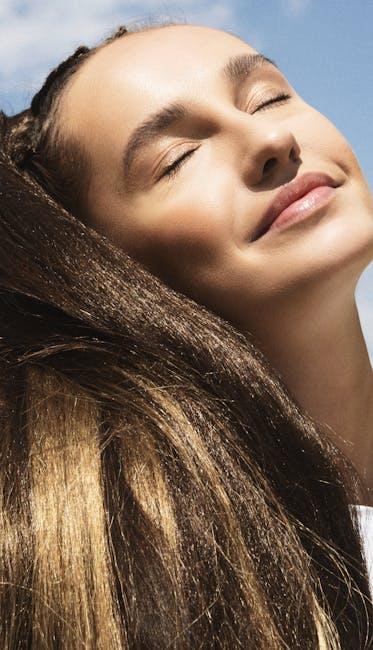
Ah, oily hair! The bane of existence for many of us. Is oily hair bad? It’s a question that has been debated in beauty circles and by hair aficionados alike. On one hand, oily hair can make you feel less than fabulous, leading to an everlasting quest for that shiny, voluminous mane of dreams. On the other hand, it turns out that having some oil in your hair isn’t the end of the world—and it may even be beneficial in some cases. So let’s get into the nitty-gritty of whether or not oily hair should be a cause for concern!
Understanding Hair Oil Production
Hair oil, or sebum, is produced by the sebaceous glands under our scalp. These adorable little glandular heroes work hard to keep our hair and scalp moisturized, preventing dryness and damage. But sometimes, things can get a bit out of control, leading to that dreaded greasy look.
Causes of Oily Hair
Genetics Play a Big Role
If you find yourself in a constant struggle with oily hair, you can thank your genes! Yes, if your parents had oily hair, there’s a high likelihood you might inherit those beautiful, shiny locks—though maybe not in the way you’d like.
Hormonal Changes Are Sneaky
Hormonal fluctuations can be a primary culprit in causing excessive oil production. Whether it’s that time of the month, pregnancy, or just those wild teenage years, fluctuating hormones can lead to greasier hair days.
Your Hair Care Routine Matters
How often you wash your hair can significantly impact how oily it gets. Believe it or not, overwashing can actually strip your scalp of its natural oils and cause your glands to go into overdrive, producing even more oil. Crazy, right?
Diet Influences Oil Production
What you eat can have a profound effect on your scalp. Diets high in sugars and unhealthy fats can exacerbate oil production, leading to that oh-so-shiny hair we sometimes despise.
Is Oily Hair Bad for Your Hair Health?
To answer the question—is oily hair bad? The simple answer is no. In fact, some oil could be what your hair needs to thrive!
Benefits of Natural Hair Oils
- Natural Moisturizer: Sebum acts as a natural conditioner, locking in moisture and keeping your hair soft and supple.
- Protection from Damage: The oils help coat your hair strands, providing a layer of protection from environmental damage, heat styling, and other hair nasties.
- Reduced Dandruff Risk: Oily hair can help prevent scalp dryness, which is a common trigger for dandruff. So, if you’re dealing with a dry, flaky scalp, a little oil may just be your hero!
Signs of Excess Oiliness
Now, while a little oil is good for you, too much can be alarming! Here are some signs to look out for if you’re wondering is oily hair bad?
- Greasy Texture: If your hair feels oily to the touch, it might be too much oil.
- Flat Appearance: When your hair starts looking limp and flat, it’s definitely a signal that it’s overloaded with oil.
- Scalp Issues: If you experience itchiness or flakiness on your scalp, it could be due to an imbalance caused by excessive oiliness.
Tips for Managing Oily Hair
Being a shine goddess doesn’t have to mean having hair that looks like it hasn’t seen a shampoo in a week. Here are some fabulous tips for managing oily hair:
1. Choose the Right Shampoo
Always opt for a clarifying shampoo! These shampoos are formulated to cut through excess oil and build-up without stripping your hair of those essential oils.
2. Avoid Heavy Conditioners
Heavy, creamy conditioners can weigh down your hair—especially at the roots. Instead, use lightweight conditioners only on the ends.
3. Limit Hair Product Use
Products like gels and pomades can add extra build-up and oiliness. Keep it simple and reserve these products for special occasions!
4. Don’t Overwash
As mentioned earlier, washing your hair too frequently can trigger more oil production. Try to find a balance that works for your hair’s unique needs.
5. Be Mindful of Your Diet
Cut down on processed foods and sugary snacks. Think fresh fruits, veggies, whole grains, and lean proteins for happier, healthier hair.
When to Seek Professional Help
If you find that despite your best efforts, your oily hair persists or worsens, it might be time to consult with a hair specialist. Sometimes, underlying scalp conditions or hormonal imbalances need to be addressed for long-term solutions.
Key Takeaways on Oily Hair
So, is oily hair bad? The ultimate answer: not necessarily! A little oil can do wonders for your locks. With the right hair care routine and dietary tweaks, you can keep your hair shining bright without looking like a grease monster.
| Oily Hair Benefits | Managing Oily Hair |
|---|---|
| Moisturizes | Use clarifying shampoo |
| Protects from damage | Avoid heavy products |
| Reduces dandruff risk | Limit wash frequency |
Oily hair doesn’t have to hold you back from flaunting gorgeous locks. Understanding the balance between natural oiliness and excessive grease is key to hair happiness. With a sprinkle of care and thoughtful tips, it can be the luxurious, shiny mane you’ve always dreamed of!
Now, go ahead and embrace your hair, no matter its oil level. Remember, great hair days are just a shampoo away, and can even become the highlight of your day. Here’s to gorgeous hair, no matter the shine factor!