
Is Hair Loss Common With Ehlers Danlos Syndrome? It’s a question that many individuals living with this condition may have pondered, often tying it to their daily struggles. Ehlers Danlos Syndrome (EDS) not only affects your skin and joints but can also make you wonder about those beautiful locks up there. Let’s dive deep into this topic, sprinkle in some humor, and analyze how this syndrome impacts hair health.
Understanding Ehlers Danlos Syndrome
Ehlers Danlos Syndrome is not just a mouthful of a diagnosis, darling. It’s a collection of connective tissue disorders that can affect multiple systems in the body, including our skin, joints, and vascular systems. The different types of EDS exhibit varying symptoms, but common threads include hyper-flexible joints, stretchy skin, and a penchant for bruising easily. These features may sound like a superpower, but they often come with their own unique set of challenges.
Ehlers Danlos Syndrome consists of several variations, and each has its distinct characteristics. For instance, the Hypermobile type, which is the most common, involves issues with joint stability and flexibility. On the other hand, the Vascular type can present more serious health concerns. So, how does this all relate to hair loss?
The Connection Between EDS and Hair Loss
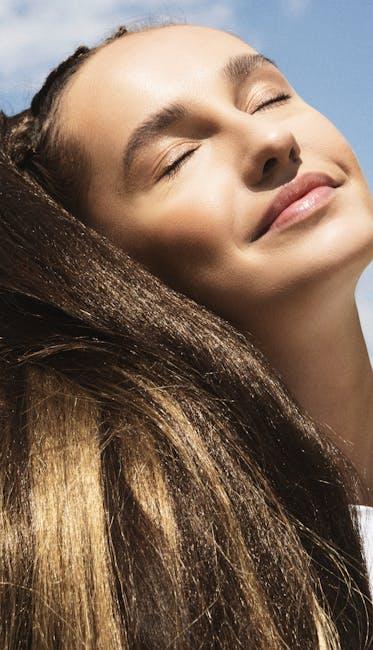
Now, let’s get to the juicy part: is hair loss common with Ehlers Danlos Syndrome? The answer isn’t a simple yes or no. While it may not be the first thing on everyone’s mind when diagnosed, some individuals with EDS report experiencing hair thinning or loss. This phenomenon can be attributed to several factors linked to the syndrome itself.
- Stress on the Body: Living with EDS can be stressful—mentally, emotionally, and physically. Chronic pain and frequent dislocations can lead to heightened levels of stress, which, let’s face it, can wreak havoc on hair health. Stress-induced hair loss, known as telogen effluvium, sees hair follicles entering a resting phase prematurely, resulting in noticeable shedding.
- Nutritional Deficiencies: Individuals with EDS may have difficulties absorbing nutrients, leading to deficiencies that can affect hair growth. A balanced diet rich in vitamins and minerals, such as biotin, iron, and vitamins A, C, D, and E, is crucial for maintaining luscious locks. If nutrient absorption is compromised, it may contribute to hair thinning.
- Hormonal Changes: Hormones play a vital role in the hair growth cycle. Conditions like EDS can lead to hormonal imbalances. For example, if a person with EDS experiences an increased level of stress, it can elevate cortisol levels, which may, in turn, contribute to hair loss. Hormonal shifts can feel like a rollercoaster, and it’s no fun for your hair!
- Genetic Link: Some studies suggest that individuals with EDS may have a genetic predisposition to hair loss. Genes are fickle and can influence hair follicle development and health; thus, one could experience hair thinning as a hereditary trait.
- Medications: Patients with EDS often require medications for pain management or to address various symptoms. Some medications come with side effects that can include hair loss. Always consult with a healthcare professional about the pros and cons of any prescribed treatments.
Symptoms of Hair Loss in EDS
Now that we’ve connected the dots, let’s talk about how to identify if you’re experiencing this issue. Here are some signs that could indicate hair loss related to EDS:
- Increased shedding: Not just the occasional strand found on your brush! If you’re noticing clumps of hair or more than 100 strands when washing or styling, that’s a red flag.
- Thinning areas: Pay close attention to the crown, hairline, or temples. Are those areas looking a tad sparse? This could indicate hair loss.
- Brittle hair: If your hair feels dry, brittle, or breaks easily, that could be a result of nutritional deficiencies or stress-related factors linked to EDS.
- Changes in texture: If your once-thick, shiny hair has turned into a frizzy, limp mess, this might signal a change in your hair health.
Table: Hair Loss Symptoms in EDS
| Symptom | Description |
| Increased shedding | Notable loss of hair strands daily, exceeding 100. |
| Thinning areas | Visible patchiness at the crown, hairline, or temples. |
| Brittle hair | Hair feels dry and easily breaks off. |
| Changes in texture | Hair appears frizzy and lacks its usual shine. |
Coping Strategies for Hair Loss with EDS
So, what do you do if you find yourself dealing with hair loss while navigating life with EDS? Here are some fab tips that can help you manage your hair health:
- Prioritize Nutrition: Eating a well-balanced diet is crucial for maintaining hair strength. Incorporate foods rich in omega-3 fatty acids, leafy greens, nuts, and seeds. If you suspect deficiencies, consider consulting a nutritionist who specializes in EDS.
- Stress Management Techniques: Finding healthy ways to manage stress is vital. Consider yoga, meditation, or even a simple evening ritual with your favorite cozy blanket and a good book!
- Gentle Hair Care Routine: Embrace a hair care routine that protects your lovely locks. Use sulfate-free shampoos, avoid heat styling, and be gentle when brushing.
- Seek Professional Advice: Consulting with a dermatologist or a healthcare provider specializing in EDS can provide insight into your specific situation. They may recommend treatment options or even therapeutic treatments that can boost your hair health.
- Support Groups: Connecting with others who understand your journey can be immensely comforting. Online forums and support groups focused on EDS and related conditions can provide not only emotional support but also practical advice from those who’ve been through it themselves.
Conclusion
understanding whether hair loss is common with Ehlers Danlos Syndrome involves recognizing the interconnected factors that contribute to hair health. While not all individuals with EDS experience hair loss, many may find it a part of their journey. By focusing on nutrition, managing stress, and maintaining a gentle hair care routine, it’s possible to promote healthier hair and embrace every single hair flip! Remember, life with EDS is just another adventure, and who doesn’t love a little adventure now and then?
For more information on Ehlers Danlos Syndrome, feel free to check out The Ehlers-Danlos Society and for insights into nutritional needs, visit Nutrients and Hair Loss. Embrace your beautiful self, hair and all!