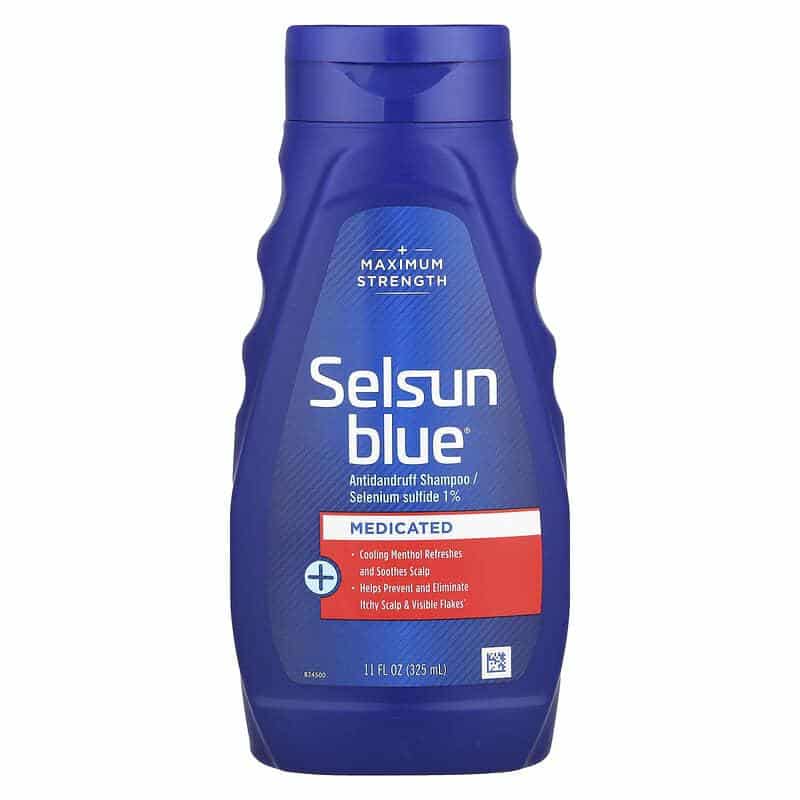
Is Dandruff Shampoo Bad For Your Hair? Oh honey, let’s dive into this oh-so-juicy topic. We all know dandruff can be a total party crasher—flaky white bits on dark clothes are not the vibe! So, it’s no wonder that we’re all searching for the best dandruff shampoos to banish those pesky flakes. But, wait… Is dandruff shampoo bad for your hair? Let’s unravel this hair mystery together, shall we?
Understanding Dandruff and Its Causes
Dandruff is more than just an embarrassing little situation; it’s a condition that signals something is off with your scalp. The reason behind those pesky white flakes can be linked to dry skin, irritation, or even a yeast-like fungus known as Malassezia. Isn’t that a mouthful? Basically, our scalp has its own little microbiome, and sometimes it goes a bit haywire.
The Role of Dandruff Shampoo
Dandruff shampoos have active ingredients designed to combat the telltale signs of this condition. Popular ingredients include:
- Zinc pyrithione: Fights fungus and reduces the turnover of your scalp cells, steering them away from that flaky disaster.
- Ketoconazole: A strong antifungal that can kick some serious scalp butt.
- Salicylic acid: Helps to exfoliate the scalp, removing dead skin and treating flakiness.
- Coal tar: Slows down the production of skin cells. It sounds a bit edgy, right?
- Tea tree oil: The natural hero with antimicrobial properties.
While these ingredients can be effective, the question remains: Is dandruff shampoo bad for your hair? Let’s get into it!
How Dandruff Shampoo Affects Hair Health
Chemical Ingredients and Hair Health
Alright, let’s break it down. The chemical ingredients in dandruff shampoo are powerful. While they can help alleviate dandruff, they can also lead to various side effects when overused. Some common concerns include:
- Dryness: Some of these shampoos can strip your hair of its natural oils, leaving it feeling like straw. Yikes!
- Scalp irritation: If you have sensitive skin, certain ingredients might cause itchiness or redness. Not cute!
- Loss of shine: Over-reliance on these shampoos might result in hair that lacks luster and vitality.
So, while these shampoos do what they need to do, it’s crucial to not overdo it. Moderation is key, darling!
Making Sense of Scalp Care and Product Use
Using Dandruff Shampoo Wisely
Let’s face it, no one wants to wander around looking like they’ve just rolled in glitter—unless you’re Beyoncé at the Grammys, of course. So, how do we use dandruff shampoo gracefully? Here are a few tips:
- Frequency matters: Don’t use dandruff shampoo more than twice a week unless prescribed by a dermatologist. Your hair will thank you!
- Follow up with conditioner: After using dandruff shampoo, apply a rich conditioner to keep your hair moisturized. It’s like giving your luscious locks a cute hug.
- Look for nourishing shampoos: Opt for shampoos that balance your treatment with moisture-replenishing properties. Ingredients like argan oil or shea butter can work wonders.
Alternative Remedies for Dandruff
When you think Is dandruff shampoo bad for your hair?, consider the option of natural remedies. Because let’s be real, nature knows best! Here are some alternatives that might tickle your fancy:
- Apple cider vinegar: This miracle worker can help restore your scalp’s pH balance. Mix equal parts with water and let it work its magic.
- Aloe vera: Not just for sunburns, aloe vera can soothe the scalp and reduce itching. Plus, it’s so refreshing!
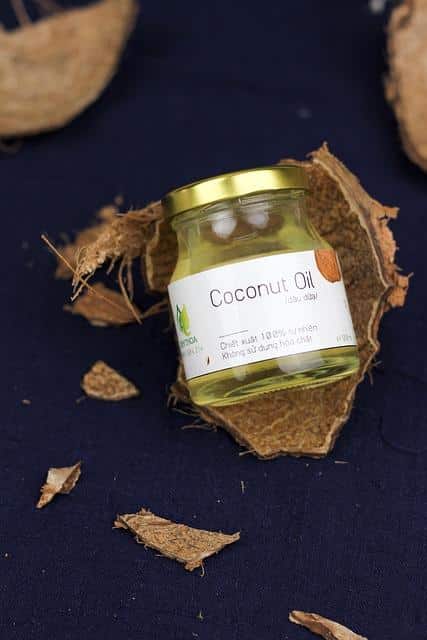
- Coconut oil: Hydrate and nourish your scalp with good ol’ coconut oil. Just remember to rinse it out thoroughly afterward—no oil slicks, please!
Long-term Effects of Dandruff Shampoo on Hair
What’s the Damage?
Let’s not sugarcoat it: Overusing dandruff shampoo can potentially affect hair health in the long run. Here are some things to keep an eye on:
- Decreased elasticity: Hair may become less elastic and more prone to breakage due to excessive drying factors.
- Scalp dependency: Your scalp might get used to harsh treatments, leading to a rebound effect where dandruff could return even stronger.
- Change in hair texture: Some people notice their hair changes in texture and thickness due to continuous use of specialized shampoos. So not fabulous!
When to Consult a Professional
If dandruff is still making a grand appearance despite all your efforts, it may be time to visit a dermatologist. They can offer tailored advice and treatments suited for your specific scalp and hair type. Remember, though, that everyone’s scalp is unique and may react differently!
Conclusion: Finding Balance in Scalp Health
So, coming back to the original query: Is dandruff shampoo bad for your hair? The answer is a bit of a dance. While these shampoos can help tackle the annoyance that is dandruff, over-use can leave your hair dry, brittle, and unhappy.
The key is balance, darling! Use dandruff shampoo as directed, accessorizing with hydrating conditioners and natural remedies along the way. Your scalp deserves love, and your hair will thank you for the care. Here’s to bouncy, shiny locks and a flake-free crown!
As we journey through the haircare world, remember that an informed decision leads to happier hair days. Shimmer on, lovely readers, and let your glorious mane shine!