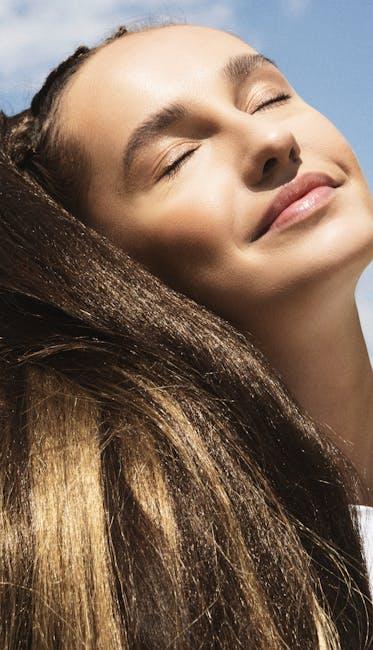
Is Curly Hair Dominant Or Recessive ? The fascination with curly hair has captivated many throughout history. Whether it’s the luscious ringlets of classic Hollywood starlets or the wild, carefree waves of a boho goddess, there’s no denying that curls have a certain magic. It gets people wondering—when it comes to genetics, how do these coils come into play? Is Curly Hair Dominant Or Recessive? Let’s dive into the fun and fascinating world of hair genetics!
Understanding Hair Texture Genetics
In the grand tapestry of human genetics, hair texture is a compelling feature that showcases the beautiful diversity of our species. The genetic makeup that determines whether our hair is straight, wavy, or curly falls under the influence of several genes. Among these, the gene known as TCHH has a principal role in deciding the texture of hair.
The Role of Dominant and Recessive Genes
When we talk about genetics, we’ve got to discuss the concepts of dominant and recessive traits. Think of dominant genes as the social butterflies at a party—they’re the ones that steal the show! Recessive genes, on the other hand, are like wallflowers that quietly wait for their turn to shine.
In the case of hair texture, curly hair is generally believed to be a dominant trait, while straight hair is considered a recessive trait. This means that if one parent carries the curly hair gene and the other has straight hair, there’s a higher likelihood the offspring will inherit curly hair. Exciting, right?
The Complex Nature of Hair Texture
While the dominance of curly hair may seem straightforward, it’s important to understand that genetics can be a bit trickier than just black and white. Multiple genes, including EDAR, play a role in determining hair texture. This polygenic nature means that even within families, you can find a delightful mix of textures!
For example, have you ever met a family where some siblings have bouncy curls and others have straight, flowing locks? That’s because the combination of dominant and recessive traits can produce a variety of outcomes. So while you might aspire to curliness, you could just as easily inherit those straight strands from a cheeky recessive gene.
Exploring the Types of Curly Hair
When discussing curly hair, one must explore the various types that exist. Believe it or not, there’s more to curls than what meets the eye!
The Curly Hair Spectrum
There are several types of curls, often classified into the following categories:
- Type 1: Straight hair (the foundation of the curly spectrum)
- Type 2: Wavy hair (the first sign of texture)
- Type 3: Curly hair (think ringlets and bouncy curls)
- Type 4: Coily hair (tight curls and kinks)
Characteristics of Curly Hair
Each of these types has its own unique characteristics. Let’s break it down, shall we?
| Hair Type | Characteristics |
|—————|———————————————|
| Type 1 | Smooth, shiny, and straight |
| Type 2 | Soft waves that can be frizzy |
| Type 3 | Defined curls with volume |
| Type 4 | Tight, fluffy curls with a high shrinkage rate |
If you’re wondering—yes! Even within these categories, you can find diversity. Curls can be loose, tight, thick, or fine! How fabulous is that?
Genetic Influences Beyond Dominance
While the curly hair gene is dominant, it’s essential to consider environmental factors and epigenetics. The beauty of curly hair isn’t just defined by pure inheritance; factors such as diet, lifestyle, and even levels of stress can influence how curly or straight your hair will be.
The Influence of Environment
- Diet: Healthy fats and proteins contribute significantly to hair health. Eating right can lead to better curls. It’s like giving your hair a little spa treatment from the inside out!
- Lifestyle Choices: Stress is the ultimate party pooper! When you’re stressed, your hair can react in all sorts of ways—sometimes resulting in a flat mess instead of those lively curls you adore.
- Products and Care: Let’s not forget about hair care routines! Using the right products, such as curl enhancers and moisturizing treatments, can bring out the best in your natural curls.
The Phenomenon of Mixed Hair Genetics
It’s all about the cute mix, darling! When curly-haired parents decide to have a family, they may end up producing children with varying textures, thanks to the blending of dominant and recessive genes.
Curly + Straight = The Perfect Mix
Additionally, if a child inherits the stray recessive gene from either parent, they might just end up with gloriously wavy hair instead of complete curls or bone-straight locks. This adorable combo shows us that the world of genetics is all about surprises and delightful results.
The Science of Curls Down the Generations
Is Curly Hair Dominant Or Recessive? Here’s where it gets even juicier! The appearance of curly hair can also be influenced by ancestry and the hair traits carried down through generations. Genetics is like a family reunion—you never know who might show up!
Cultural Significance of Curly Hair
Curly hair isn’t just about genetics; it also carries cultural significance across various communities. Many cultures celebrate curls as a symbol of beauty and identity! From the textured tresses of African descent to the effervescent curls of Mediterranean folks, curly hair is woven into the very fabric of cultural identity.
Embracing Your Natural Hair
So, regardless of whether you inherited your curls or not, it’s always best to embrace your natural texture. Here’s a gentle reminder: Your hair is fabulously unique! If you’re wondering, “Is Curly Hair Dominant Or Recessive?”—take it as a chance to celebrate your fussy tresses, wild waves, or smooth strands.
Hair Care Tips for Curly Queens
To keep those curls in tip-top shape, here are some hair care tips tailored just for you!
- Hydration: Curly hair loves moisture! Treat your locks to hydrating shampoos and conditioners.
- Avoid Heat: Minimize the use of heat styling tools, as they can dry out curls. Embrace that natural texture, girl!
- Use a Diffuser: When blow-drying, a diffuser can help define curls without causing frizz. It’s like giving your hair a warm hug!
- Twist and Curl: Try twisting small sections of hair while it’s wet, then allow them to dry for defined curls when unraveled.
Conclusion on Curly Hair Genetics
As we’ve explored, the question of Is Curly Hair Dominant Or Recessive? brings us on a delightful journey through the genetic world of hair texture. Curly hair speaks volumes about genetics, cultural identity, and individual beauty.
So whether those curls bounce or those tresses wave, remember—they’re uniquely yours. Here’s to all the darling curly-haired divas out there! Celebrate those glorious locks with all the love and laughs they deserve!
For further reading on the genetics of hair, check out the resources available at NCBI and Science Direct for academic insights into hair genetics.
Happy curls, everyone! 🚀💕